


Socioeconomic status as a potential mediator of arterial aging in marginalized ethnic and racial groups: current understandings and future directions
- PMID: 38813611
- PMCID: PMC11389897
- DOI: 10.1152/japplphysiol.00188.2024
Socioeconomic status as a potential mediator of arterial aging in marginalized ethnic and racial groups: current understandings and future directions
Abstract
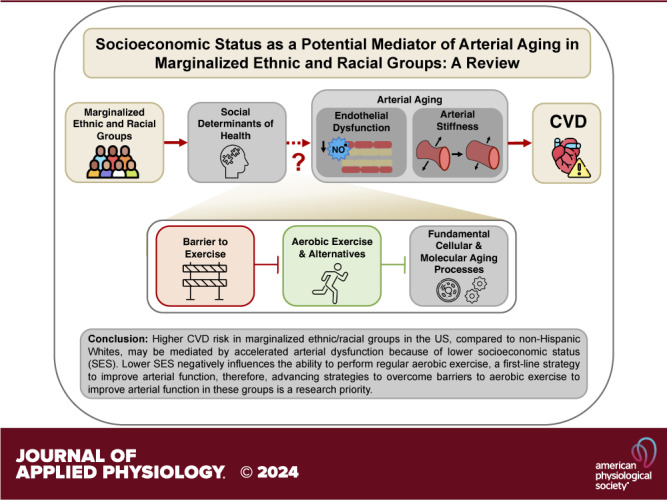
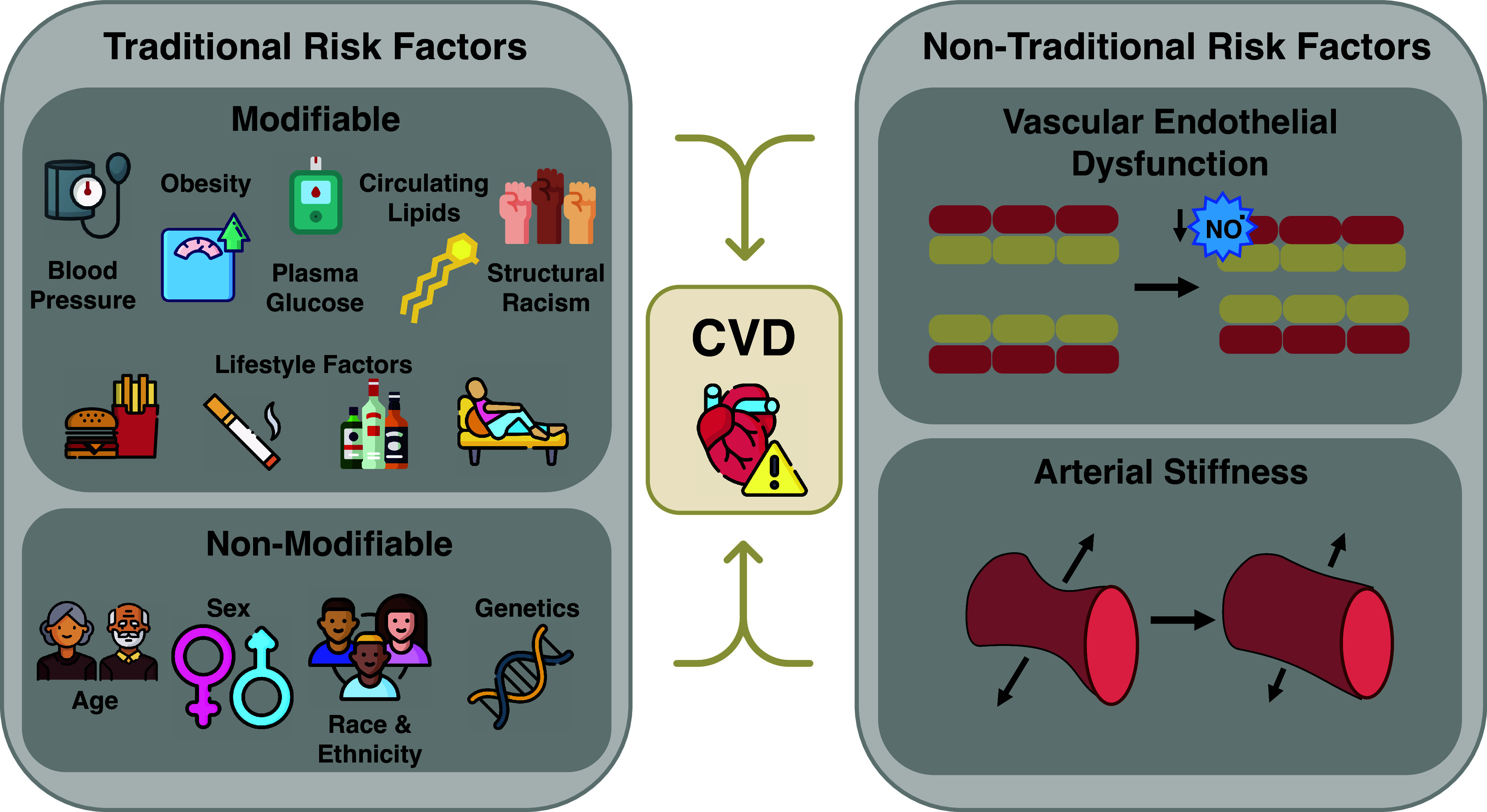
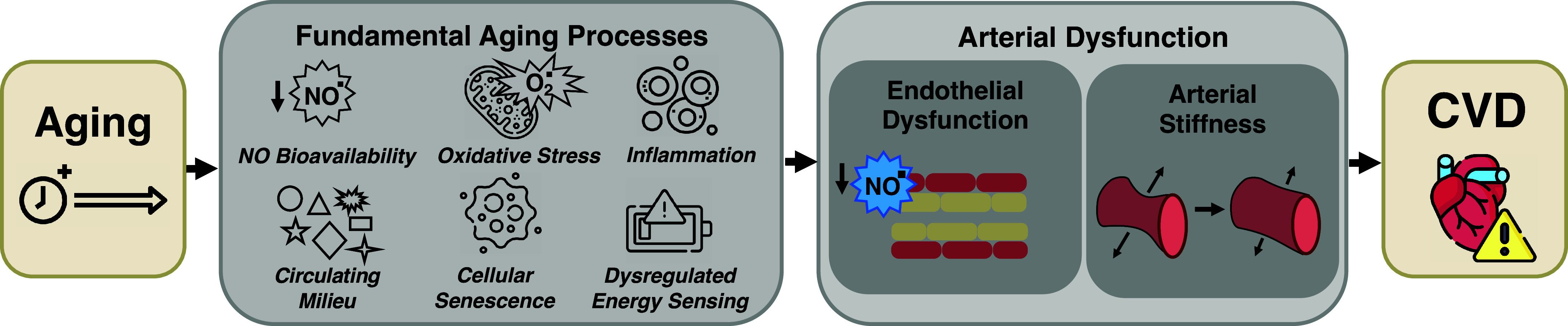
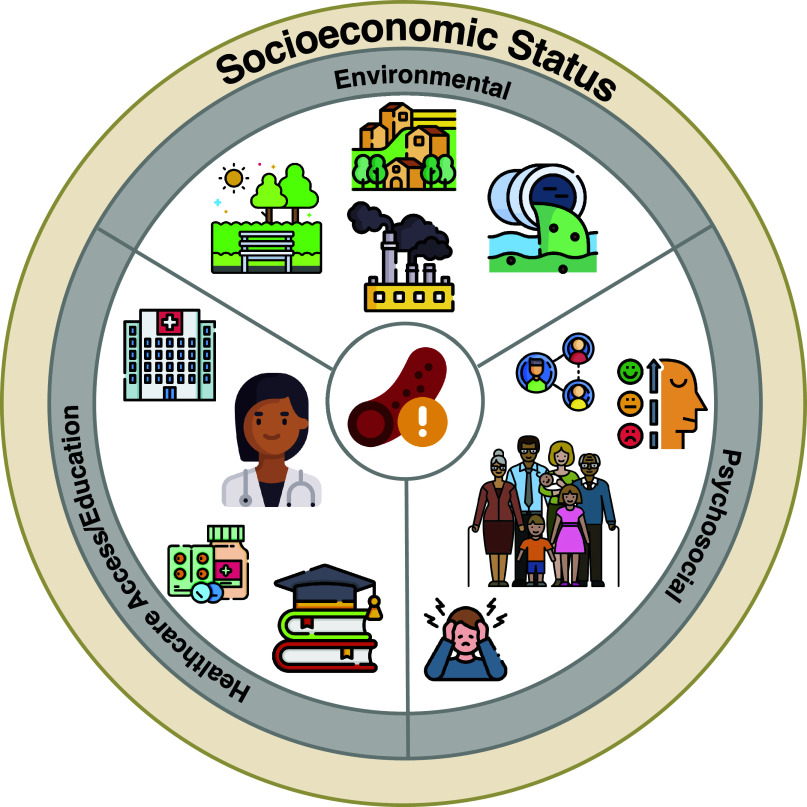
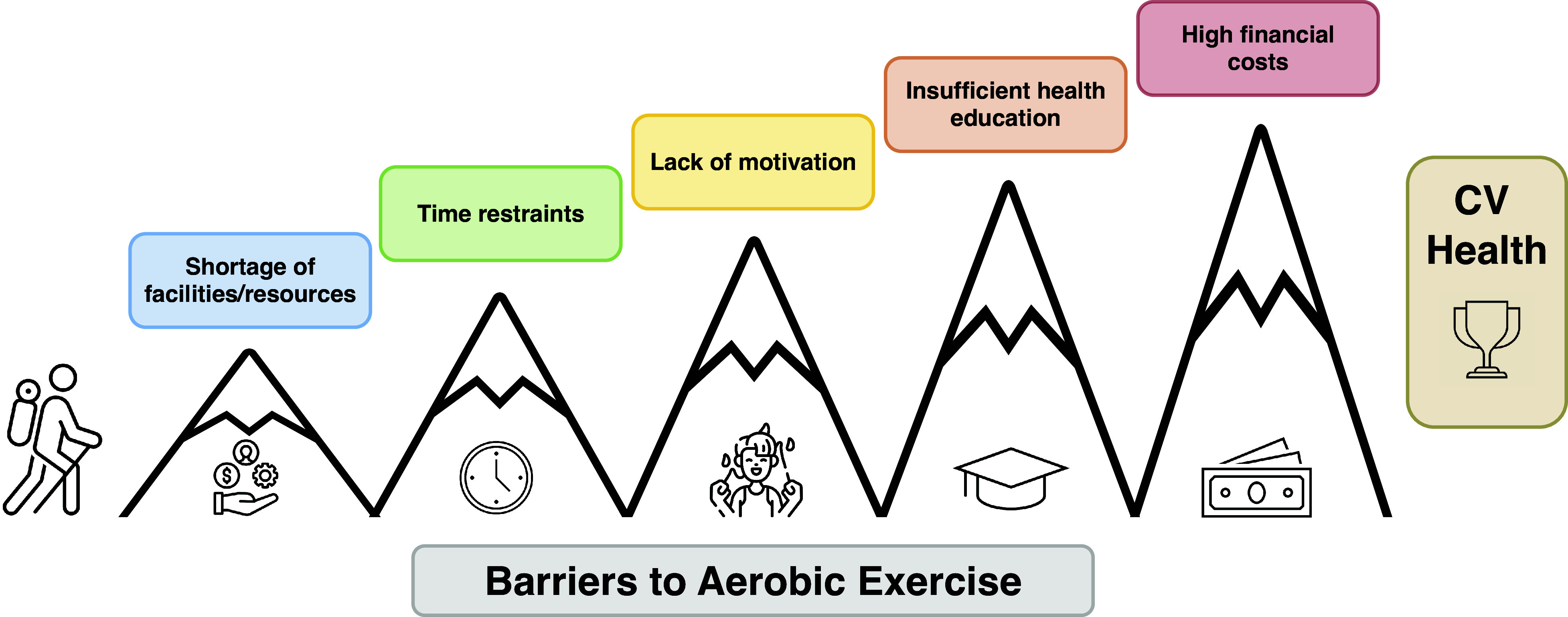
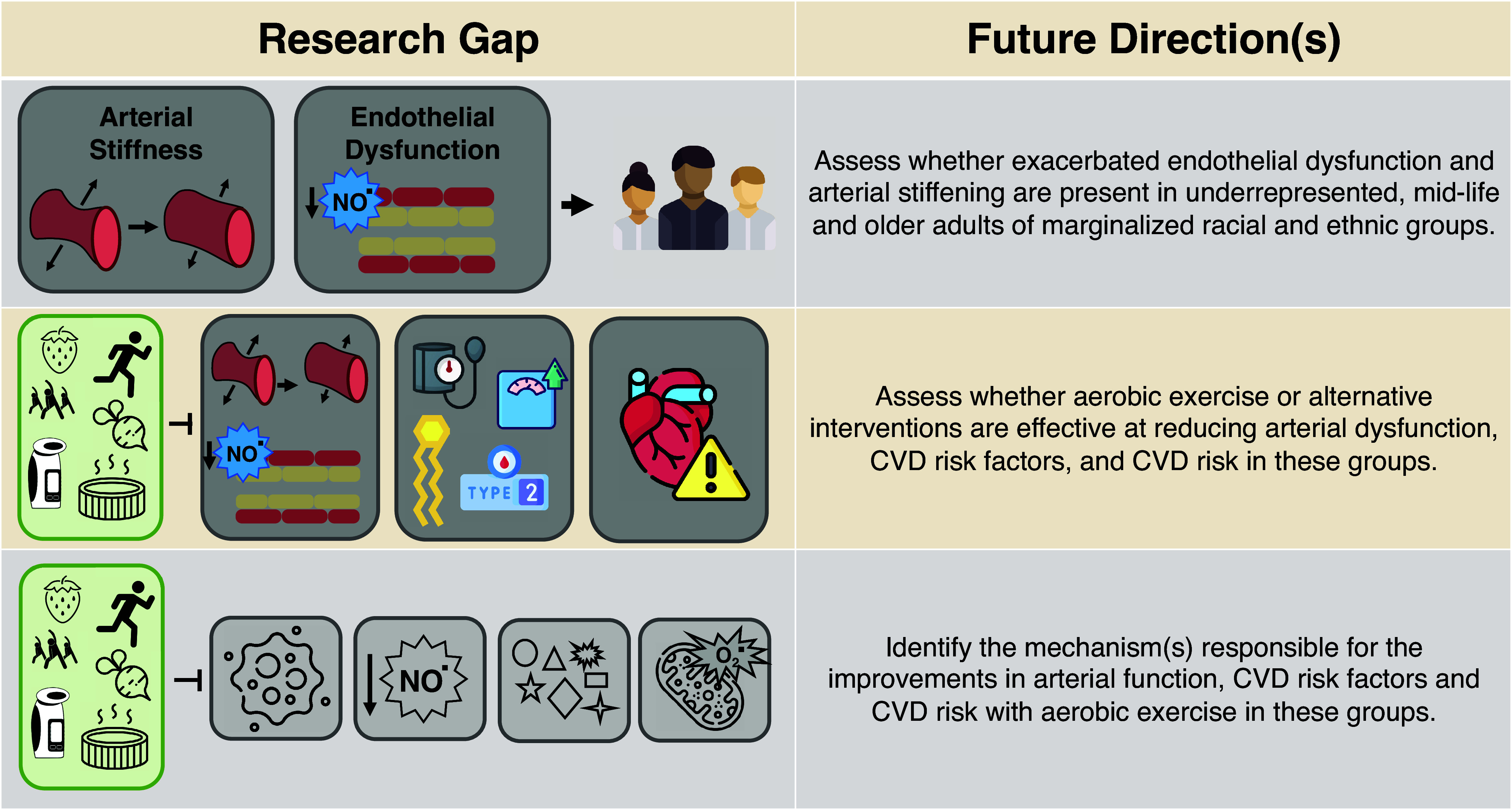
Cardiovascular diseases (CVDs) are the leading cause of death in the United States. However, disparities in CVD-related morbidity and mortality exist as marginalized racial and ethnic groups are generally at higher risk for CVDs (Black Americans, Indigenous People, South and Southeast Asians, Native Hawaiians, and Pacific Islanders) and/or development of traditional CVD risk factors (groups above plus Hispanics/Latinos) relative to non-Hispanic Whites (NHW). In this comprehensive review, we outline emerging evidence suggesting these groups experience accelerated arterial dysfunction, including vascular endothelial dysfunction and large elastic artery stiffening, a nontraditional CVD risk factor that may predict risk of CVDs in these groups with advancing age. Adverse exposures to social determinants of health (SDOH), specifically lower socioeconomic status (SES), are exacerbated in most of these groups (except South Asians-higher SES) and may be a potential mediator of accelerated arterial aging. SES negatively influences the ability of marginalized racial and ethnic groups to meet aerobic exercise guidelines, the first-line strategy to improve arterial function, due to increased barriers, such as time and financial constraints, lack of motivation, facility access, and health education, to performing conventional aerobic exercise. Thus, identifying alternative interventions to conventional aerobic exercise that 1) overcome these common barriers and 2) target the biological mechanisms of aging to improve arterial function may be an effective, alternative method to aerobic exercise to ameliorate accelerated arterial aging and reduce CVD risk. Importantly, dedicated efforts are needed to assess these strategies in randomized-controlled clinical trials in these marginalized racial and ethnic groups.
Keywords: aerobic exercise; aging biology; disparities; social determinants; vascular function.
Conflict of interest statement
No conflicts of interests, financial or otherwise, are declared by the authors.
Figures

References
-
- Martin SS, Aday AW, Almarzooq ZI, Anderson CAM, Arora P, Avery CL , et al. 2024 Heart Disease and Stroke Statistics: a report of US and Global Data From the American Heart Association. Circulation 149: e347–e913, 2024. [Erratum in Circulation 149: e1164, 2024]. doi: 10.1161/CIR.0000000000001209. - DOI - PMC - PubMed
-
- Post WS, Watson KE, Hansen S, Folsom AR, Szklo M, Shea S, Barr RG, Burke G, Bertoni AG, Allen N, Pankow JS, Lima JAC, Rotter JI, Kaufman JD, Johnson WC, Kronmal RA, Diez-Roux AV, McClelland RL. Racial and ethnic differences in all-cause and cardiovascular disease mortality: the MESA Study. Circulation 146: 229–239, 2022. doi: 10.1161/CIRCULATIONAHA.122.059174. - DOI - PMC - PubMed
-
- Jensen E, Jones N, Rabe M, Pratt P, Medina L, Orozco K, Spell L. 2020. U.S. Population More Racially and Ethnically Diverse than Measured in 2010 (Online). United States Census Bureau. https://www.census.gov/library/stories/2021/08/2020-united-states-popula... [2023 Sep 8].
-
- Pollard K. Faster growth, more diversity in U.S. projections. Popul Today 21: 3, 10, 1993. - PubMed
-
- Pratt A, Fowler T. Deconstructing Bias: Marginalization. Bethesda, MD: Eunice Kennedy Shriver National Institute of Child Health and Human Development, 2023.
Publication types
MeSH terms
Grants and funding
LinkOut - more resources
Full Text Sources
Medical
