


The short-chain fatty acid propionate prevents ox-LDL-induced coronary microvascular dysfunction by alleviating endoplasmic reticulum stress in HCMECs
- PMID: 38814895
- PMCID: PMC11139260
- DOI: 10.1371/journal.pone.0304551
The short-chain fatty acid propionate prevents ox-LDL-induced coronary microvascular dysfunction by alleviating endoplasmic reticulum stress in HCMECs
Abstract
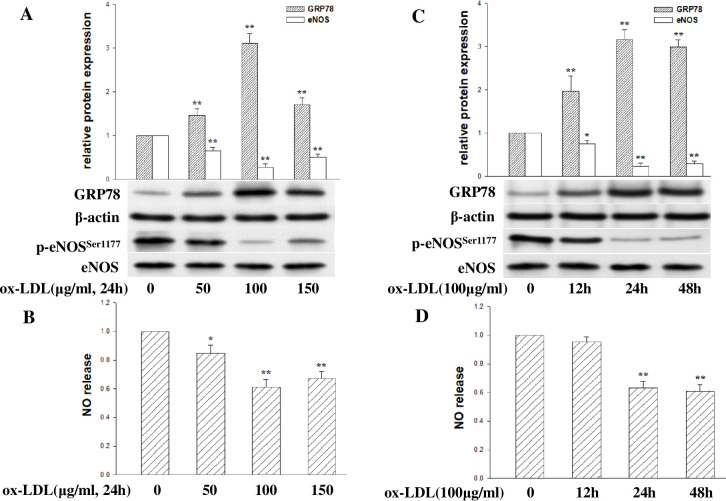
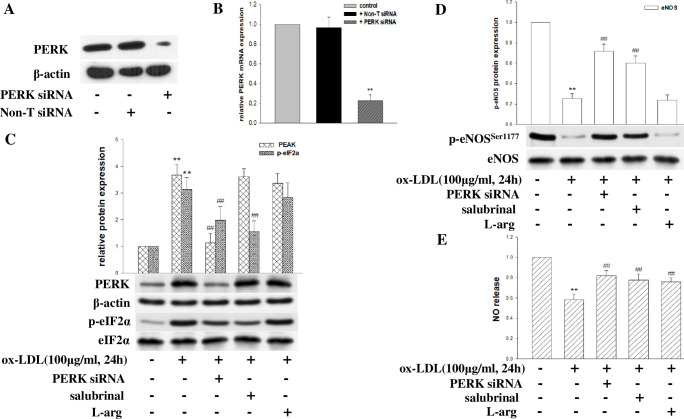
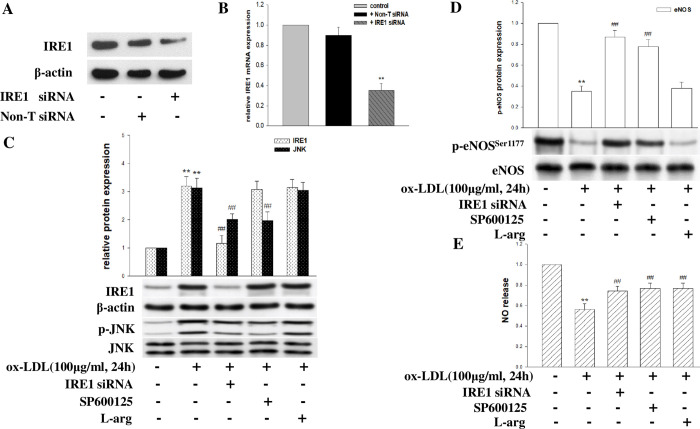
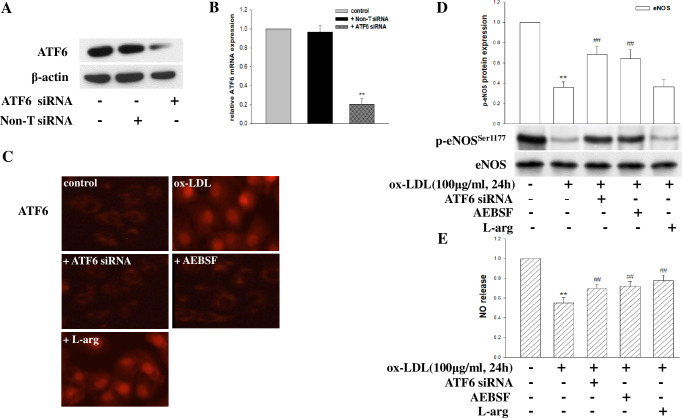
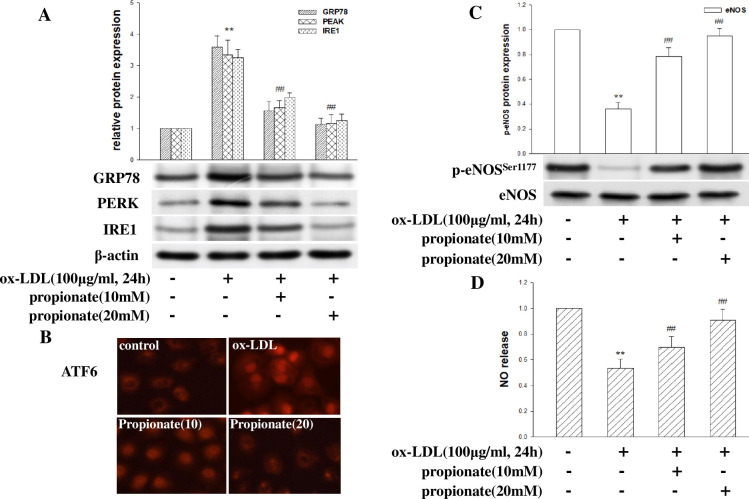
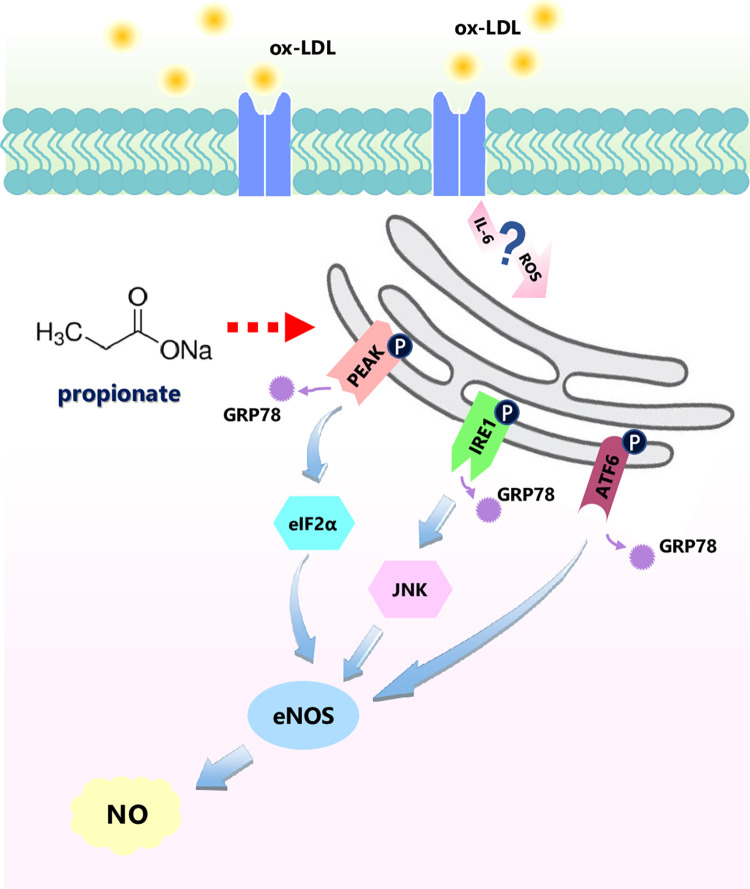
Coronary microvascular dysfunction (CMD) is a critical pathogenesis of cardiovascular diseases. Lower endothelial nitric oxide synthase (eNOS) phosphorylation leads to reduced endothelium-derived relaxing factor nitric oxide (NO) generation, causing and accelerating CMD. Endoplasmic reticulum stress (ER stress) has been shown to reduce NO production in umbilical vein endothelial cells. Oxidized low-density lipoprotein (ox-LDL) damages endothelial cell function. However, the relationship between ox-LDL and coronary microcirculation has yet to be assessed. Short-chain fatty acid (SCFA), a fermentation product of the gut microbiome, could improve endothelial-dependent vasodilation in human adipose arterioles, but the effect of SCFA on coronary microcirculation is unclear. In this study, we found ox-LDL stimulated expression of ER chaperone GRP78. Further, we activated downstream PERK/eIF2a, IRE1/JNK, and ATF6 signaling pathways, decreasing eNOS phosphorylation and NO production in human cardiac microvascular endothelial. Furthermore, SCFA-propionate can inhibit ox-LDL-induced eNOS phosphorylation reduction and raise NO production; the mechanism is related to the inhibition of ER stress and downstream signaling pathways PERK/eIF2a, IRE1/JNK, and ATF6. In summary, we demonstrate that ox-LDL induced CMD by activating ER stress, propionate can effectively counteract the adverse effects of ox-LDL and protect coronary microcirculation function via inhibiting ER stress.
Copyright: © 2024 Hong et al. This is an open access article distributed under the terms of the Creative Commons Attribution License, which permits unrestricted use, distribution, and reproduction in any medium, provided the original author and source are credited.
Conflict of interest statement
The authors have declared that no competing interests exist.
Figures
References
MeSH terms
Substances
LinkOut - more resources
Full Text Sources
Research Materials
Miscellaneous
