


Strength of selection in lung tumors correlates with clinical features better than tumor mutation burden
- PMID: 38831004
- PMCID: PMC11148192
- DOI: 10.1038/s41598-024-63468-z
Strength of selection in lung tumors correlates with clinical features better than tumor mutation burden
Abstract
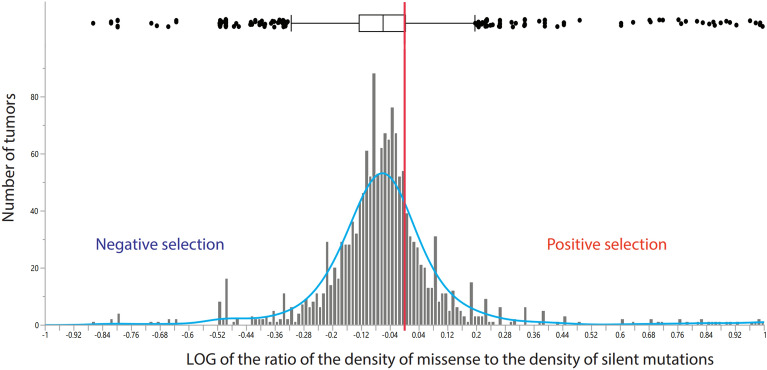
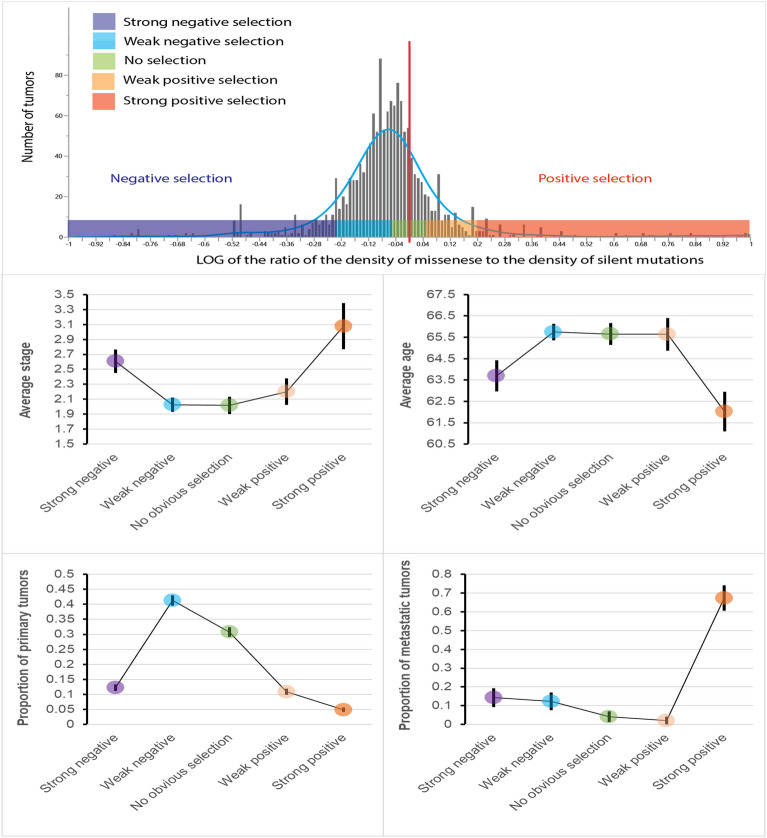
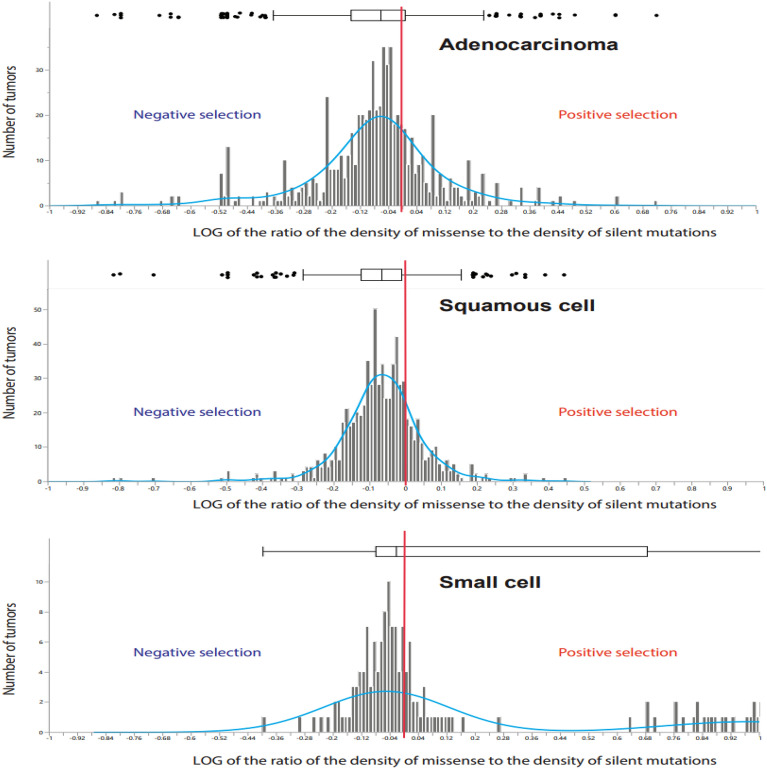
Single nucleotide substitutions are the most common type of somatic mutations in cancer genome. The goal of this study was to use publicly available somatic mutation data to quantify negative and positive selection in individual lung tumors and test how strength of directional and absolute selection is associated with clinical features. The analysis found a significant variation in strength of selection (both negative and positive) among tumors, with median selection tending to be negative even though tumors with strong positive selection also exist. Strength of selection estimated as the density of missense mutations relative to the density of silent mutations showed only a weak correlation with tumor mutation burden. In the "all histology together" analysis we found that absolute strength of selection was strongly correlated with all clinically relevant features analyzed. In histology-stratified analysis selection was strongest in small cell lung cancer. Selection in adenocarcinoma was somewhat higher compared to squamous cell carcinoma. The study suggests that somatic mutation- based quantifying of directional and absolute selection in individual tumors can be a useful biomarker of tumor aggressiveness.
© 2024. The Author(s).
Conflict of interest statement
The authors declare no competing interests.
Figures
References
MeSH terms
Substances
Grants and funding
LinkOut - more resources
Full Text Sources
Medical
