


Interventions to increase vaccination in vulnerable groups: rapid overview of reviews
- PMID: 38831275
- PMCID: PMC11145854
- DOI: 10.1186/s12889-024-18713-5
Interventions to increase vaccination in vulnerable groups: rapid overview of reviews
Abstract
Objective: Groups which are marginalised, disadvantaged or otherwise vulnerable have lower uptake of vaccinations. This differential has been amplified in COVID-19 vaccination compared to (e.g.) influenza vaccination. This overview assessed the effectiveness of interventions to increase vaccination in underserved, minority or vulnerable groups.
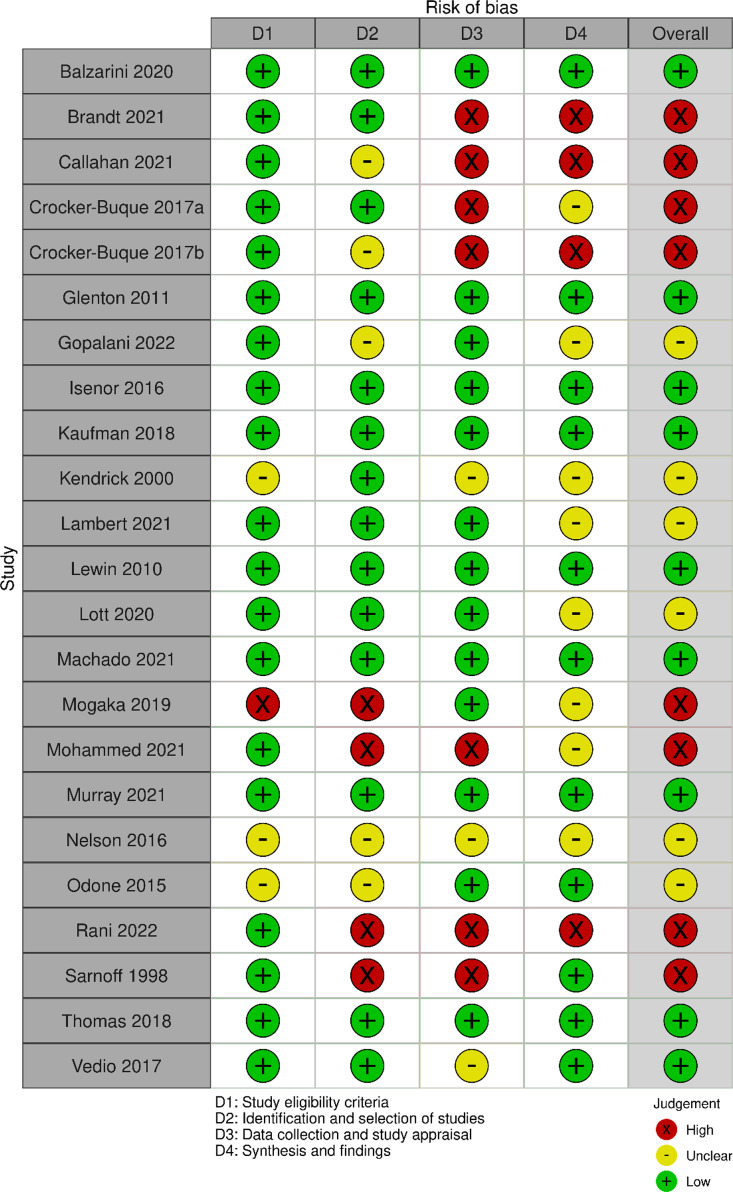
Methods: In November 2022 we searched four databases for systematic reviews that included RCTs evaluating any intervention to increase vaccination in underserved, minority or vulnerable groups; our primary outcome was vaccination. We used rapid review methods to screen, extract data and assess risk of bias in identified reviews. We undertook narrative synthesis using an approach modified from SWiM guidance. We categorised interventions as being high, medium or low intensity, and as targeting vaccine demand, access, or providers.
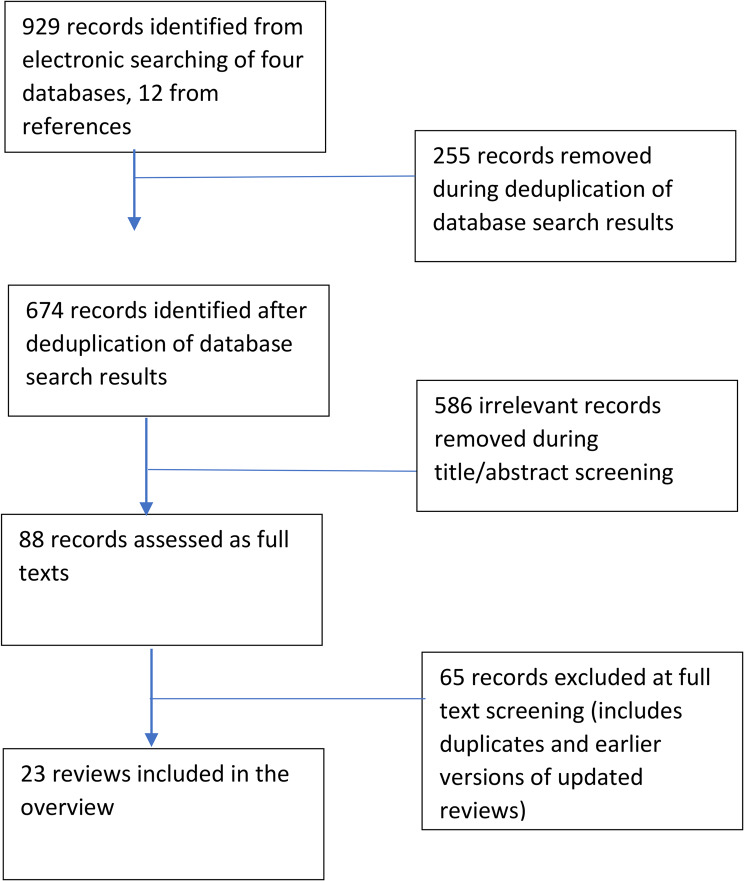
Results: We included 23 systematic reviews, including studies in high and low or middle income countries, focused on children, adolescents and adults. Groups were vulnerable based on socioeconomic status, minority ethnicity, migrant/refugee status, age, location or LGBTQ identity. Pregnancy/maternity sometimes intersected with vulnerabilities. Evidence supported interventions including: home visits to communicate/educate and to vaccinate, and facilitator visits to practices (high intensity); telephone calls to communicate/educate, remind/book appointments (medium intensity); letters, postcards or text messages to communicate/educate, remind/book appointments and reminder/recall interventions for practices (low intensity). Many studies used multiple interventions or components.
Conclusion: There was considerable evidence supporting the effectiveness of communication in person, by phone or in writing to increase vaccination. Both high and low intensity interventions targeting providers showed effectiveness. Limited evidence assessed additional clinics or targeted services for increasing access; only home visits had higher confidence evidence showing effectiveness. There was no evidence for interventions for some communities, such as religious minorities which may intersect with gaps in evidence for additional services. None of the evidence related to COVID-19 vaccination where inequalities of outcome are exacerbated.
Prospero registration: CRD42021293355.
Keywords: Inequity; Intervention; Minorities; Systematic review; Vaccination; Vulnerable groups.
© 2024. The Author(s).
Conflict of interest statement
The authors declare no competing interests.
Figures

References
-
- Disparities in the risk and outcomes of COVID-19. 2020, Public Health England: https://assets.publishing.service.gov.uk/government/uploads/system/uploa....
-
- Norman G, Kletter M, Dumville J. CRD42021293355. Rapid review of reviews of interventions for vaccine hesitancy in underserved, minority or vulnerable groups. 2021.
Publication types
MeSH terms
Substances
Grants and funding
- NIHR200174/National Institute for Health and Care Research Applied Research Collaboration Greater Manchester
- NIHR200174/National Institute for Health and Care Research Applied Research Collaboration Greater Manchester
- NIHR200174/National Institute for Health and Care Research Applied Research Collaboration Greater Manchester
LinkOut - more resources
Full Text Sources
Medical
