


Physicochemistry, Nutritional, and Therapeutic Potential of Ficus carica - A Promising Nutraceutical
- PMID: 38831870
- PMCID: PMC11146627
- DOI: 10.2147/DDDT.S436446
Physicochemistry, Nutritional, and Therapeutic Potential of Ficus carica - A Promising Nutraceutical
Abstract
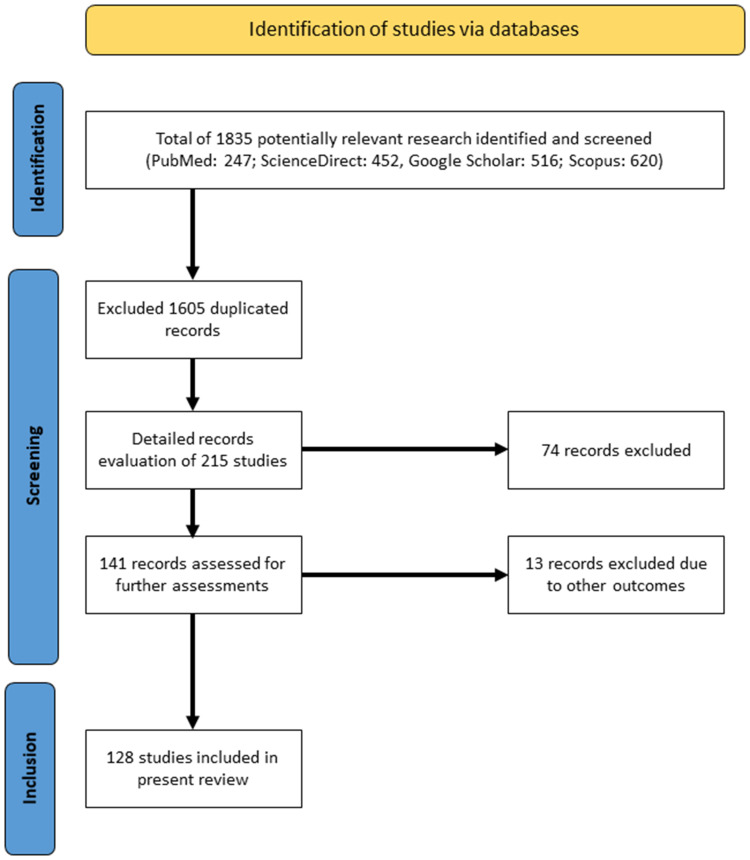
In an era where synthetic supplements have raised concerns regarding their effects on human health, Ficus carica has emerged as a natural alternative rich in polyphenolic compounds with potent therapeutic properties. Various studies on F. carica focusing on the analysis and validation of its pharmacological and nutritional properties are emerging. This paper summarizes present data and information on the phytochemical, nutritional values, therapeutic potential, as well as the toxicity profile of F. carica. An extensive search was conducted from various databases, including PubMed, ScienceDirect, Scopus, and Google Scholar. A total of 126 studies and articles related to F. carica that were published between 1999 and 2023 were included in this review. Remarkably, F. carica exhibits a diverse array of advantageous effects, including, but not limited to, antioxidant, anti-neurodegenerative, antimicrobial, antiviral, anti-inflammatory, anti-arthritic, antiepileptic, anticonvulsant, anti-hyperlipidemic, anti-angiogenic, antidiabetic, anti-cancer, and antimutagenic properties. Among the highlights include that antioxidants from F. carica were demonstrated to inhibit cholinesterase, potentially protecting neurons in Alzheimer's disease and other neurodegenerative conditions. The antimicrobial activities of F. carica were attributed to its high flavonoids and terpenoids content, while its virucidal action through the inhibition of DNA and RNA replication was postulated due to its triterpenes content. Inflammatory and arthritic conditions may also benefit from its anti-inflammatory and anti-arthritic properties through the modulation of various signalling proteins. Studies have also shown that F. carica extracts were generally safe and exhibit low toxicity profile, although more research in this aspect is required, specifically its effects on the skin. In conclusion, this study highlights the potential of F. carica as a valuable natural therapeutic agent and dietary supplement. However, continued exploration on F. carica's safety and efficacy is still required prior to embarking on clinical trials, as its role in personalized nutrition and medication will open a new paradigm to improve health outcomes.
Keywords: antioxidant; dietary supplement; fig; natural compound; phytochemical.
© 2024 Fazel et al.
Conflict of interest statement
The authors report no conflicts of interest in this work.
Figures



References
-
- Costa JLG, Pedreira RS, Gomes ACP, Restan AZ, Vasconcellos RS, Loureiro BA. Concentration of synthetic antioxidants and peroxide value of commercial dry pet foods. Anim Feed Sci Technol. 2022;294:115499. doi:10.1016/j.anifeedsci.2022.115499 - DOI
Publication types
MeSH terms
Substances
LinkOut - more resources
Full Text Sources
Medical
