


Impaired cathepsin D in retinal pigment epithelium cells mediates Stargardt disease pathogenesis
- PMID: 38837708
- PMCID: PMC11296957
- DOI: 10.1096/fj.202400210RR
Impaired cathepsin D in retinal pigment epithelium cells mediates Stargardt disease pathogenesis
Abstract
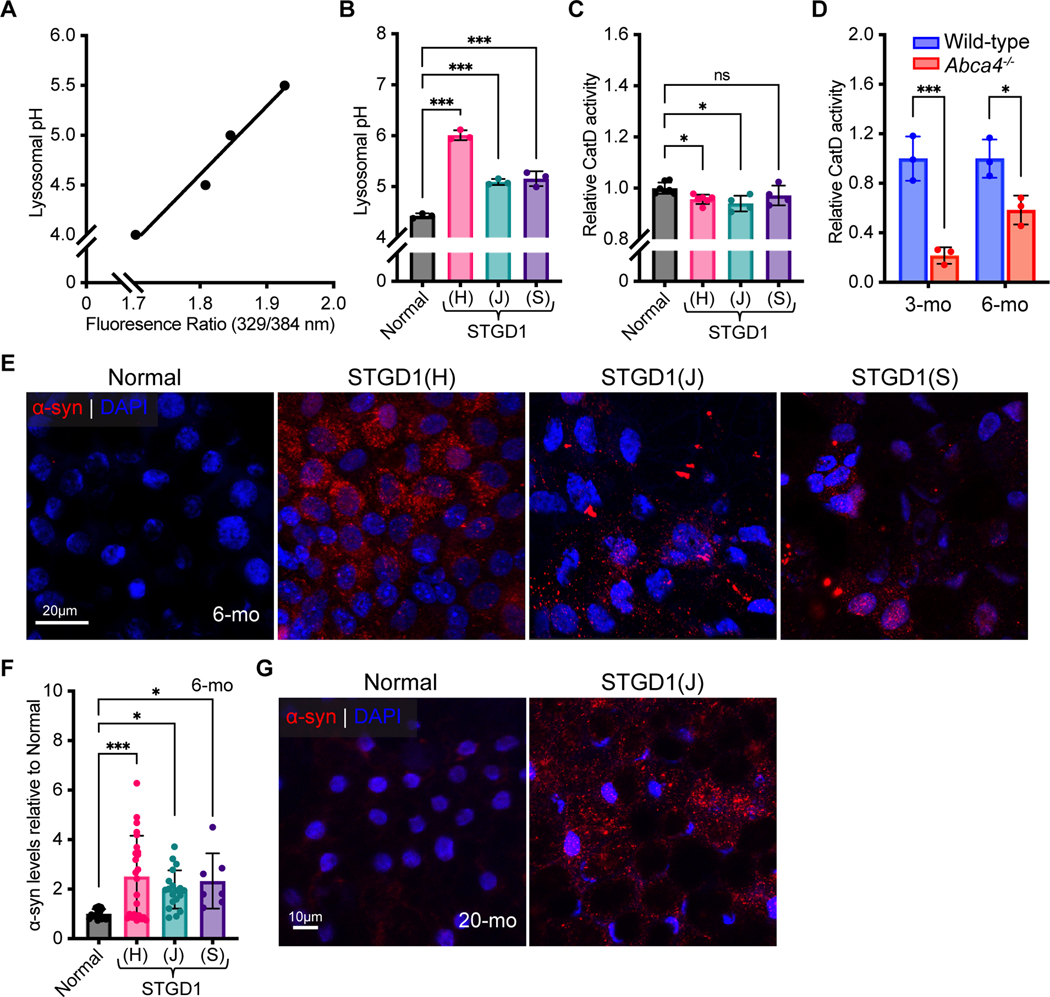
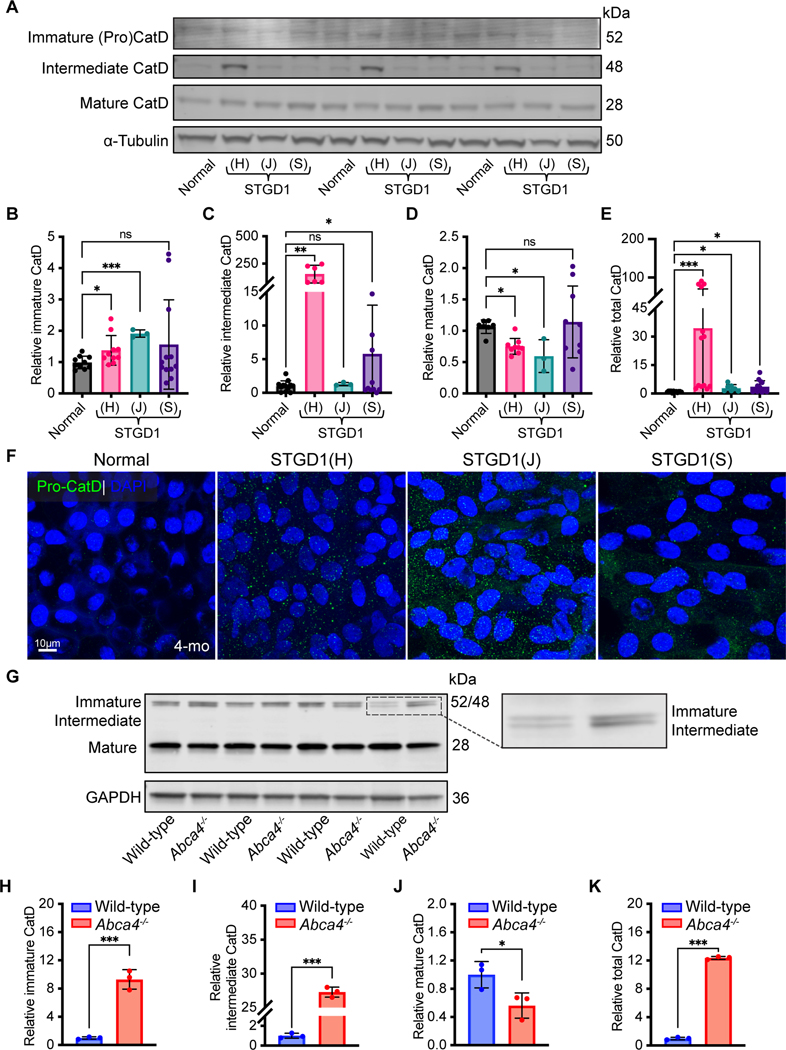
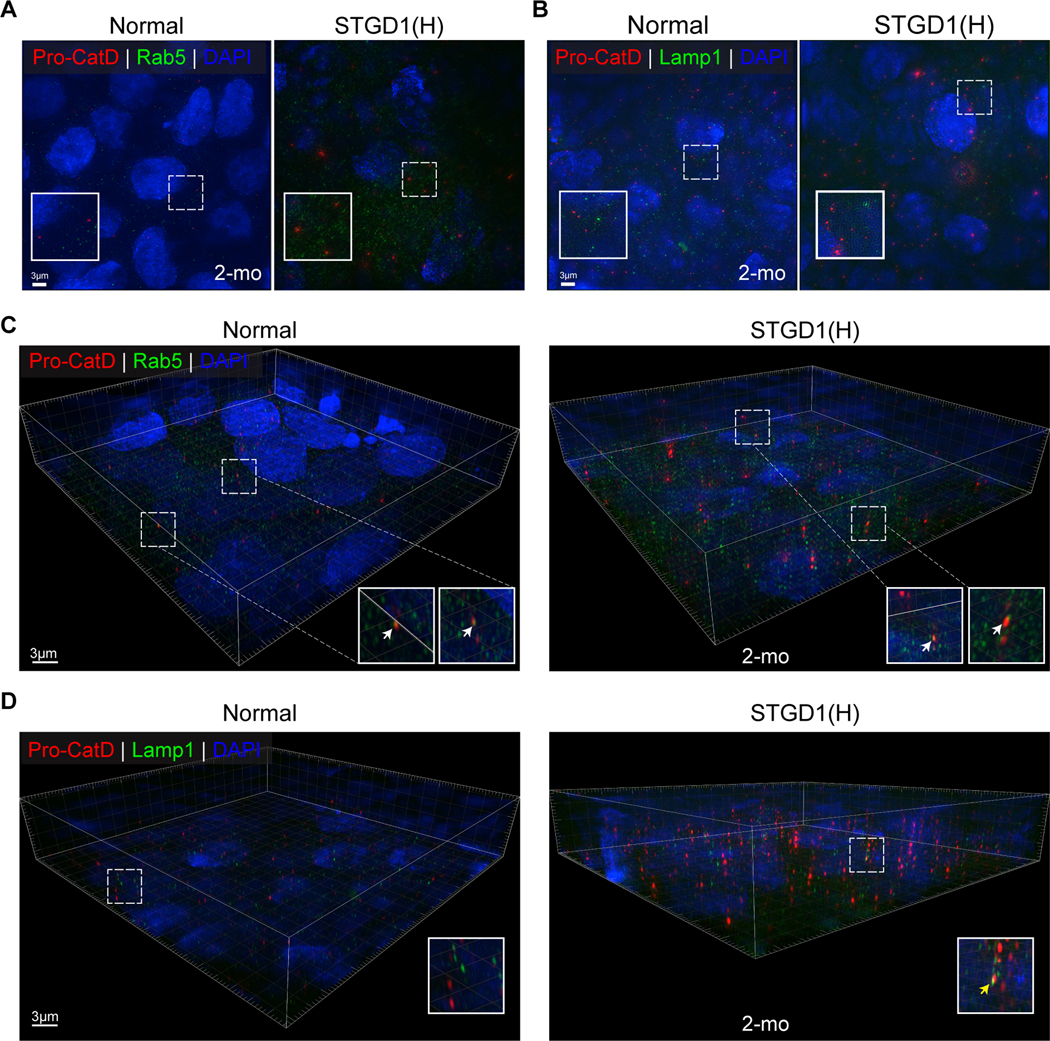
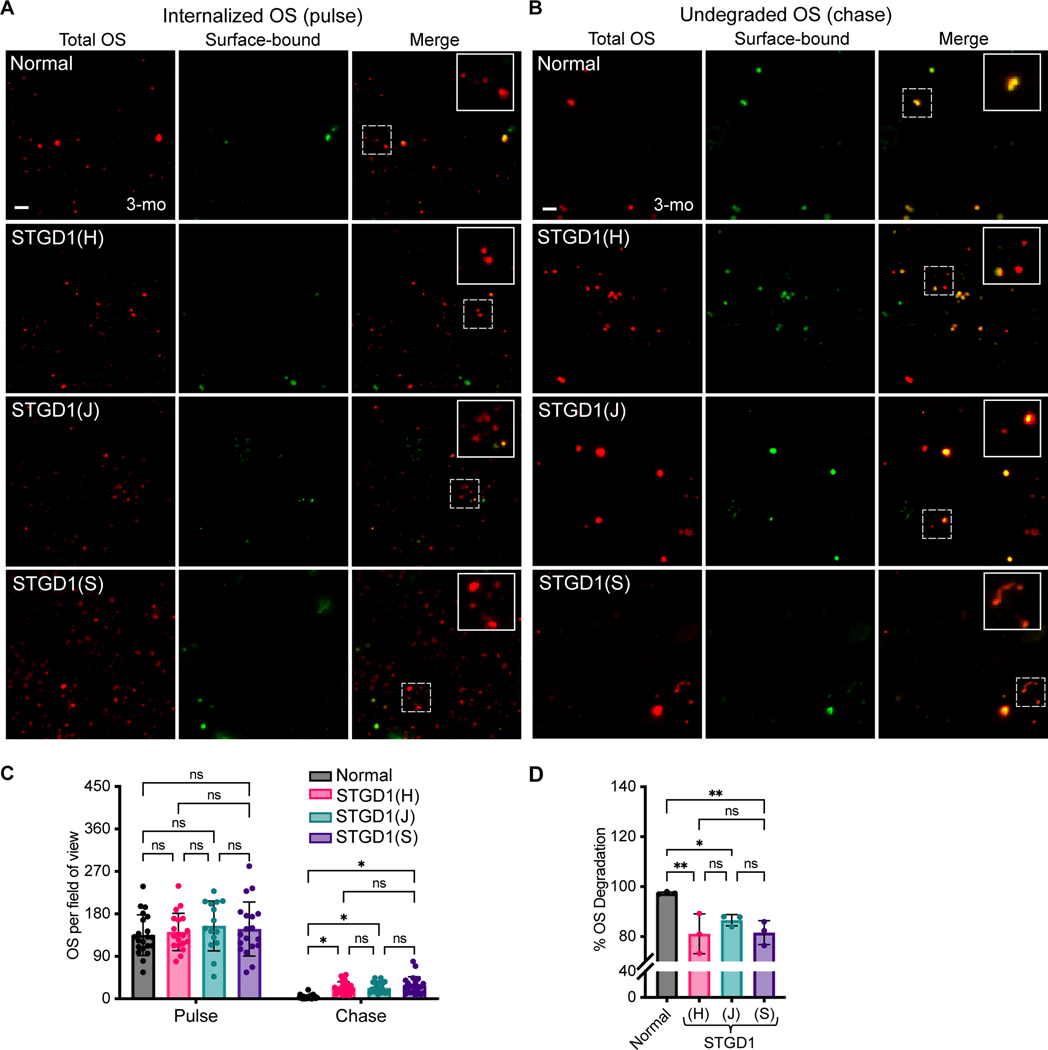
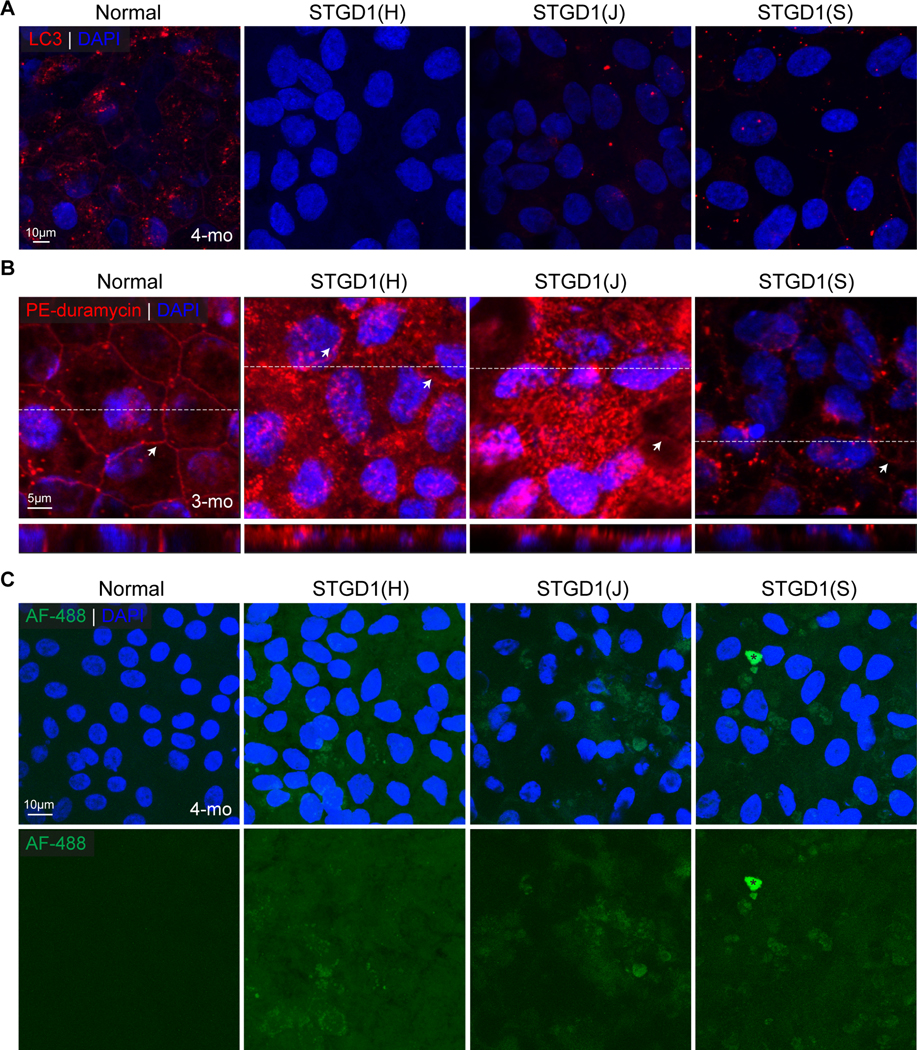
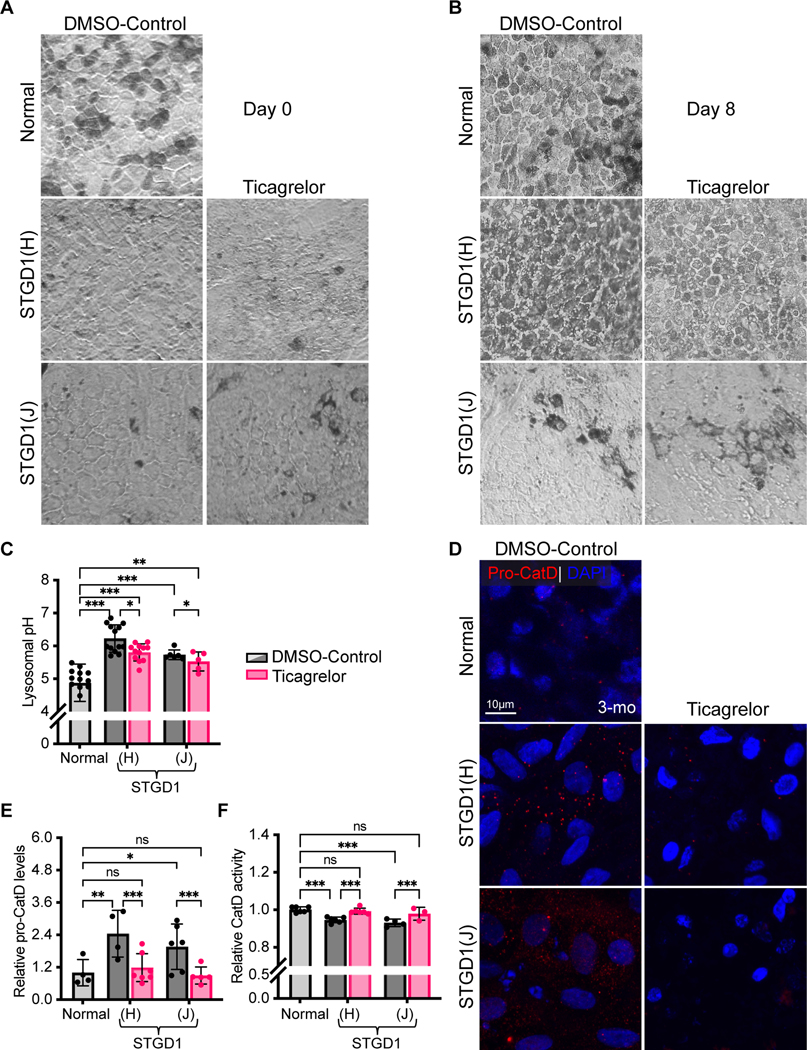
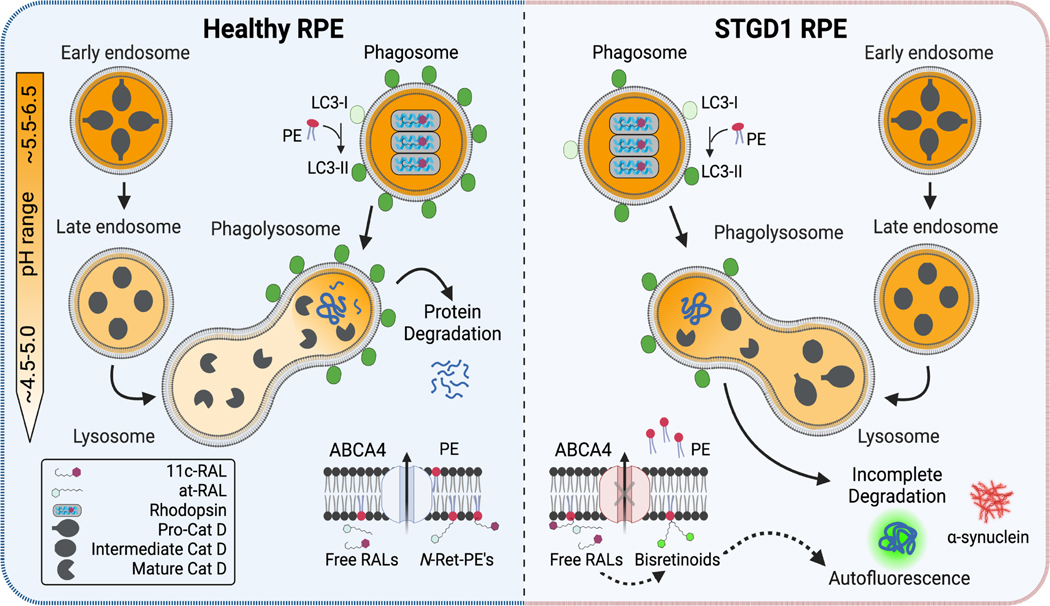
Recessive Stargardt disease (STGD1) is an inherited juvenile maculopathy caused by mutations in the ABCA4 gene, for which there is no suitable treatment. Loss of functional ABCA4 in the retinal pigment epithelium (RPE) alone, without contribution from photoreceptor cells, was shown to induce STGD1 pathology. Here, we identified cathepsin D (CatD), the primary RPE lysosomal protease, as a key molecular player contributing to endo-lysosomal dysfunction in STGD1 using a newly developed "disease-in-a-dish" RPE model from confirmed STGD1 patients. Induced pluripotent stem cell (iPSC)-derived RPE originating from three STGD1 patients exhibited elevated lysosomal pH, as previously reported in Abca4-/- mice. CatD protein maturation and activity were impaired in RPE from STGD1 patients and Abca4-/- mice. Consequently, STGD1 RPE cells have reduced photoreceptor outer segment degradation and abnormal accumulation of α-synuclein, the natural substrate of CatD. Furthermore, dysfunctional ABCA4 in STGD1 RPE cells results in intracellular accumulation of autofluorescent material and phosphatidylethanolamine (PE). The altered distribution of PE associated with the internal membranes of STGD1 RPE cells presumably compromises LC3-associated phagocytosis, contributing to delayed endo-lysosomal degradation activity. Drug-mediated re-acidification of lysosomes in the RPE of STGD1 restores CatD functional activity and reduces the accumulation of immature CatD protein loads. This preclinical study validates the contribution of CatD deficiencies to STGD1 pathology and provides evidence for an efficacious therapeutic approach targeting RPE cells. Our findings support a cell-autonomous RPE-driven pathology, informing future research aimed at targeting RPE cells to treat ABCA4-mediated retinopathies.
Keywords: cathepsin D; endo‐lysosome; phagocytosis; phosphatidylethanolamine; recessive Stargardt disease; retinal pigment epithelium.
© 2024 The Author(s). The FASEB Journal published by Wiley Periodicals LLC on behalf of Federation of American Societies for Experimental Biology.
Conflict of interest statement
Conflict of Interest Statement
ESYN, JH, and ZJ declare no conflicts of interest. Unrelated to this study, RAR served as a Principal Investigator for Sponsor Initiated Research Programs for: Eudora Therapeutics Inc., Biogen Inc., and NightStar Therapeutics. RAR served as a consultant for Replay Holdings, LLC; Oak Bay Biosciences, LTD; and Alexion Pharmaceuticals, Inc.
Figures
References
-
- Briggs CE, Rucinski D, Rosenfeld PJ, Hirose T, Berson EL, Dryja TP. Mutations in ABCR (ABCA4) in patients with Stargardt macular degeneration or cone-rod degeneration. Investigative ophthalmology & visual science. Sep 2001;42(10):2229–36. - PubMed
MeSH terms
Substances
Grants and funding
- R01 EY025002/EY/NEI NIH HHS/United States
- Research to Prevent Blindness (RPB)
- P30 EY000331/EY/NEI NIH HHS/United States
- UC | UCLA | Eli and Edythe Broad Center of Regenerative Medicine and Stem Cell Research, University of California Los Angeles (Broad Stem Cell Research Center)
- EY025002/HHS | NIH | National Eye Institute (NEI)
LinkOut - more resources
Full Text Sources
Molecular Biology Databases
Miscellaneous
