


A meta-analysis of the association between inflammatory cytokine polymorphism and neonatal sepsis
- PMID: 38848433
- PMCID: PMC11161124
- DOI: 10.1371/journal.pone.0301859
A meta-analysis of the association between inflammatory cytokine polymorphism and neonatal sepsis
Abstract
Objective: The purpose of this study is to investigate the relationship between single nucleotide polymorphisms of inflammatory cytokines and neonatal sepsis through meta-analysis.
Methods: We collected research literature on the correlation between inflammatory cytokine polymorphisms and neonatal sepsis published before August 2023 through computer searches of databases such as PubMed, Embase, etc. The Stata 14.0 software was utilized for Meta-analysis. To assess heterogeneity, the chi-squared Q-test and I2 statistics were used. The Egger and Begg tests were conducted to determine the possibility of publication bias.
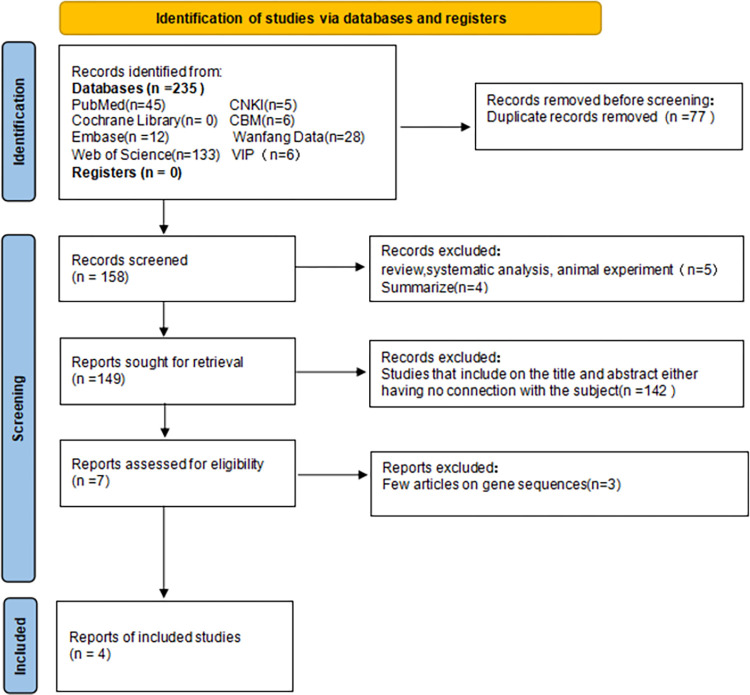
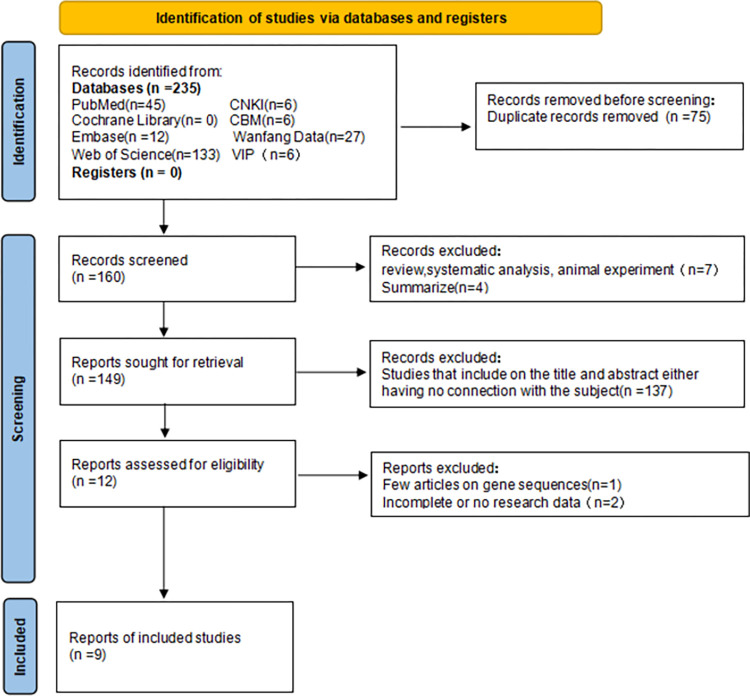
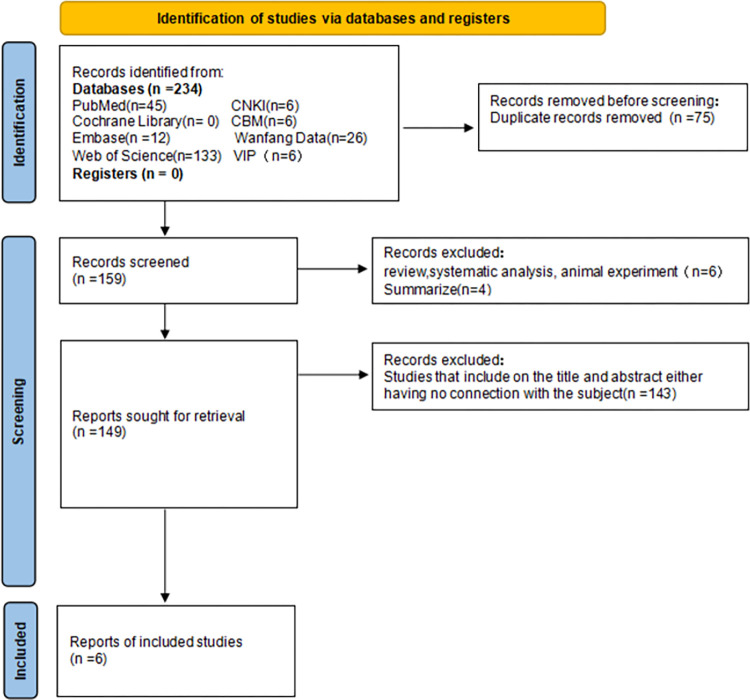
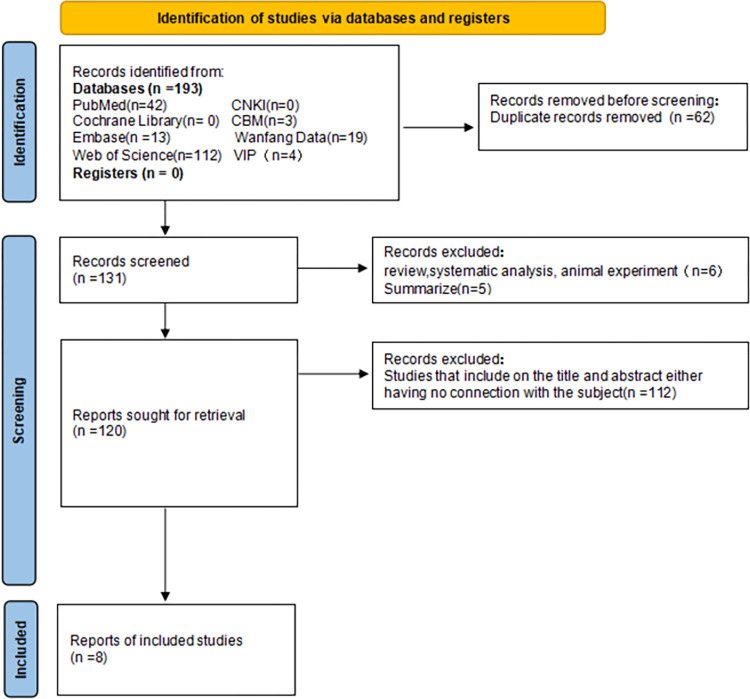
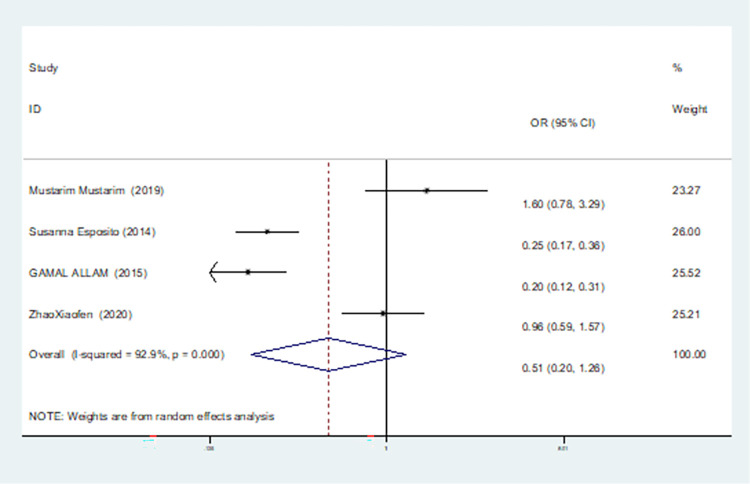
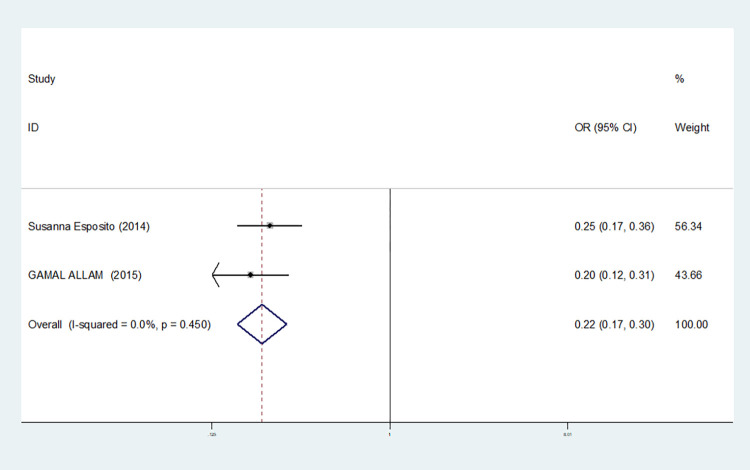
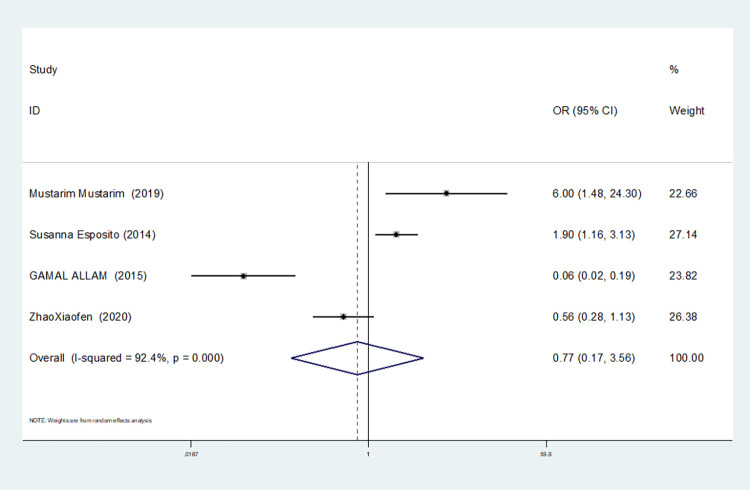
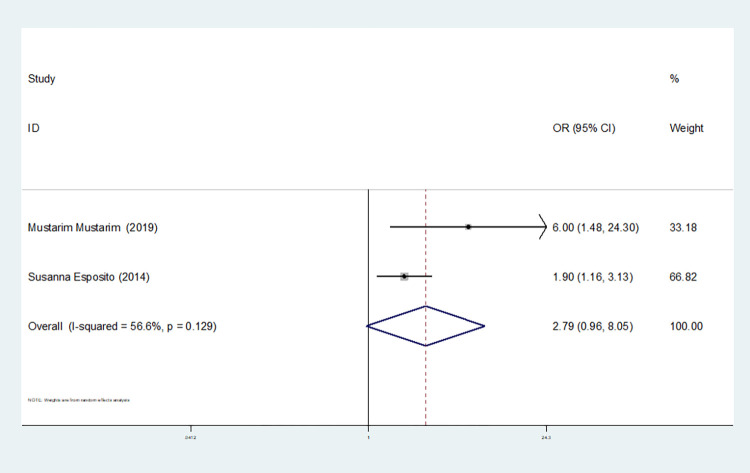
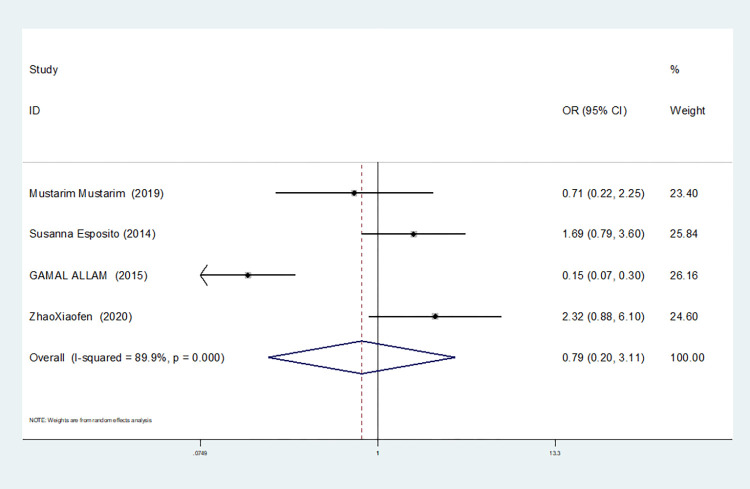
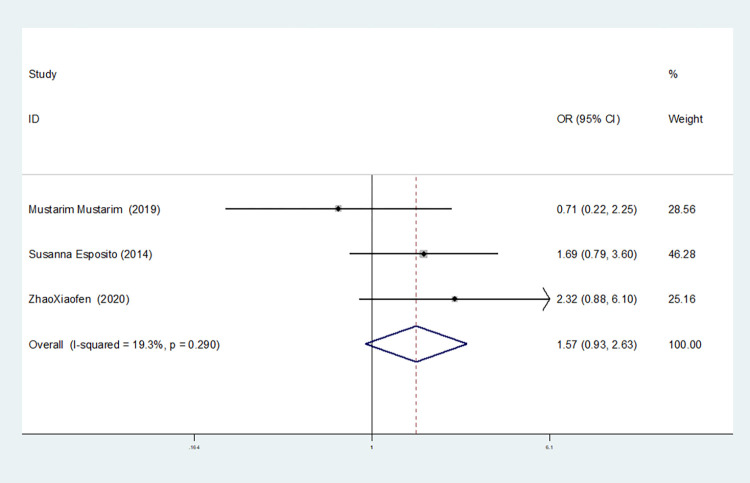
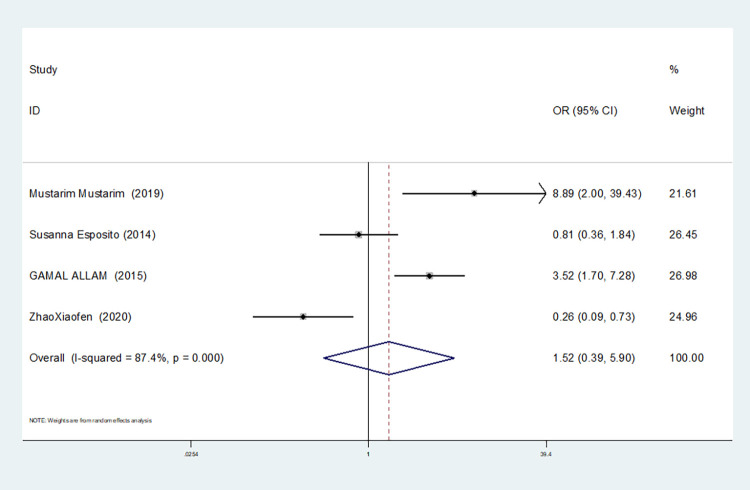
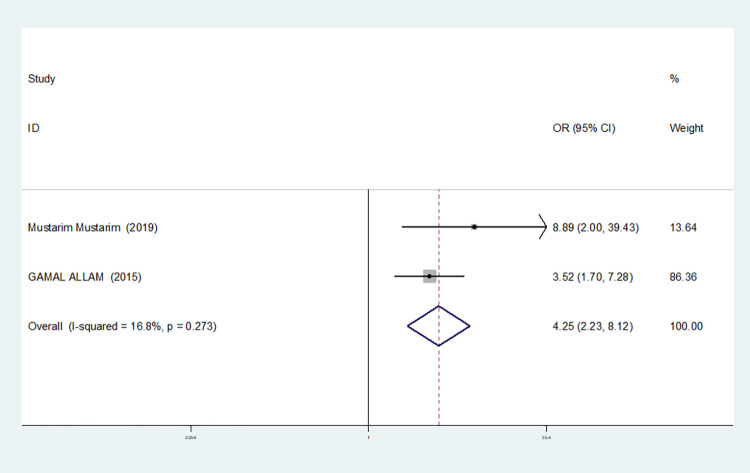
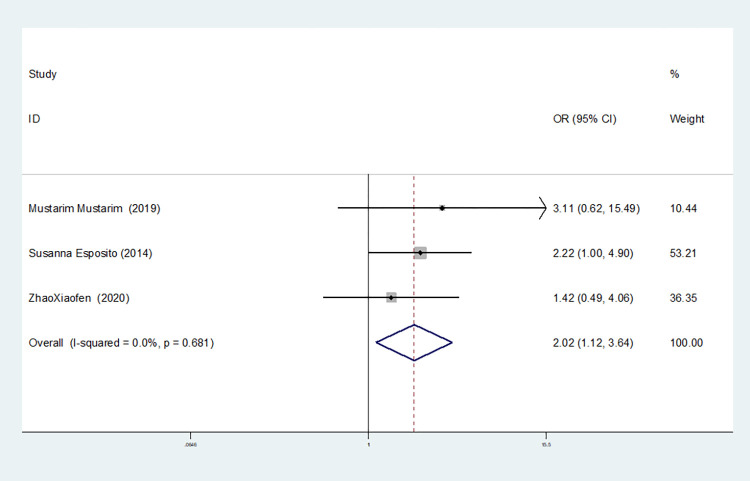
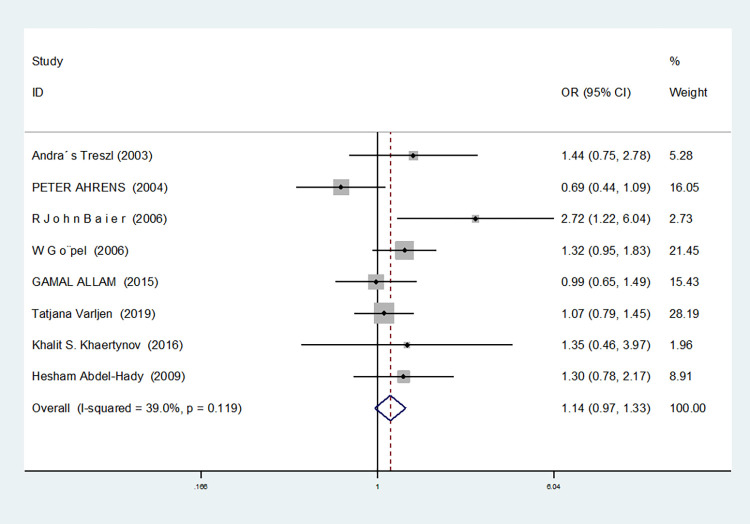
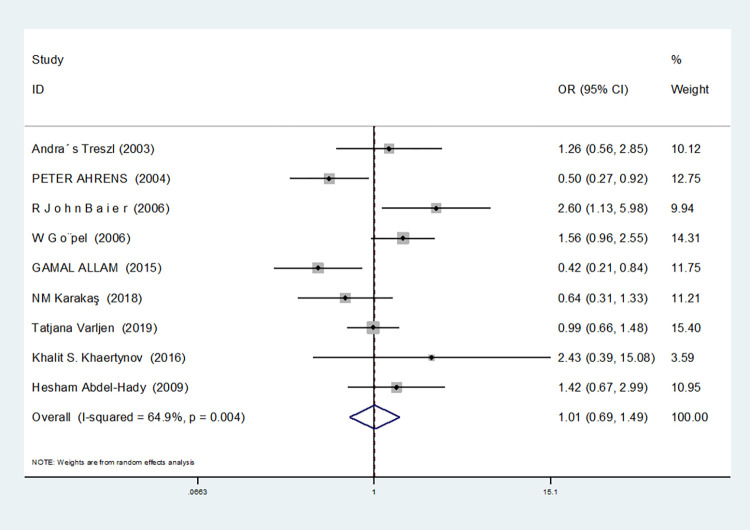
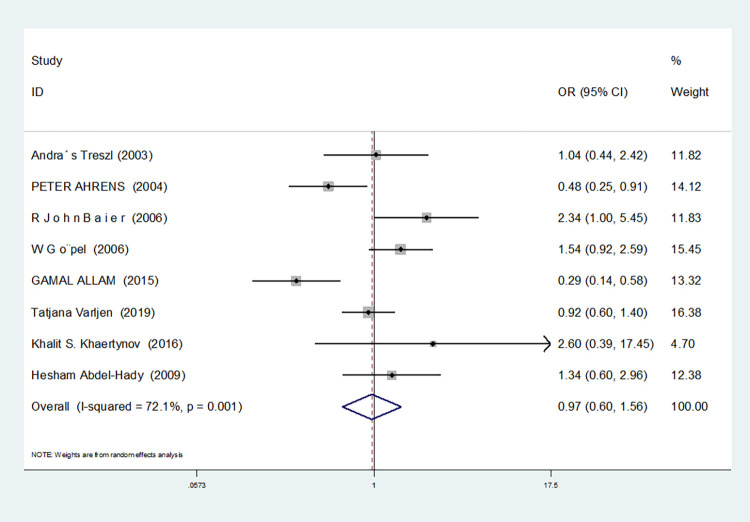
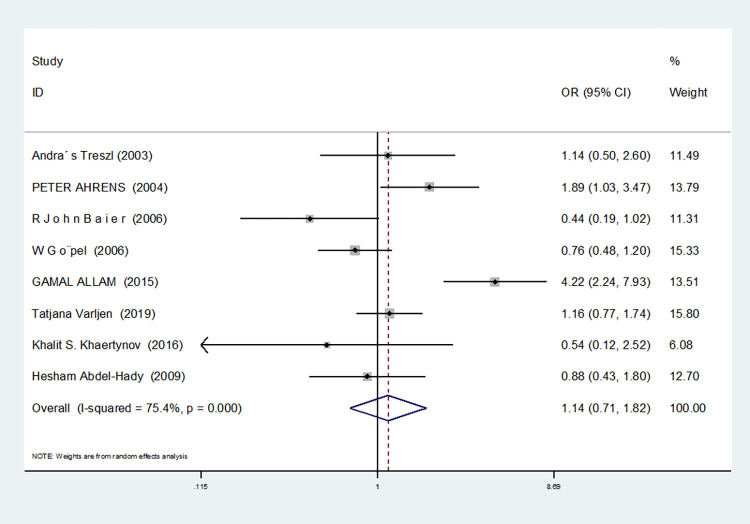
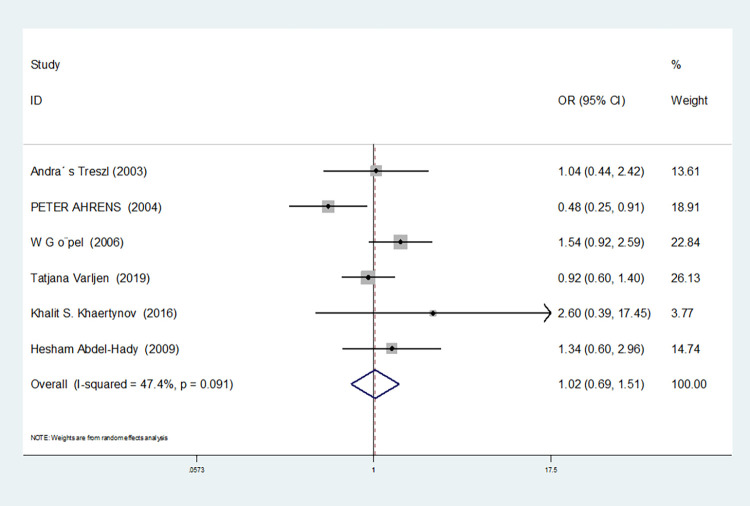
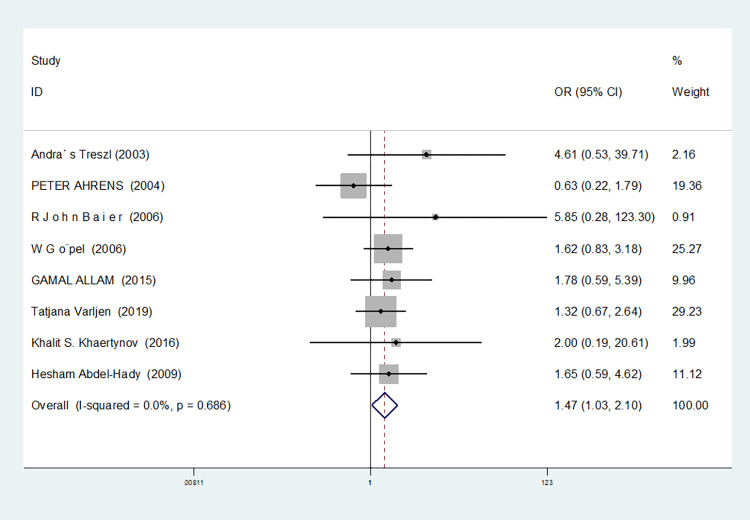
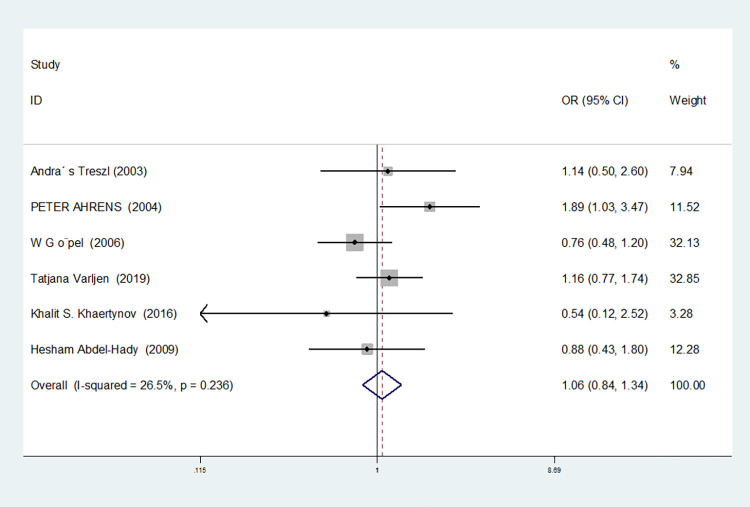
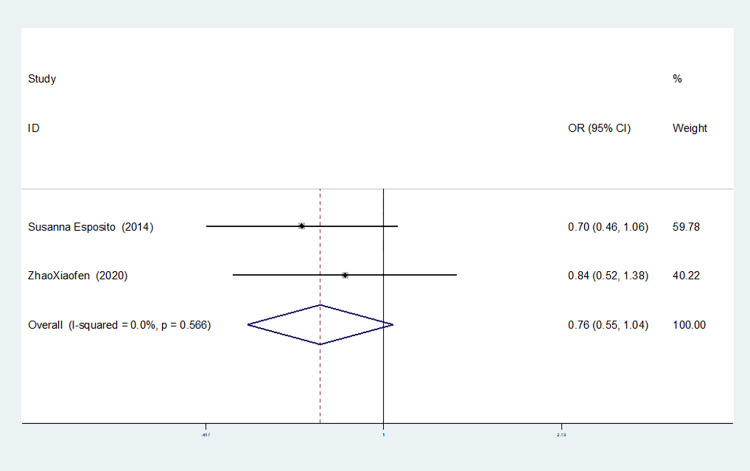
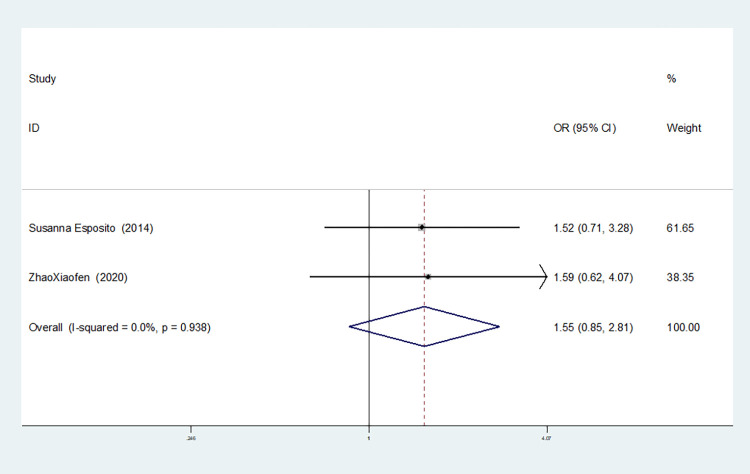
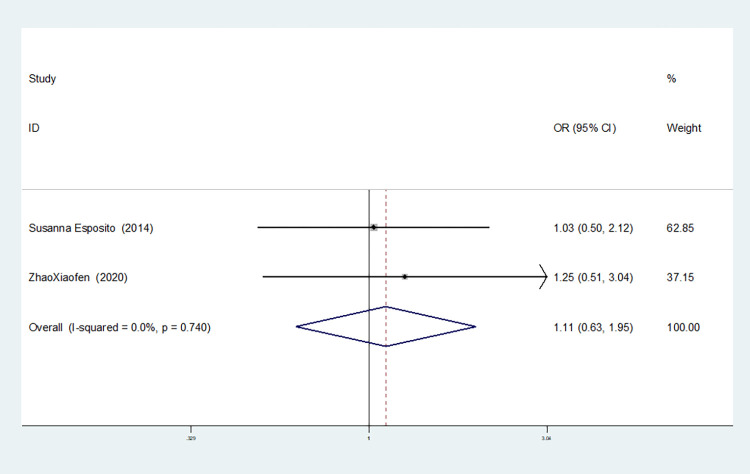
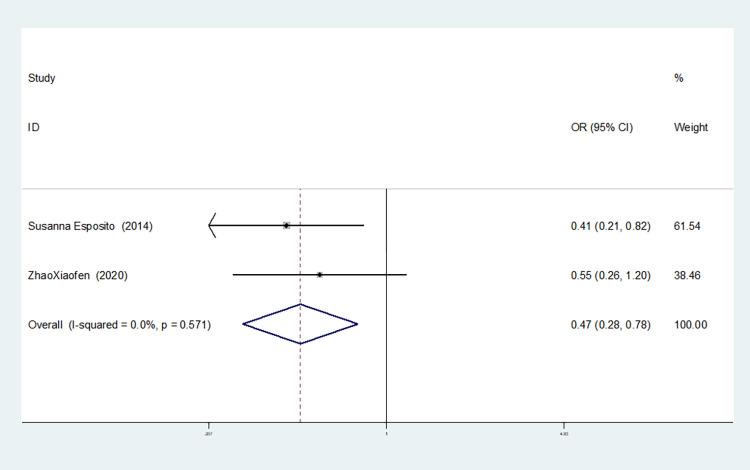
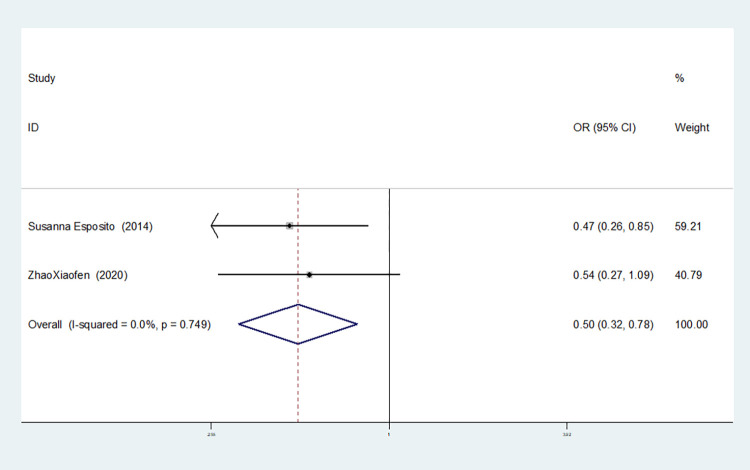
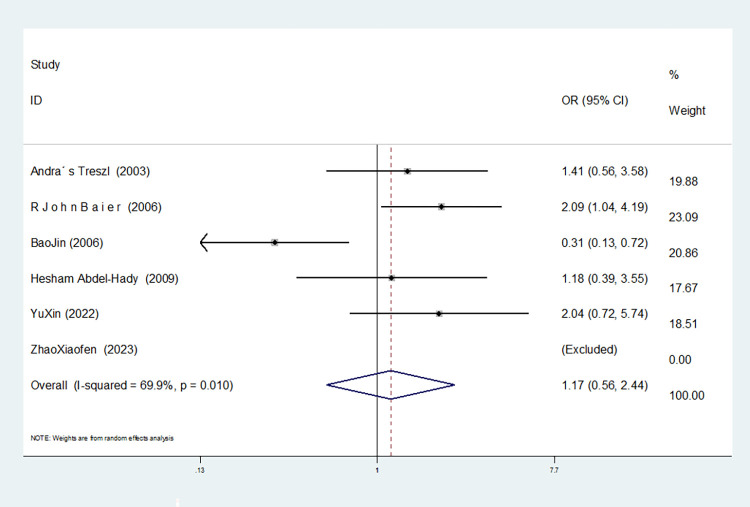
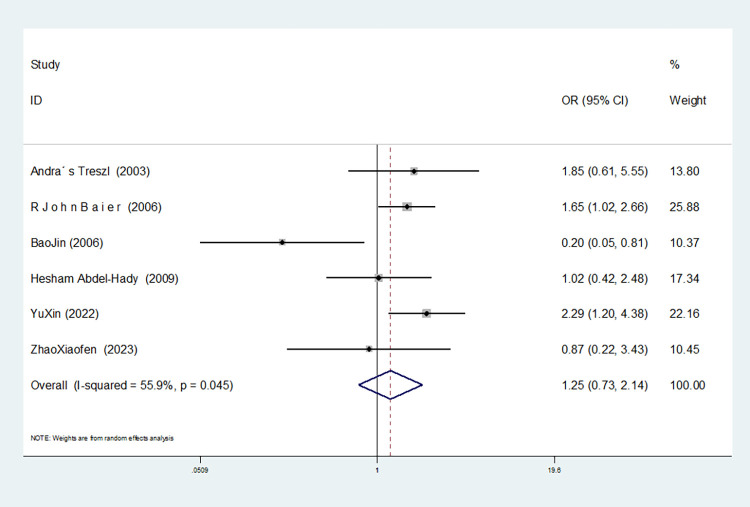
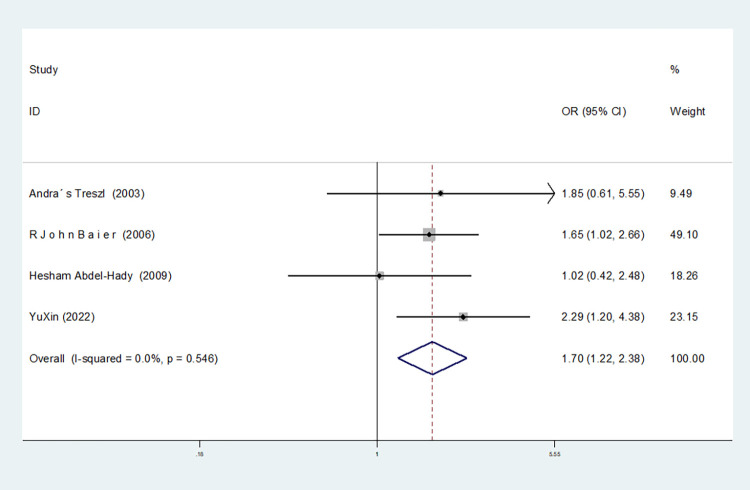
Results: After reviewing 1129 articles, 29 relevant articles involving 3348 cases and 5183 controls were included in the study. The meta-analysis conducted on IL-1βrs1143643 polymorphism revealed significant findings: the T allele genotype has a lower risk of neonatal sepsis(P = 0.000, OR = 0.224, 95% CI: 0.168-0.299), while the TC and TT genotypes showed an increased risk(TC: P = 0.000,OR = 4.251, 95% CI: 2.226-8.119; TT: P = 0.019,OR = 2.020, 95% CI: 1.122-3.639). Similarly, newborns with the IL-6-174 CC genotype had a significantly higher risk of sepsis(P = 0.000,OR = 1.591, 95% CI: 1.154-2.194), while those with the IL-8-rs4073 TT (P = 0.003,OR = 0.467, 95% CI: 0.280-0.777)and TT + AA(P = 0.003,OR = 0.497, 95% CI: 0.315-0.785) genotypes had a significantly lower risk of sepsis. For the IL-10-1082 gene, newborns with the AA genotype(P = 0.002,OR = 1.702, 95% CI: 1.218-2.377), as well as those with the AA + GA genotype(P = 0.016,OR = 1.731, 95% CI: 1.108-2.705), had a significantly higher risk of sepsis. Lastly, newborns carrying the TNF-α-308 A allele (P = 0.016,OR = 1.257, 95% CI: 1.044-1.513)or the AA genotype(P = 0.009,OR = 1.913, 95% CI: 1.179-3.10) have a significantly increased risk of sepsis. Notwithstanding, additional studies must be included for validation. Applying these cytokines in clinical practice and integrating them into auxiliary examinations facilitates the early detection of susceptible populations for neonatal sepsis, thereby providing a new diagnostic and therapeutic approach for neonatal sepsis.
Copyright: © 2024 Liang et al. This is an open access article distributed under the terms of the Creative Commons Attribution License, which permits unrestricted use, distribution, and reproduction in any medium, provided the original author and source are credited.
Conflict of interest statement
The authors have declared that no competing interests exist.
Figures




References
-
- The Neonatal Group of the Pediatric Branch of the Chinese Medical Association, The Infection Professional Committee of the Neonatal Pediatric Branch of the Chinese Medical Association. Expert Consensus on Diagnosis and Treatment of Neonatal Septicemia (2019 Edition). Chinese Journal of Pediatrics. 2019; 57 (4): 252–257.
-
- Xiao Chen, Jianhua Fu. Research progress in the diagnosis and treatment of neonatal sepsis. Chinese Journal of Neonatology. 2017;32 (3): 236–239.
Publication types
MeSH terms
Substances
LinkOut - more resources
Full Text Sources
Miscellaneous
