


Investigating the potential of 6-substituted 3-formyl chromone derivatives as anti-diabetic agents using in silico methods
- PMID: 38851807
- PMCID: PMC11162442
- DOI: 10.1038/s41598-024-63237-y
Investigating the potential of 6-substituted 3-formyl chromone derivatives as anti-diabetic agents using in silico methods
Abstract
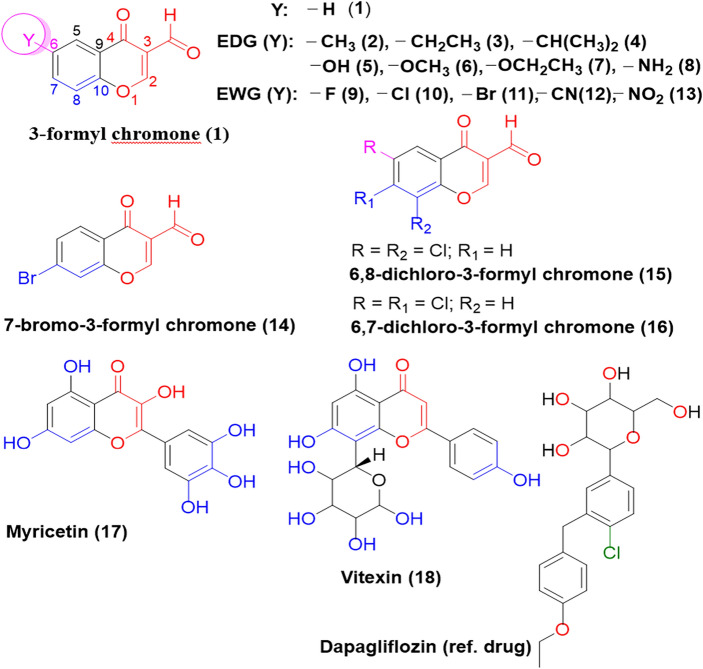
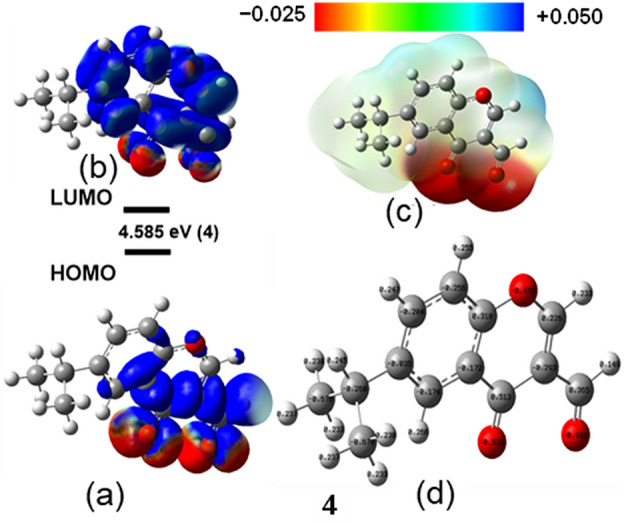
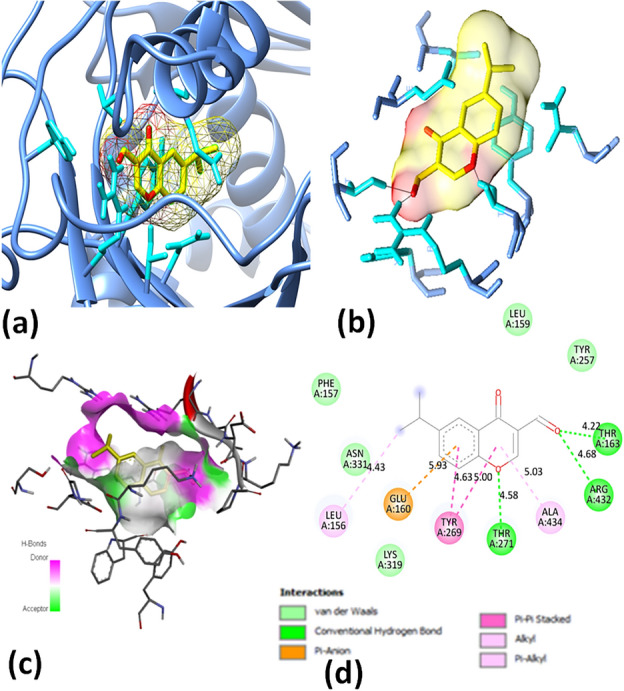
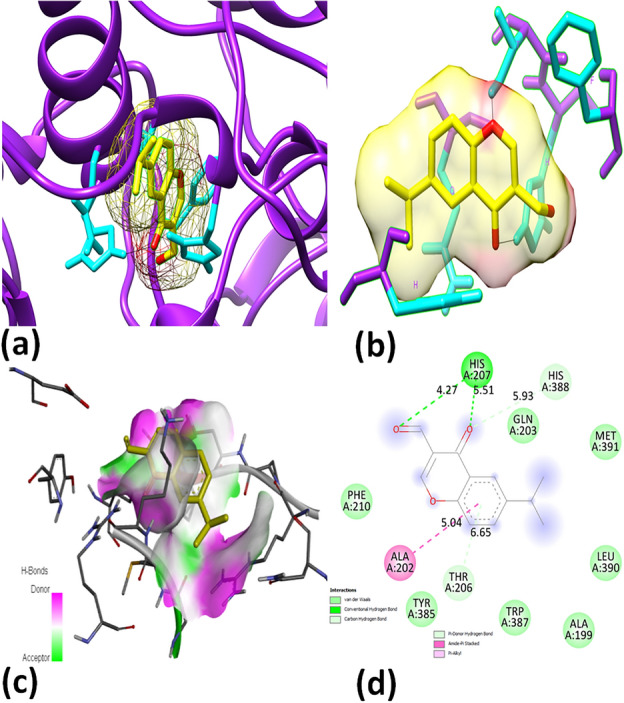
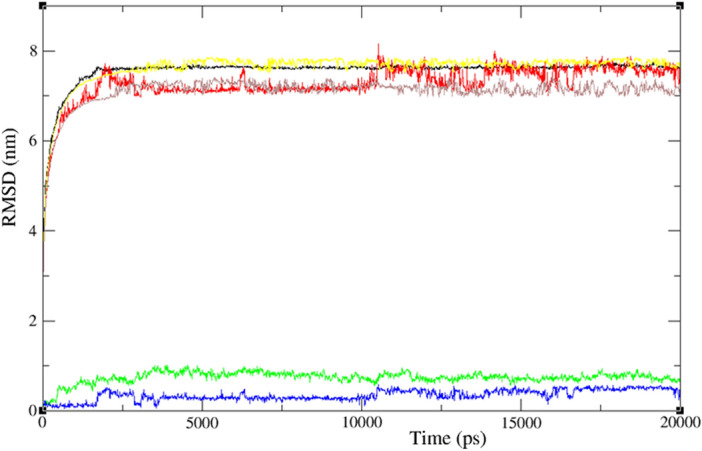
In exploring nature's potential in addressing diabetes-related conditions, this study investigates the therapeutic capabilities of 3-formyl chromone derivatives. Utilizing in silico methodologies, we focus on 6-substituted 3-formyl chromone derivatives (1-16) to assess their therapeutic potential in treating diabetes. The research examined the formyl group at the chromone's C-3 position. ADMET, biological activities, were conducted along with B3LYP calculations using 3 different basis sets. The analogues were analyzed based on their parent structure obtained from PubChem. The HOMO-LUMO gap confirmed the bioactive nature of the derivatives, NBO analysis was performed to understand the charge transfer. PASS prediction revealed that 3-formyl chromone derivatives are potent aldehyde oxidase inhibitors, insulin inhibitors, HIF1A expression inhibitors, and histidine kinase. Molecular docking studies indicated that the compounds had a strong binding affinity with proteins, including CAD, BHK, IDE, HIF-α, p53, COX, and Mpro of SARS-CoV2. 6-isopropyl-3-formyl chromone (4) displayed the highest affinity for IDE, with a binding energy of - 8.5 kcal mol-1. This result outperformed the affinity of the reference standard dapagliflozin (- 7.9 kcal mol-1) as well as two other compounds that target human IDE, namely vitexin (- 8.3 kcal mol-1) and myricetin (- 8.4 kcal mol-1). MD simulations were revealed RMSD value between 0.2 and 0.5 nm, indicating the strength of the protein-ligand complex at the active site.
© 2024. The Author(s).
Conflict of interest statement
The authors declare no competing interests.
Figures
References
-
- Kazeem M, Bankole H, Ogunrinola O, Wusu A, Kappo A. Functional foods with dipeptidyl peptidase-4 inhibitory potential and management of type 2 diabetes: A review. Food Front. 2021;2:153–162. doi: 10.1002/fft2.71. - DOI
-
- Yuan J, et al. Single-junction organic solar cell with over 15% efficiency using fused-ring acceptor with electron-deficient core. Joule. 2019;3:1140–1151. doi: 10.1016/j.joule.2019.01.004. - DOI
MeSH terms
Substances
LinkOut - more resources
Full Text Sources
Medical
Research Materials
Miscellaneous
