


Prosthetic rehabilitation of patients with maxillary oncology defects using zygomatic implants
- PMID: 38856842
- PMCID: PMC11164848
- DOI: 10.1186/s40729-024-00545-y
Prosthetic rehabilitation of patients with maxillary oncology defects using zygomatic implants
Abstract
Purpose: Prosthetics for patients after oncological resection of the upper jaw is a complex problem associated with the physiological and anatomical separation of the oral cavity and the nasal/paranasal region. This study reports the clinical results of the use of the zygomatic implants for prosthetic rehabilitation in patients with maxillectomy due to upper jaw tumors.
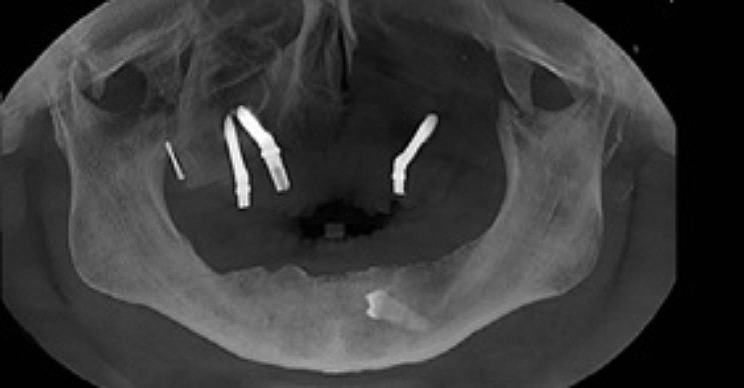
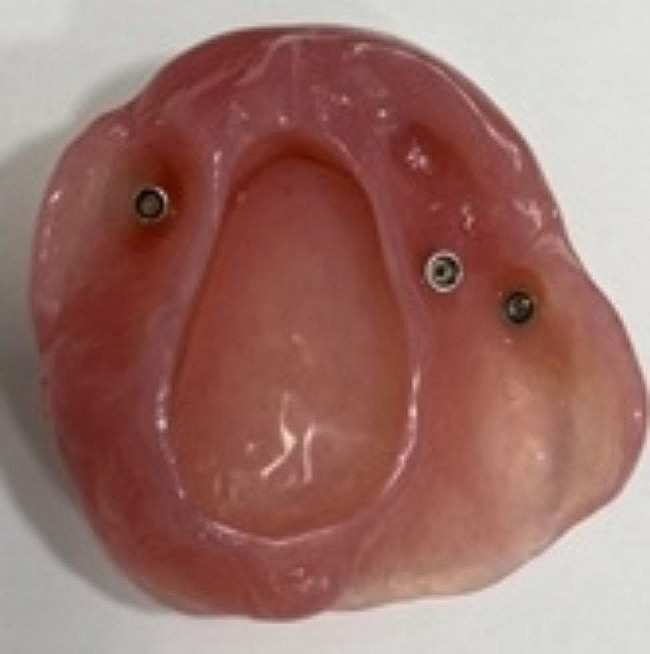
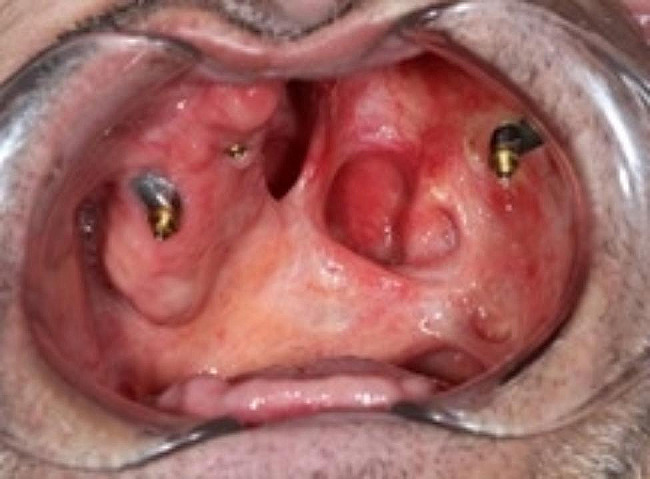
Materials and methods: The study included 16 patients who underwent prosthetic rehabilitation using a zygomatic implant after maxillectomy period from 2021 to 2023. After the tumor was removed, immediate surgical obturators were placed. Main prosthetic rehabilitation was performed 6-12 months after tumor removal, but before that, a temporary obturator was made and used. Six-twelve months after tumor resection, 1-4 zygomatic implants were inserted into the zygomatic bone unilaterally or bilaterally. A total of 42 zygomatic implants were installed, 2 of which were unsuccessful and were removed in 1 patient. The implants were placed using the surgical guide, which was planned and prepared digitally.
Results: No postsurgical complications were seen, and the patients were discharged from the hospital after 7-10 days. The patients were able to return to a normal diet (hard food) after just 7 days following surgery, with no further complaints regarding function or pain, apart from the residual edema caused by the intervention.
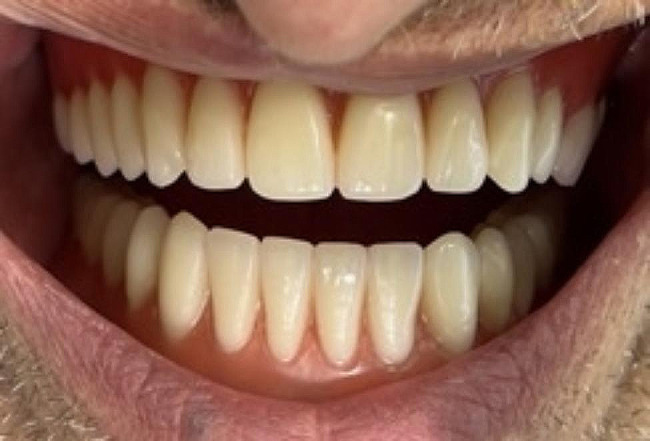
Conclusions: The use of prostheses fixed on zygomatic implants in patients with maxillary defects is an effective method of prosthodontic rehabilitation in complex clinical cases after maxillectomy.
Keywords: Maxillectomy; Prosthetic rehabilitation; Upper jaw tumors; Zygomatic implants.
© 2024. The Author(s).
Conflict of interest statement
The authors declare no competing interests.
Figures




References
-
- National Cancer Institute. SEER Cancer Stat Facts: Oral Cavity and Pharynx Cancer. National Cancer Institute. Available online. Last accessed May 1; 2023.
-
- American Cancer Society: Cancer Facts and Fig. 2023. American Cancer Society, 2023. Available online. Last accessed Dec. 15; 2023.
-
- Lalla RV, Brennan MT, Schubert MM. Oral complications of cancer therapy. In: Yagiela JA, Dowd FJ, Johnson BS editors: Pharmacology and therapeutics for Dentistry. 6th ed. Mosby Elsevier. 2011;782 – 98.
-
- Sroussi HY, Epstein JB, Bensadoun RJ, Saunders DP, Lalla RV, Migliorati CA, et al. Common oral complications of head and neck cancer radiation therapy: mucositis, infections, saliva change, fibrosis, sensory dysfunctions, dental caries, periodontal disease, and osteoradionecrosis. Cancer Med. 2017;6(12):2918–31. doi: 10.1002/cam4.1221. - DOI - PMC - PubMed
MeSH terms
Substances
LinkOut - more resources
Full Text Sources
