Restoring Brain Pathways Involved in Diabetes-Associated Neurocognitive Disorders: The Potential of Dipeptidyl Peptidase 4 Inhibitors as a Therapeutic Strategy
- PMID: 38860903
- PMCID: PMC12105248
- DOI: 10.2174/1570159X22666240517094428
Restoring Brain Pathways Involved in Diabetes-Associated Neurocognitive Disorders: The Potential of Dipeptidyl Peptidase 4 Inhibitors as a Therapeutic Strategy
Abstract
Background: Diabetes, a widespread chronic metabolic disease, is projected to affect 783 million people globally by 2045. Recent studies emphasize the neuroprotective potential of dipeptidyl peptidase 4 (DPP4i) inhibitors, pointing toward a promising avenue for intervention in addressing cognitive challenges associated with diabetes. Due to limited data on the effect of DPP4i on brain pathways involvedin diabetes-related neurocognitive disorders, the decision was made to conduct this study to fill existing knowledge gaps on this topic.
Methods: The primary aim of our study was to evaluate the potential of DPP4 inhibitors (DPP4i) in preventing cognitive decline in mice with type 2 diabetes (T2D), placing special emphasis on gaining insight into the complex molecular mechanisms underlying this action.
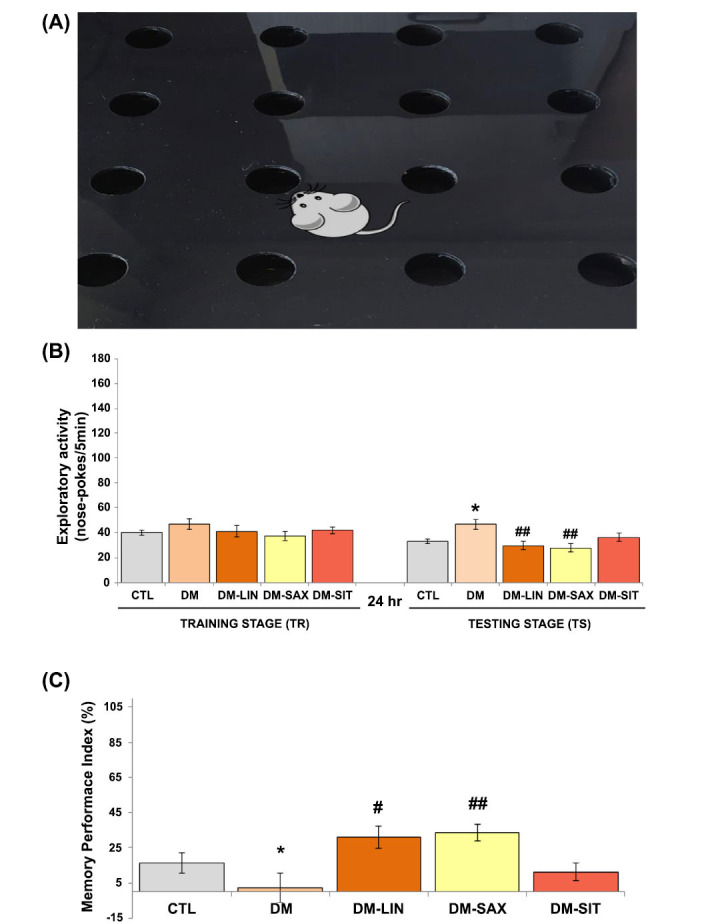
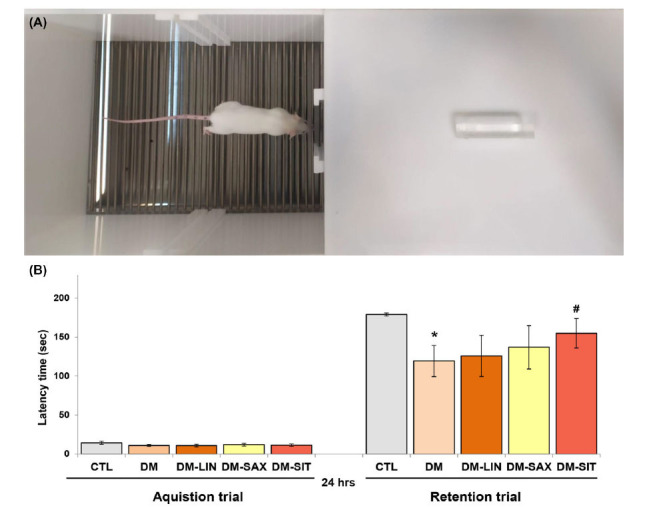
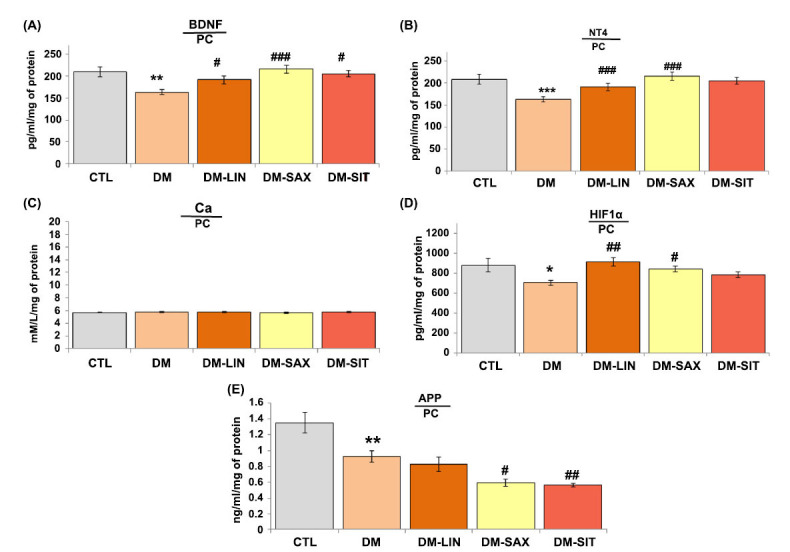
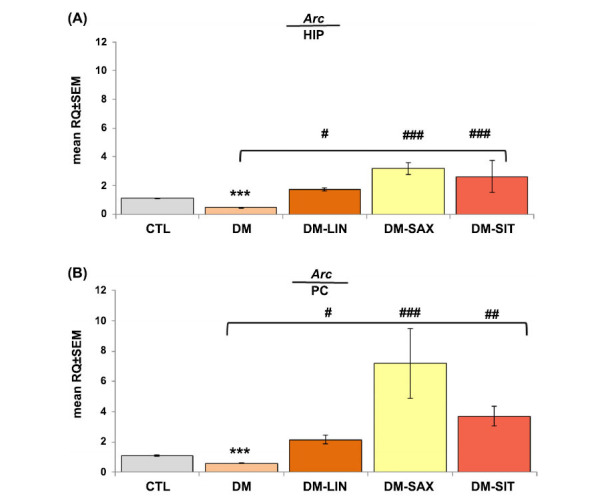
Results: We examined drug efficacy in modulating neurotrophic factors, calcium levels, and the expression of key genes (HIF1α, APP, Arc) crucial for neural plasticity. Conducting cognitive assessments with the hole board and passive avoidance tests, we discerned a remarkable influence of shortterm gliptin usage on the limiting progress of cognitive dysfunction in diabetic mice. The administration of DPP4 inhibitors ledto heightened neurotrophin levels, increased HIF1α in the prefrontal cortex, and a significant elevation in Arc mRNA levels.
Conclusion: Our findings reveal that DPP4 inhibitors effectively limit the progression of diabetesrelated cognitive disorders. This breakthrough discovery not only opens new research avenues but also constitutes a potential starting point for creating innovative strategies for the treatment of central nervous system disorders focused on improving cognitive abilities.
Keywords: APP; Arc.; Dipeptidyl peptidase 4 inhibitors; HIF1α; diabetes; neurotrophins.
Copyright© Bentham Science Publishers; For any queries, please email at epub@benthamscience.net.
Conflict of interest statement
The authors declare no conflict of interest, financial or otherwise.
Figures
References
-
- UN. World Population Aging 2015. United Nations 2015, San Francisco, CA, USA. https://www.un.org/en/development/desa/population/publications/pdf/agein... (Accessed May 29,2023).
-
- Crimmins E.M., Kim J.K., Langa K.M., Weir D.R. Assessment of cognition using surveys and neuropsychological assessment: The health and retirement study and the aging, demographics, and memory study. J. Gerontol. B Psychol. Sci. Soc. Sci. 2011;66(Suppl 1):i162–i171. doi: 10.1093/geronb/gbr048. - DOI - PMC - PubMed
MeSH terms
Substances
Grants and funding
LinkOut - more resources
Full Text Sources
Medical
Miscellaneous