Effects of pioglitazone and metformin on abdominal adhesion formation in an experimental model
- PMID: 38863295
- PMCID: PMC11230044
- DOI: 10.14744/tjtes.2024.61732
Effects of pioglitazone and metformin on abdominal adhesion formation in an experimental model
Abstract
Background: This study evaluated the use of metformin or pioglitazone in preventing or reducing the development of post-operative intra-abdominal adhesion (PIAA) by employing histopathological, immunohistochemical, and biochemical analyses in an experimental adhesion model.
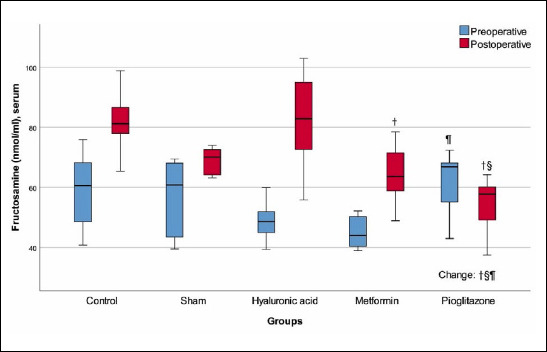
Methods: Fifty Wistar-Albino rats were divided into five groups: Group I (Control), Group II (Sham Treatment), Group III (Hy-aluronic Acid), Group IV (Metformin), and Group V (Pioglitazone). Adhesions were induced in the experimental groups, except for the sham group, using the scraping method. After 10 days, rats were euthanized for evaluation. Macroscopic adhesion degrees were assessed using Nair's scoring system. Immunohistochemical and enzyme-linked immunosorbent assay (ELISA) methods were utilized to assess serum, peritoneal lavage, and intestinal tissue samples. Fructosamine, interleukin-6 (IL-6), transforming growth factor-beta (TGF-β), and fibronectin levels were measured in serum and peritoneal lavage samples.
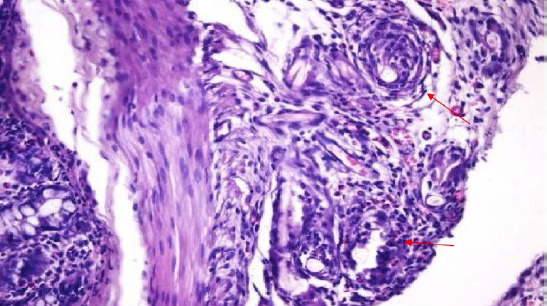
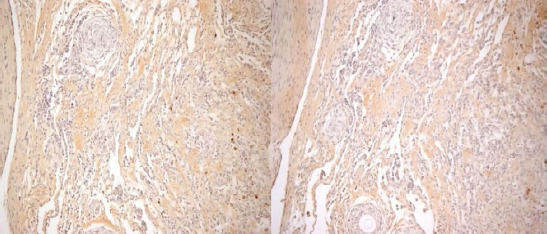
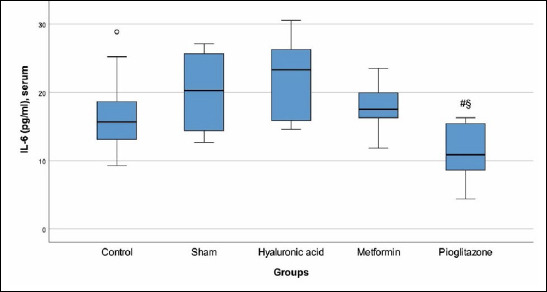
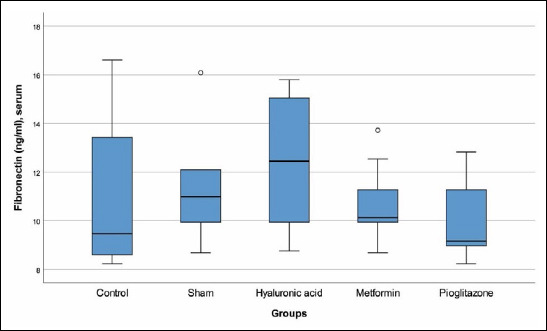
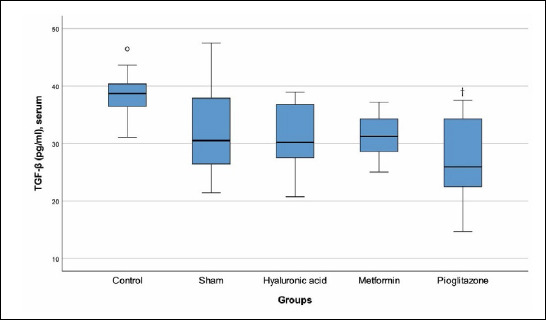
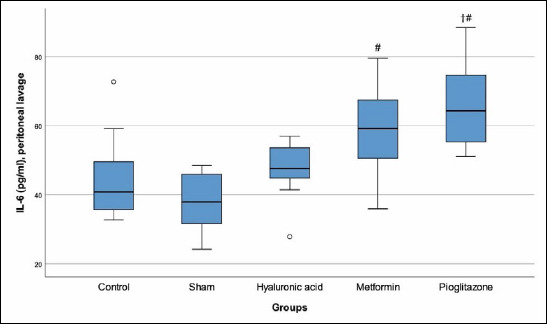
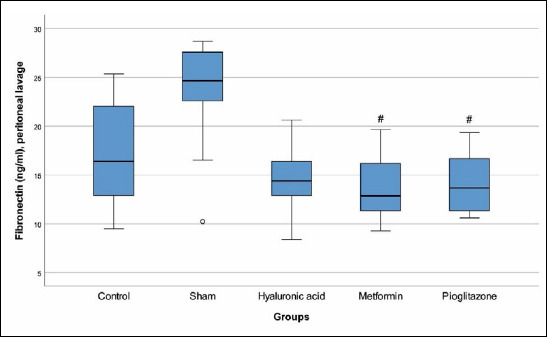
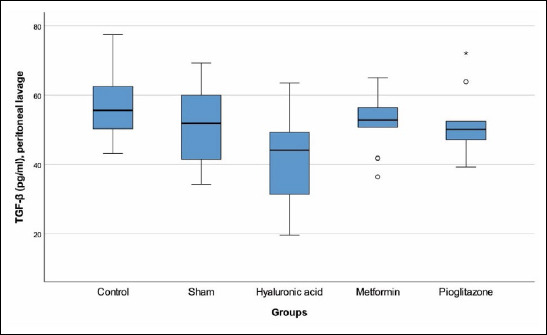
Results: The groups exhibited similar Nair scores and Type I or Type III Collagen staining scores (all, p>0.05). Pioglitazone significantly reduced serum IL-6 and TGF-β levels compared to controls (p=0.002 and p=0.008, respectively). Both metformin and pioglitazone groups showed elevated IL-6 in peritoneal lavage relative to controls, while fibronectin levels in the lavage were lower in pioglitazone-treated rats compared to the sham group (all, p<0.005).
Conclusion: Pioglitazone, but not metformin, demonstrated a positive biochemical impact on preventing PIAA formation in an experimental rat model, although histological impacts were not observed. Further experimental studies employing different dose/duration regimens of pioglitazone are needed to enhance our understanding of its effect on PIAA formation.
Conflict of interest statement
Figures

References
-
- Okabayashi K, Ashrafian H, Zacharakis E, Hasegawa H, Kitagawa Y, Athanasiou T, et al. Adhesions after abdominal surgery:a systematic review of the incidence, distribution and severity. Surgery Today. 2014;44:405–20. - PubMed
-
- Sirovy M, Odlozilova S, Kotek J, Zajak J, Paral J. Current options for the prevention of postoperative intra-abdominal adhesions. Asian J Surg. 2023;46:465–71. - PubMed
MeSH terms
Substances
LinkOut - more resources
Full Text Sources