Discovering the gene-brain-behavior link in autism via generative machine learning
- PMID: 38865470
- PMCID: PMC11168471
- DOI: 10.1126/sciadv.adl5307
Discovering the gene-brain-behavior link in autism via generative machine learning
Abstract
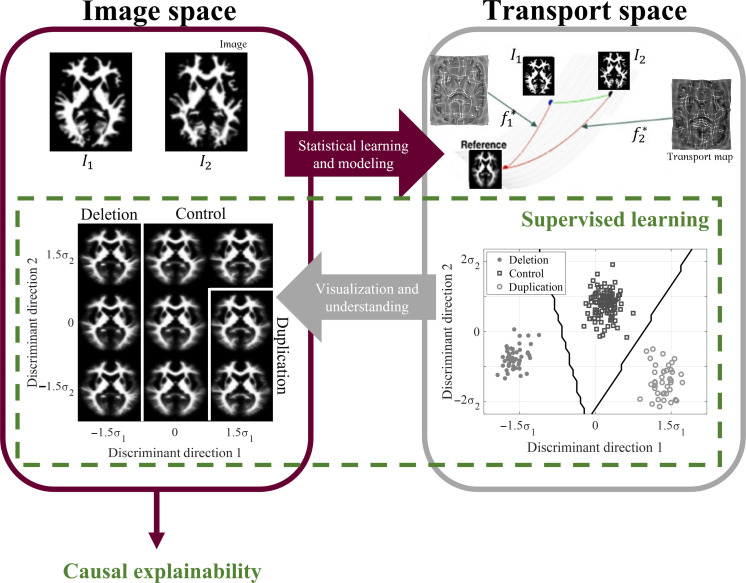
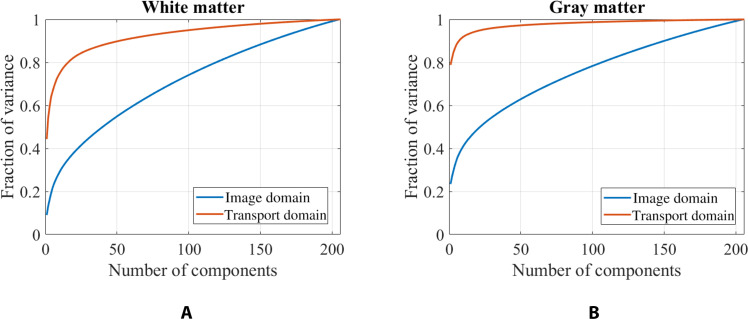
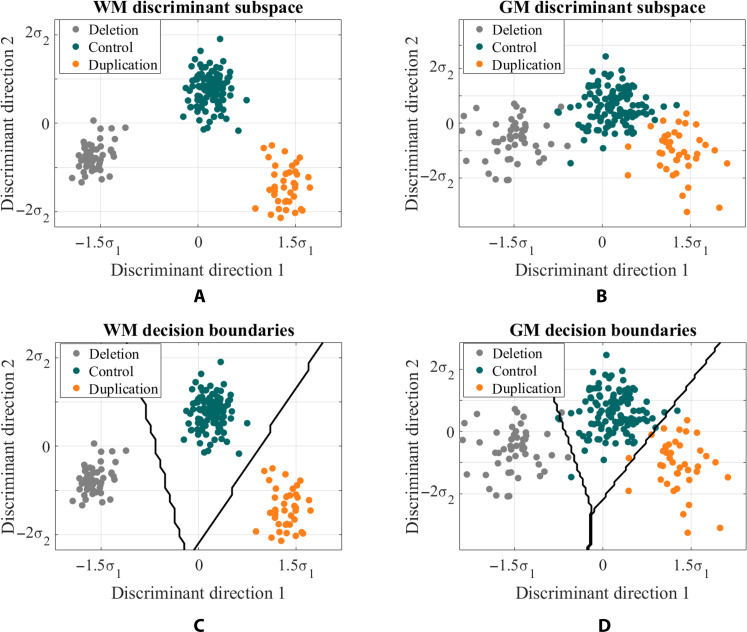
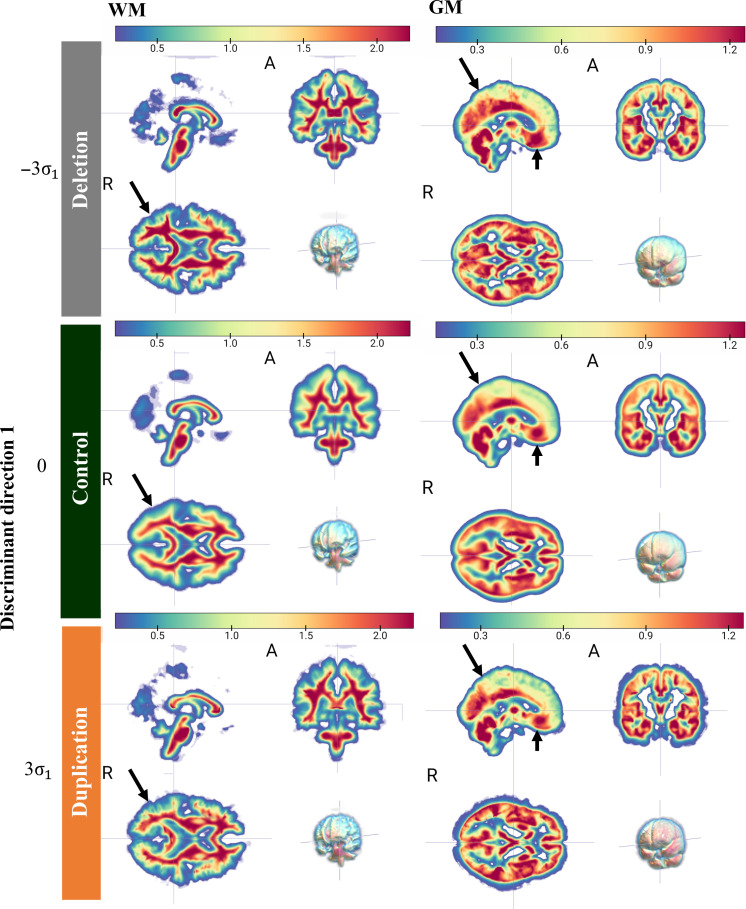
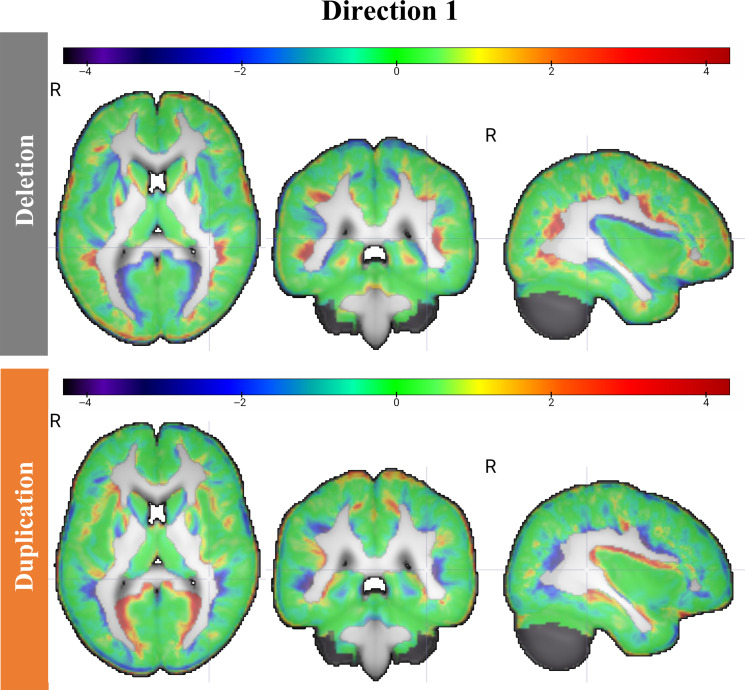
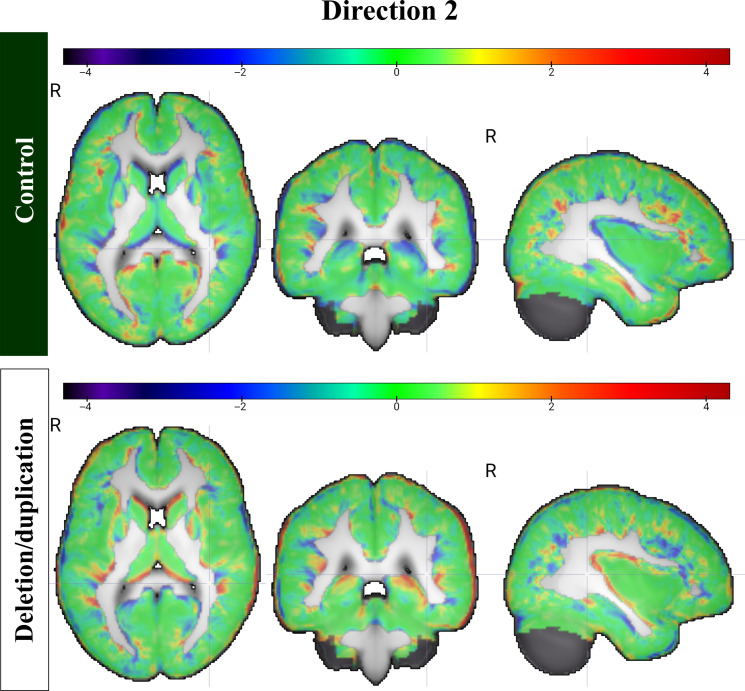
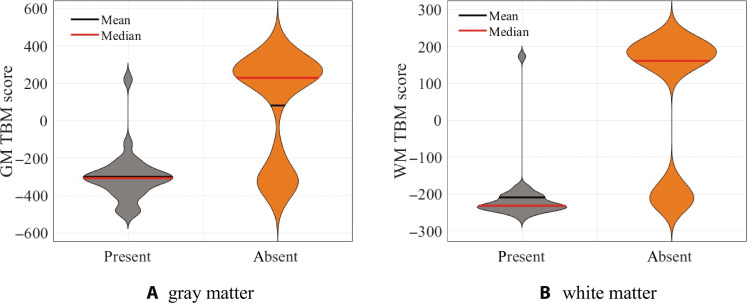
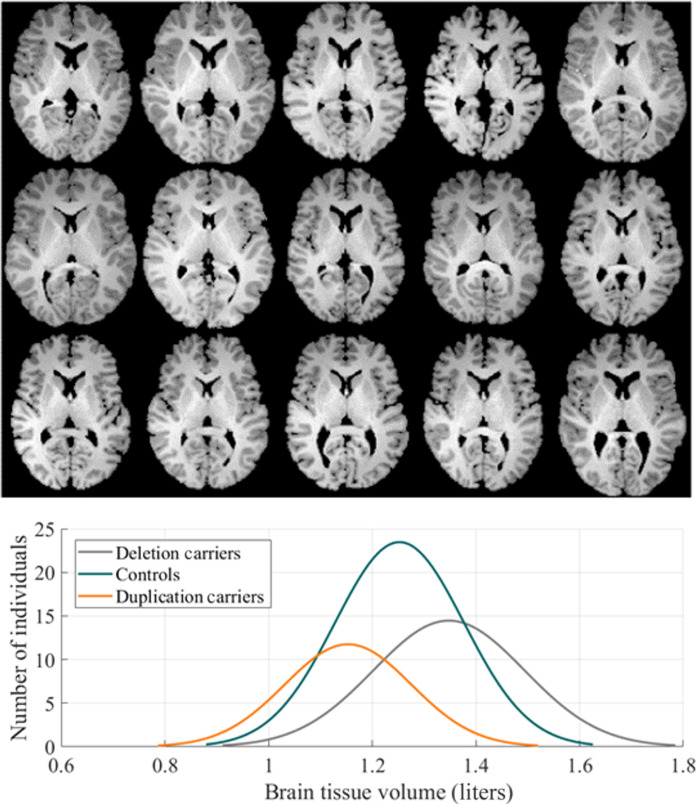
Autism is traditionally diagnosed behaviorally but has a strong genetic basis. A genetics-first approach could transform understanding and treatment of autism. However, isolating the gene-brain-behavior relationship from confounding sources of variability is a challenge. We demonstrate a novel technique, 3D transport-based morphometry (TBM), to extract the structural brain changes linked to genetic copy number variation (CNV) at the 16p11.2 region. We identified two distinct endophenotypes. In data from the Simons Variation in Individuals Project, detection of these endophenotypes enabled 89 to 95% test accuracy in predicting 16p11.2 CNV from brain images alone. Then, TBM enabled direct visualization of the endophenotypes driving accurate prediction, revealing dose-dependent brain changes among deletion and duplication carriers. These endophenotypes are sensitive to articulation disorders and explain a portion of the intelligence quotient variability. Genetic stratification combined with TBM could reveal new brain endophenotypes in many neurodevelopmental disorders, accelerating precision medicine, and understanding of human neurodiversity.
Figures
References
-
- American Psychiatric Association, What is autism spectrum disorder?, https://psychiatry.org/patients-families/autism/what-is-autism-spectrum-... (2023). [accessed 18 November 2023].
-
- Binder E. B., Genotype-phenotype predictions in autism: Are we there yet? Am. J. Psychiatry 178, 11–12 (2021). - PubMed
-
- A. Speaks, Should I or we have genetic testing for autism? Expert Opinion (2023).
MeSH terms
Grants and funding
LinkOut - more resources
Full Text Sources