


Effects of peripheral blood cells on ischemic stroke: Greater immune response or systemic inflammation?
- PMID: 38868036
- PMCID: PMC11168442
- DOI: 10.1016/j.heliyon.2024.e32171
Effects of peripheral blood cells on ischemic stroke: Greater immune response or systemic inflammation?
Abstract
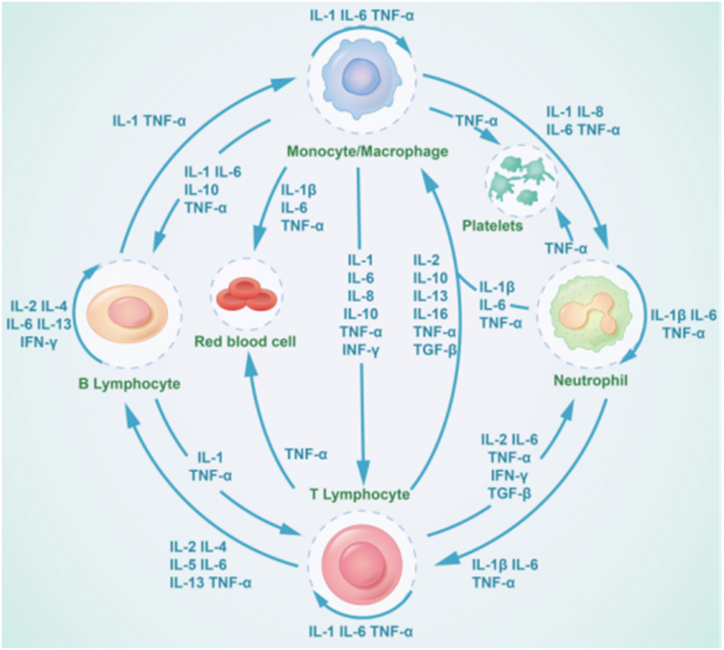
Ischemic stroke is still one of the most serious medical conditions endangering human health worldwide. Current research on the mechanism of ischemic stroke focuses on the primary etiology as well as the subsequent inflammatory response and immune modulation. Recent research has revealed that peripheral blood cells and their components are crucial to the ensuing progression of ischemic stroke. However, it remains unclear whether blood cell elements are principally in charge of systemic inflammation or immunological regulation, or if their participation is beneficial or harmful to the development of ischemic stroke. In this review, we aim to describe the changes in peripheral blood cells and their corresponding parameters in ischemic stroke. Specifically, we elaborate on the role of each peripheral component in the inflammatory response or immunological modulation as well as their interactions. It has been suggested that more specific therapies aimed at targeting peripheral blood cell components and their role in inflammation or immunity are more favorable to the treatment of ischemic stroke.
Keywords: Immune response; Inflammation; Ischemic stroke; Peripheral blood cell.
© 2024 The Authors. Published by Elsevier Ltd.
Conflict of interest statement
The authors declare that they have no known competing financial interests or personal relationships that could have appeared to influence the work reported in this paper.
Figures

References
Publication types
LinkOut - more resources
Full Text Sources
