


Microglial apolipoprotein E particles contribute to neuronal senescence and synaptotoxicity
- PMID: 38868202
- PMCID: PMC11167441
- DOI: 10.1016/j.isci.2024.110006
Microglial apolipoprotein E particles contribute to neuronal senescence and synaptotoxicity
Abstract
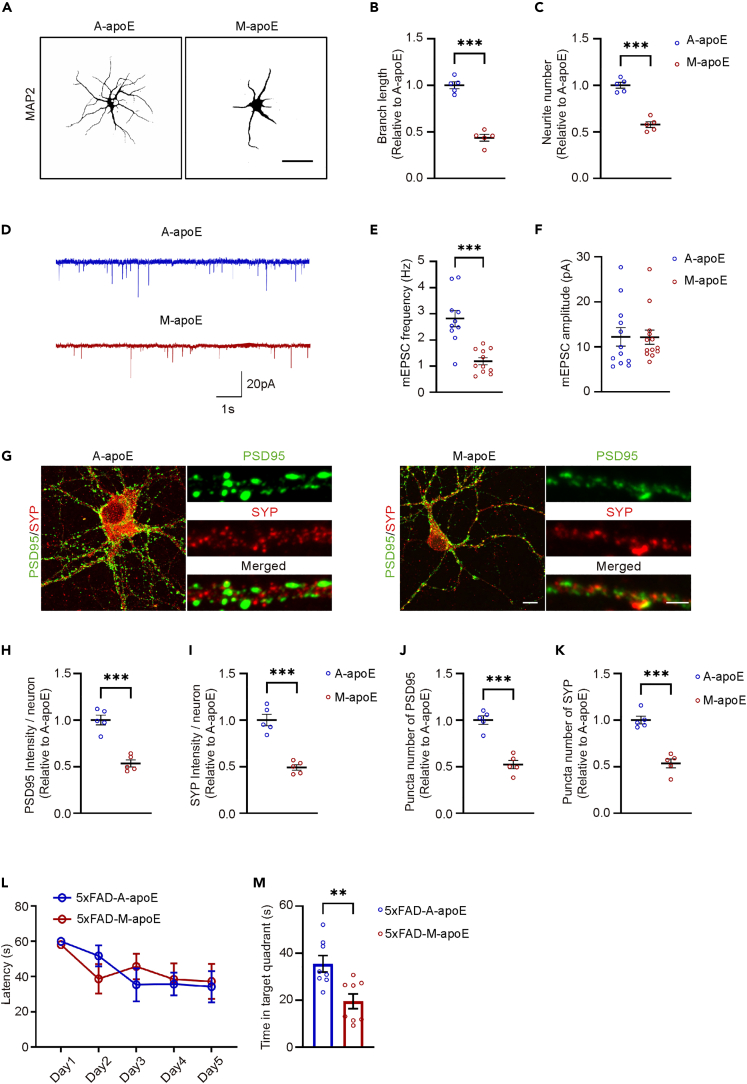
Apolipoprotein E (apoE) plays a crucial role in the pathogenesis of Alzheimer's disease (AD). Microglia exhibit a substantial upregulation of apoE in AD-associated circumstances, despite astrocytes being the primary source of apoE expression and secretion in the brain. Although the role of astrocytic apoE in the brain has been extensively investigated, it remains unclear that whether and how apoE particles generated from astrocytes and microglia differ in biological characteristic and function. Here, we demonstrate the differences in size between apoE particles generated from microglia and astrocytes. Microglial apoE particles impair neurite growth and synapses, and promote neuronal senescence, whereas depletion of GPNMB (glycoprotein non-metastatic melanoma protein B) in microglial apoE particles mitigated these deleterious effects. In addition, human APOE4-expressing microglia are more neurotoxic than APOE3-bearing microglia. For the first time, these results offer concrete evidence that apoE particles produced by microglia are involved in neuronal senescence and toxicity.
Keywords: Biological sciences; Cellular neuroscience; Neuroscience; Transcriptomics.
© 2024 The Author(s).
Conflict of interest statement
The authors declare no competing interests.
Figures




References
LinkOut - more resources
Full Text Sources
Molecular Biology Databases
Miscellaneous
