


Curcumin mitigates acrylamide-induced ovarian antioxidant disruption and apoptosis in female Balb/c mice: A comprehensive study on gene and protein expressions
- PMID: 38873462
- PMCID: PMC11167175
- DOI: 10.1002/fsn3.4076
Curcumin mitigates acrylamide-induced ovarian antioxidant disruption and apoptosis in female Balb/c mice: A comprehensive study on gene and protein expressions
Abstract
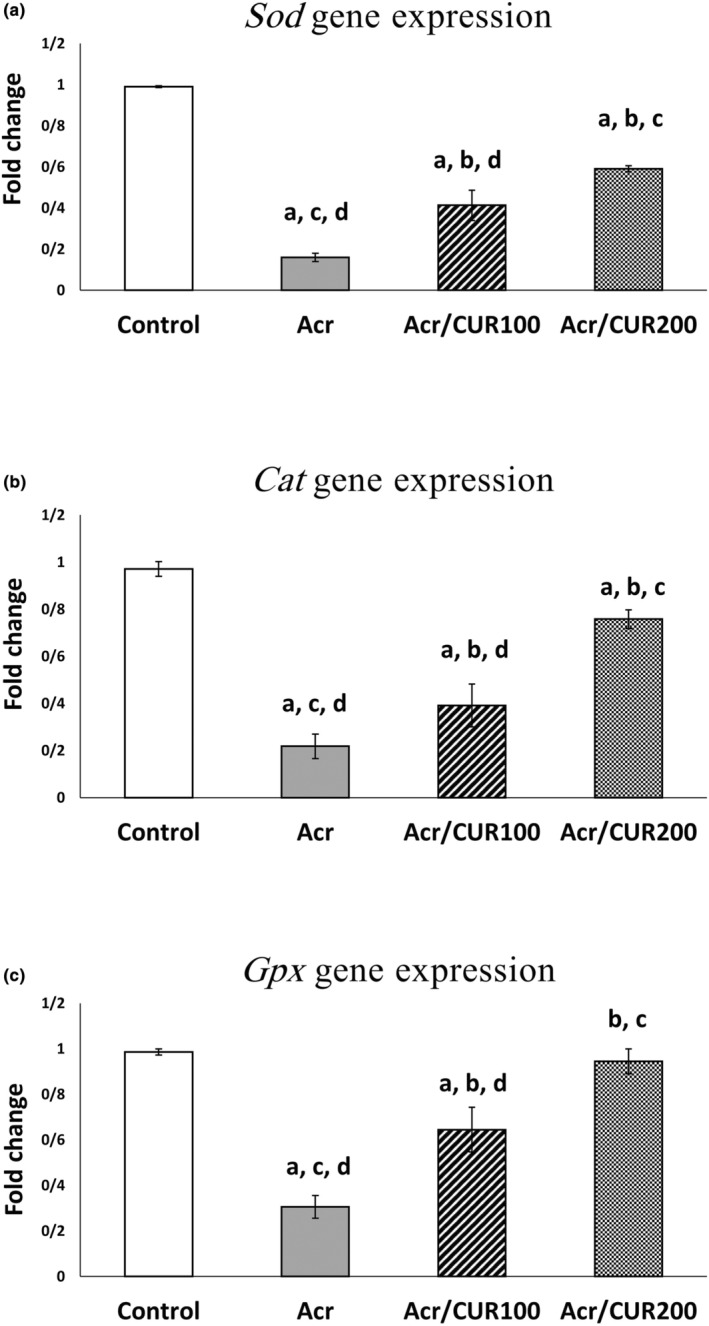
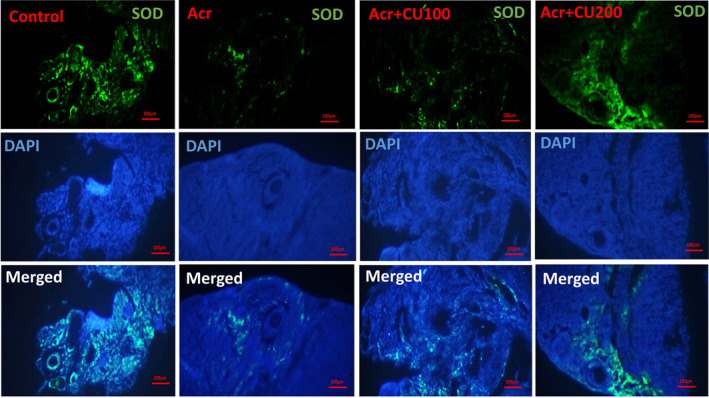
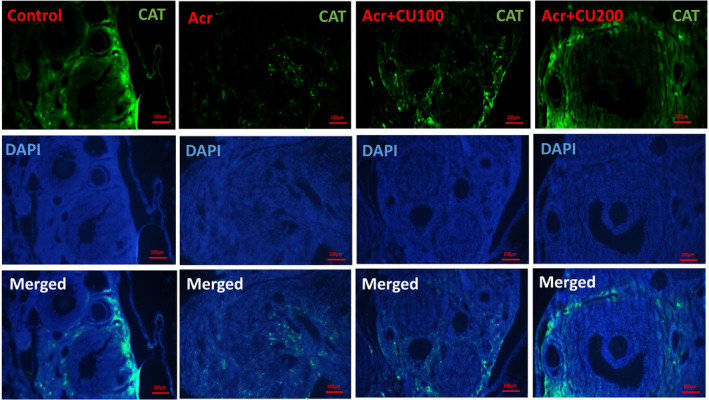
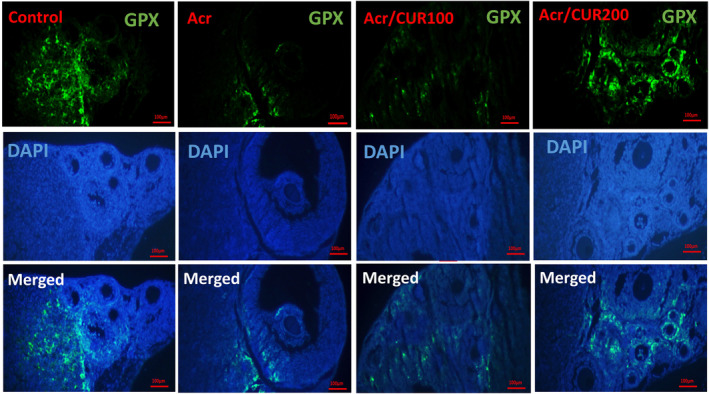
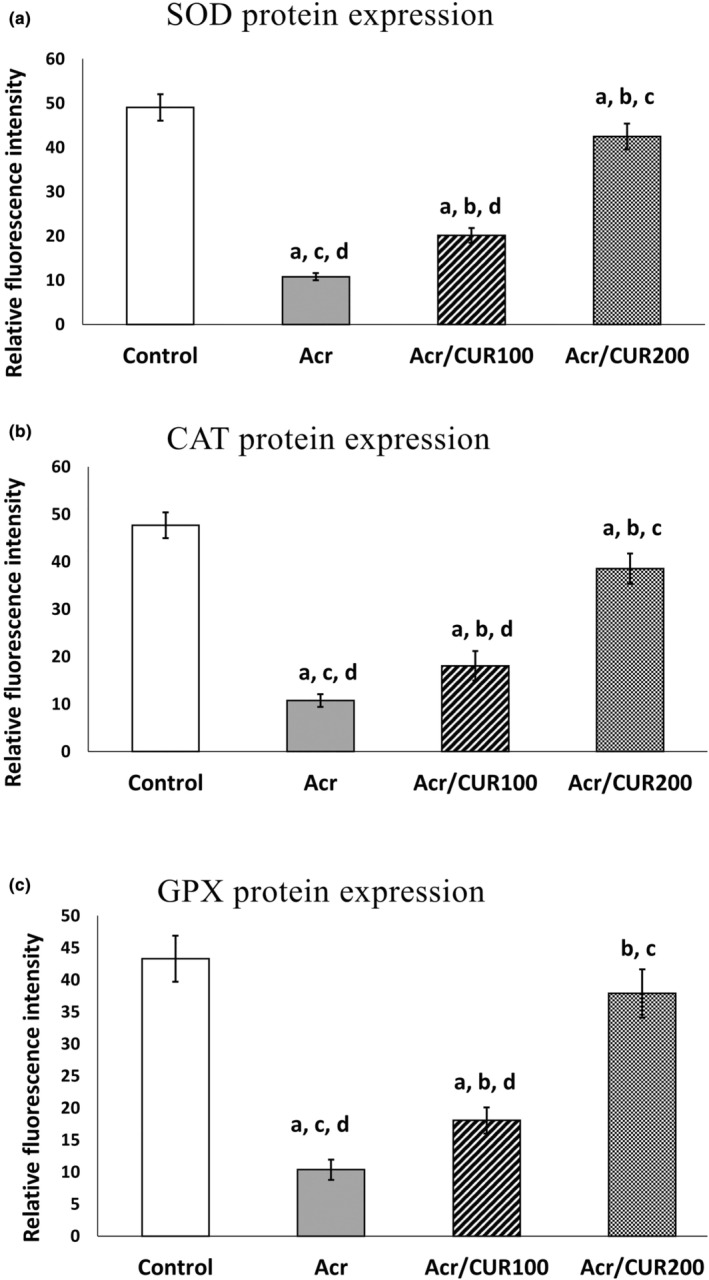
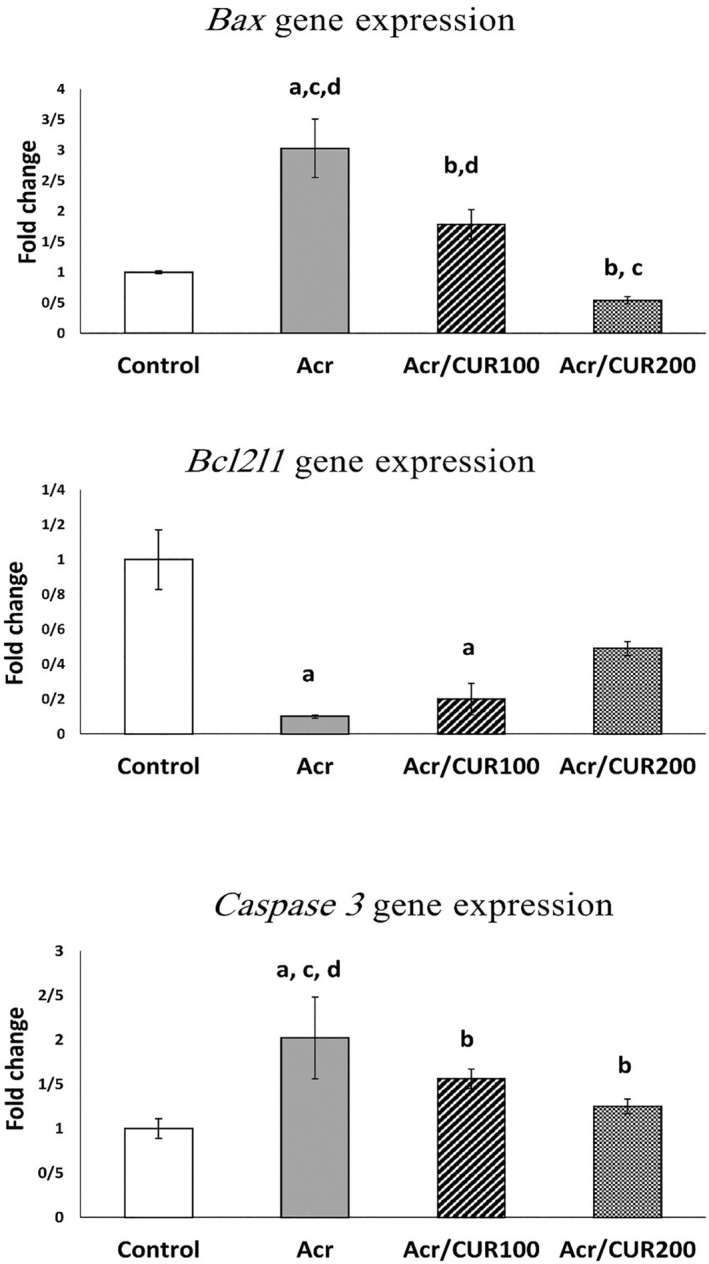
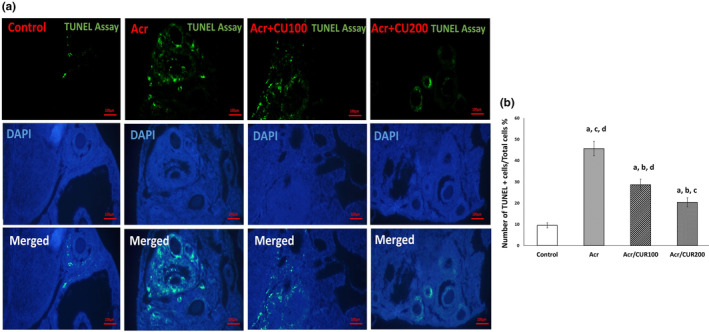
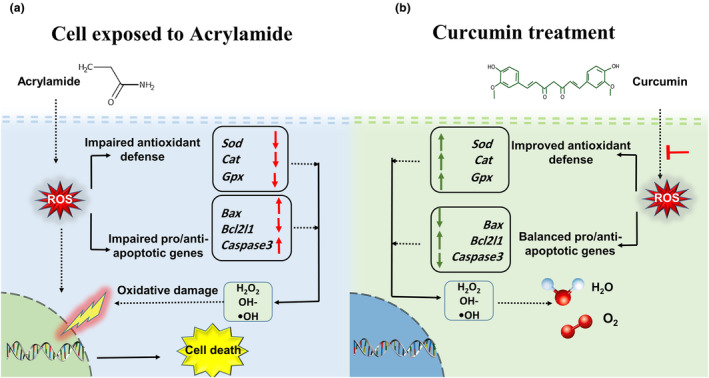
Curcumin is known for its antioxidant properties. This study aimed to investigate the impact of curcumin on acrylamide (ACR)-induced alterations in the first-line antioxidant defense of ovarian tissue. Female Balb/c mice were divided into control, ACR (50 mg/kg), ACR/CUR100 (received Acr + curcumin100 mg/kg), and ACR/CUR200 (Acr + curcumin 200 mg/kg) groups, and received oral treatments for 35 days. Evaluation of antioxidant enzyme expression (Sod, Cat, Gpx genes), pro-apoptotic gene expressions (Bax, Caspase 3), and anti-apoptotic gene expression (Bcl2l1) at mRNA and protein levels was done. Percentage of apoptotic cells using Terminal deoxynucleotidyl transferase dUTP nick end labeling (TUNEL) assay was performed. The model group (ACR) showed decreased mRNA expression of Sod, Cat, and Gpx genes compared with the control group. Treatment with two different doses of curcumin (CUR100 and CUR200) significantly increased Sod, Cat, and Gpx gene expression, with CUR200 demonstrating significant recovery. SOD, CAT, and GPX protein levels were similar to mRNA expression trends, significantly increased with curcumin administration. Acrylamide exposure significantly increased Bax and Caspase 3 expression and decreased Bcl2l1 gene expression leading to a notable rise in apoptosis in ACR group as compared to the control group. Conversely, curcumin administration, significantly reduced Bax and Caspase 3 expressions, with an increase in Bcl2l1expression, though not statistically significant. TUNEL assay revealed a substantial decrease in apoptosis in curcumin-received groups. In our study, ACR exposure adversely affected ovarian antioxidant defense thereby leading to increased pro-apoptotic markers. Notably, curcumin treatment effectively mitigated these effects, restored antioxidant potential, and reduced acrylamide-induced toxicity in female mouse ovaries.
Keywords: acrylamide; antioxidants; curcumin; female infertility.
© 2024 The Authors. Food Science & Nutrition published by Wiley Periodicals LLC.
Conflict of interest statement
The authors declare that they have no competing interests.
Figures
References
-
- Alaee, S. , Mirani, M. , Derakhshan, Z. , Koohpeyma, F. , & Bakhtari, A. (2023). Thymoquinone improves folliculogenesis, sexual hormones, gene expression of apoptotic markers and antioxidant enzymes in polycystic ovary syndrome rat model. Veterinary Medicine and Science, 9, 290–300. 10.1002/vms3.958 - DOI - PMC - PubMed
-
- Aldawood, N. , Alrezaki, A. , Alanazi, S. , Amor, N. , Alwasel, S. , Sirotkin, A. , & Harrath, A. H. (2020). Acrylamide impairs ovarian function by promoting apoptosis and affecting reproductive hormone release, steroidogenesis and autophagy‐related genes: An in vivo study. Ecotoxicology and Environtal Safety, 197, 110595. 10.1016/j.ecoenv.2020.110595 - DOI - PubMed
-
- AlKarim, S. , ElAssouli, S. , Ali, S. , Ayuob, N. , & ElAssouli, Z. (2015). Effects of low dose acrylamide on the rat reproductive organs structure, fertility and gene integrity. Asian Pacific Journal of Reproduction, 4, 179–187. 10.1016/j.apjr.2015.05.001 - DOI
LinkOut - more resources
Full Text Sources
Research Materials
Miscellaneous
