


The miR-29 family facilitates the activation of NK-cell immune responses by targeting the B7-H3 immune checkpoint in neuroblastoma
- PMID: 38890285
- PMCID: PMC11189583
- DOI: 10.1038/s41419-024-06791-7
The miR-29 family facilitates the activation of NK-cell immune responses by targeting the B7-H3 immune checkpoint in neuroblastoma
Abstract
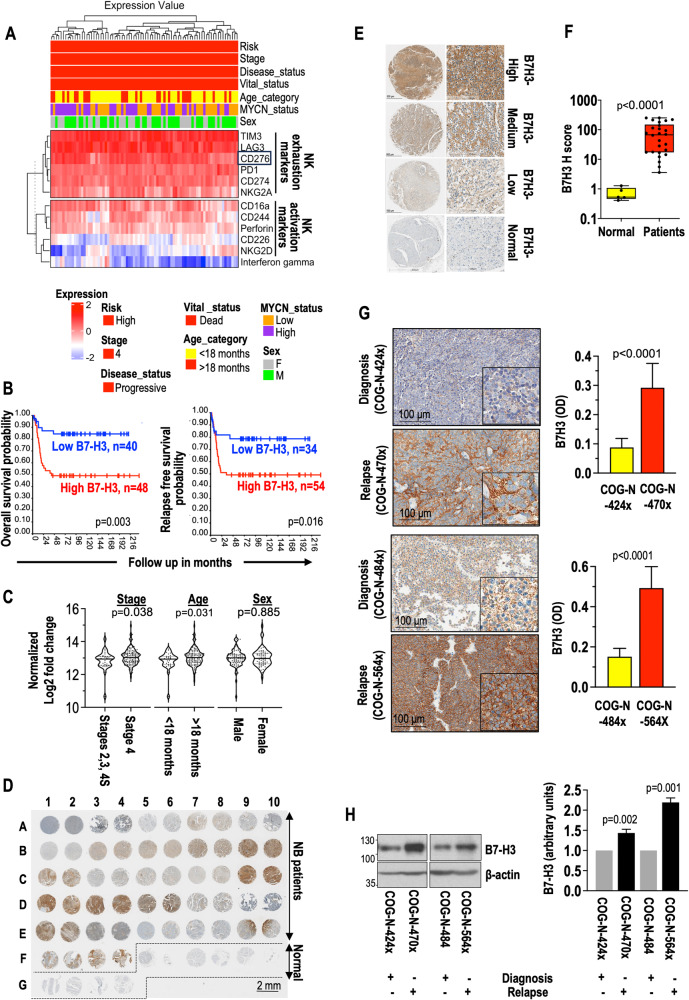
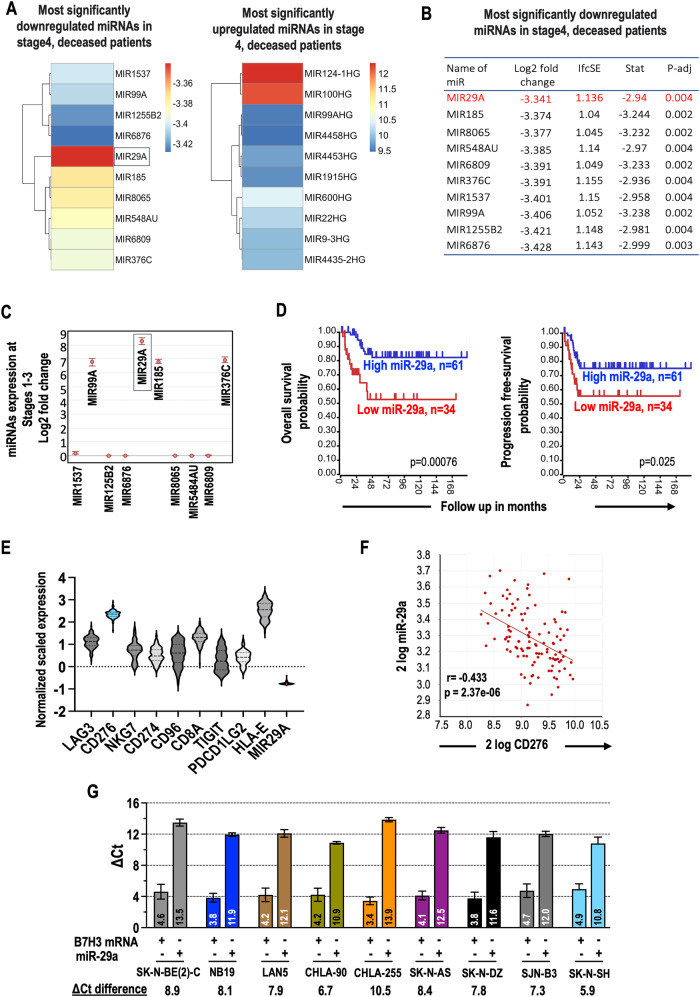
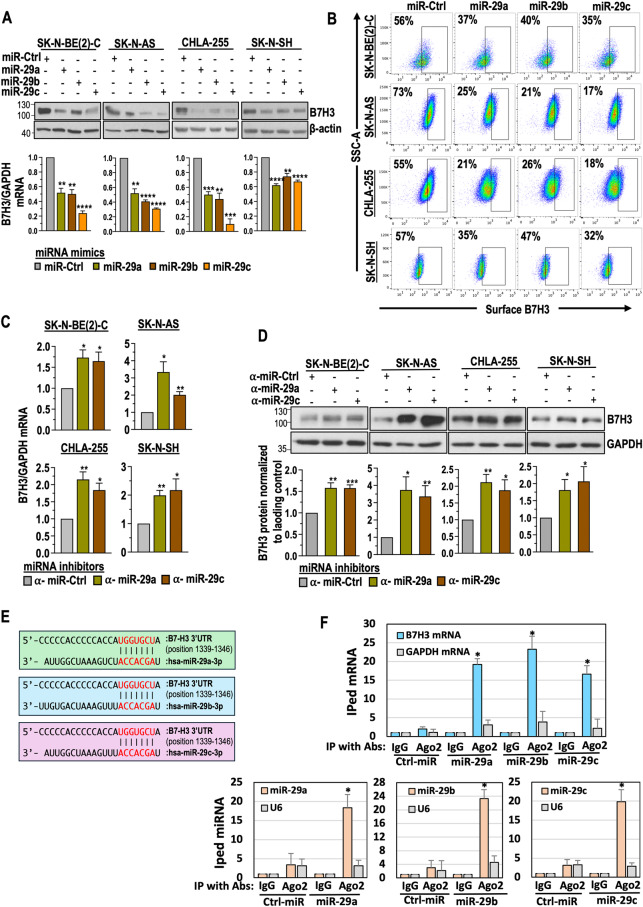
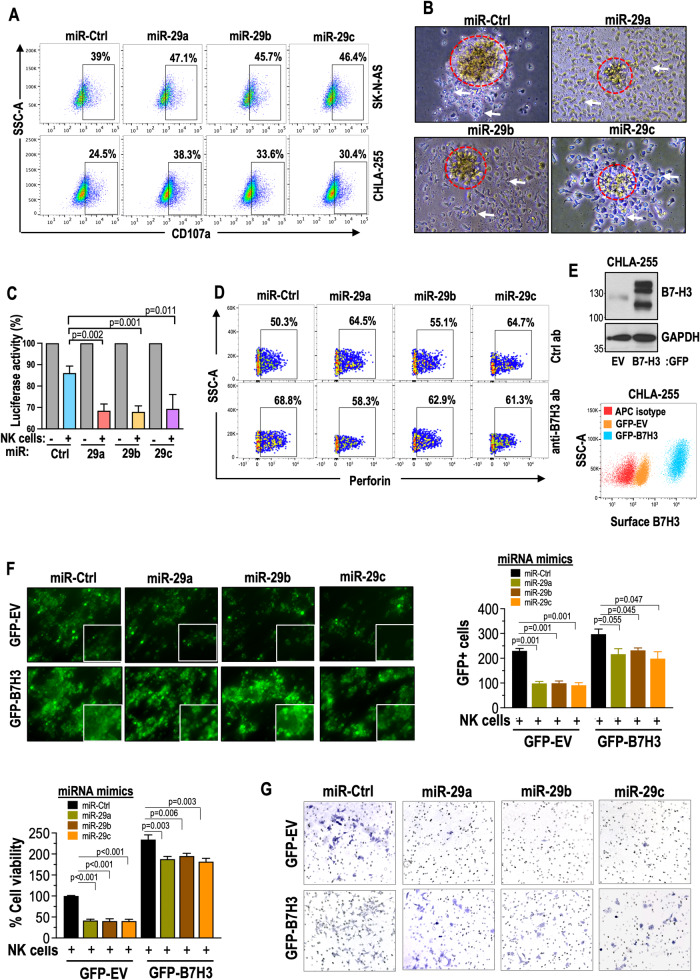
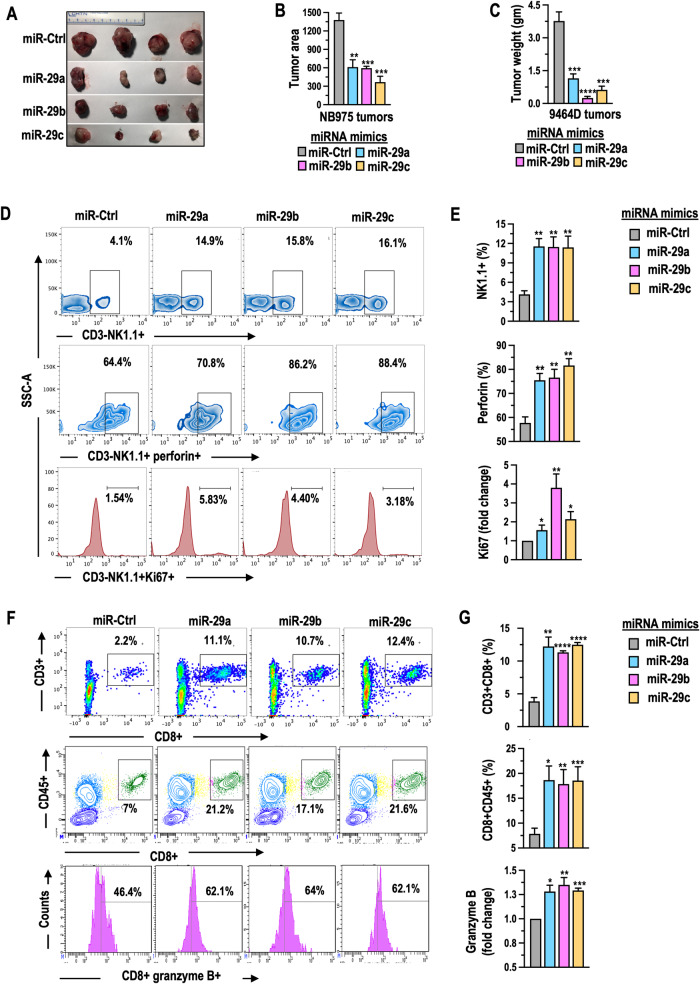
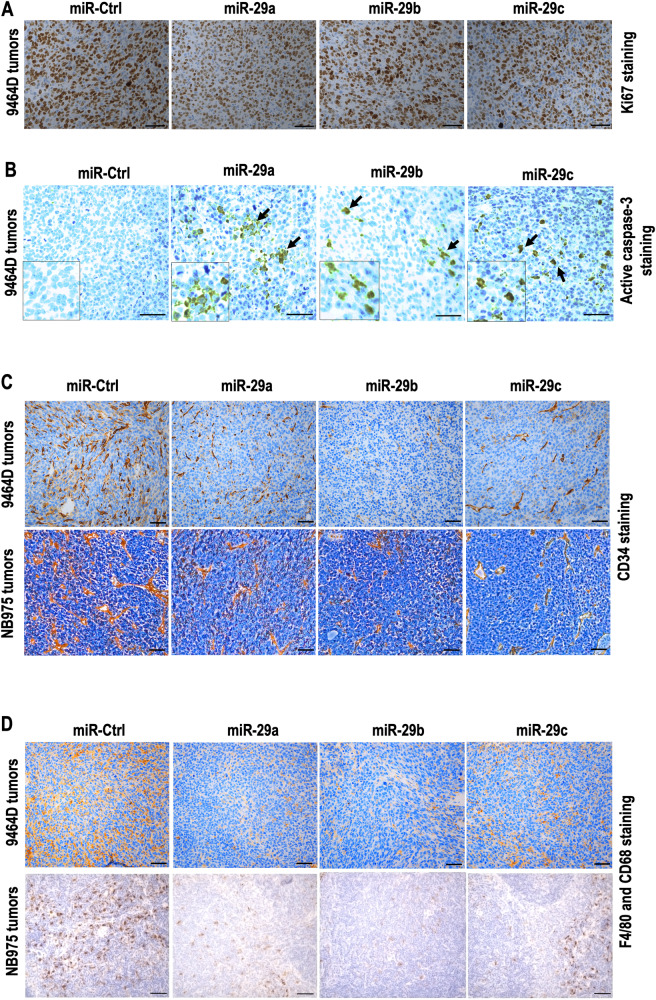
Neuroblastoma (NB) is a highly aggressive pediatric cancer that originates from immature nerve cells, presenting significant treatment challenges due to therapy resistance. Despite intensive treatment, approximately 50% of high-risk NB cases exhibit therapy resistance or experience relapse, resulting in poor outcomes often associated with tumor immune evasion. B7-H3 is an immune checkpoint protein known to inhibit immune responses. MicroRNAs (miRNAs) are small non-coding RNAs involved in post-transcriptional gene regulation. Our study aims to explore the impact of miRNAs on B7-H3 regulation, the anti-tumor immune response, and tumorigenicity in NB. Analysis of NB patients and patient-derived xenograft tumors revealed a correlation between higher B7-H3 expression and poorer patient survival. Notably, deceased patients exhibited a depletion of miR-29 family members (miR-29a, miR-29b, and miR-29c), which displayed an inverse association with B7-H3 expression in NB patients. Overexpression and knockdown experiments demonstrated that these miRNAs degrade B7-H3 mRNA, resulting in enhanced NK cell activation and cytotoxicity. In vivo, experiments provided further evidence that miR-29 family members reduce tumorigenicity, macrophage infiltration, and microvessel density, promote infiltration and activation of NK cells, and induce tumor cell apoptosis. These findings offer a rationale for developing more effective combination treatments that leverage miRNAs to target B7-H3 in NB patients.
© 2024. The Author(s).
Conflict of interest statement
The authors declare no competing interests.
Figures
References
-
- London WB, Castel V, Monclair T, Ambros PF, Pearson AD, Cohn SL, et al. Clinical and biologic features predictive of survival after relapse of neuroblastoma: a report from the International Neuroblastoma Risk Group project. J Clin Oncol. 2011;29:3286–92. doi: 10.1200/JCO.2010.34.3392. - DOI - PMC - PubMed
Publication types
MeSH terms
Substances
LinkOut - more resources
Full Text Sources
Medical
Research Materials
