


Evidence of introduced honeybees (Apis mellifera) as pollen wasters in orchid pollination
- PMID: 38890342
- PMCID: PMC11189403
- DOI: 10.1038/s41598-024-64218-x
Evidence of introduced honeybees (Apis mellifera) as pollen wasters in orchid pollination
Abstract
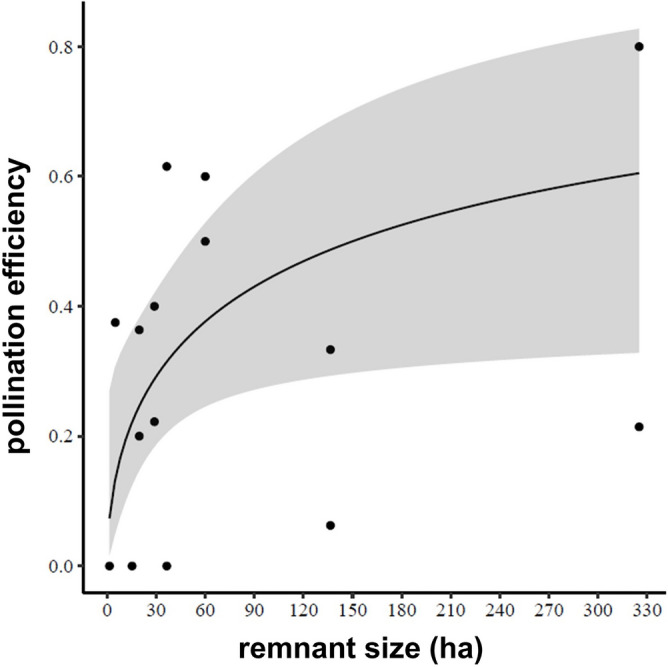
Biological invasions threaten global biodiversity, altering landscapes, ecosystems, and mutualistic relationships like pollination. Orchids are one of the most threatened plant families, yet the impact of invasive bees on their reproduction remains poorly understood. We conduct a global literature survey on the incidence of invasive honeybees (Apis mellifera) on orchid pollination, followed by a study case on Australian orchids. Our literature survey shows that Apis mellifera is the primary alien bee visiting orchids worldwide. However, in most cases, introduced honeybees do not deposit orchid pollen. We also test the extent to which introduced honeybees affect orchid pollination using Diuris brumalis and D. magnifica. Diuris brumalis shows higher fruit set and pollination in habitats with both native and invasive bees compared to habitats with only introduced bees. Male and female reproductive success in D. magnifica increases with native bee abundance, while conversely pollinator efficiency decreases with honeybee abundance and rises with habitat size. Our results suggest that introduced honeybees are likely involved in pollen removal but do not effectively deposit orchid pollen, acting as pollen wasters. However, Apis mellifera may still contribute to pollination of Diuris where native bees no longer exist. Given the global occurrence of introduced honeybees, we warn that certain orchids may suffer from pollen depletion by these invaders, especially in altered habitats with compromised pollination communities.
Keywords: Habitat alteration; Introduced honeybees; Invasive species; Native bees; Orchids; Pollination.
© 2024. The Author(s).
Conflict of interest statement
The authors declare no competing interests.
Figures
References
-
- Traveset A, Richardson DM. Mutualistic interactions and biological invasions. Ann. Rev. Ecol. Evol. Syst. 2014;45:89–113. doi: 10.1146/annurev-ecolsys-120213-091857. - DOI
-
- Goulson D. Effects of introduced bees on native ecosystems. Ann. Rev. Ecol. Evol. Syst. 2003;34:1–26. doi: 10.1146/annurev.ecolsys.34.011802.132355. - DOI
-
- Agüero JI, et al. Impactos de la abeja melífera sobre plantas y abejas silvestres en hábitats naturales. Ecosistemas. 2018;27:60–69. doi: 10.7818/ECOS.1365. - DOI
MeSH terms
Grants and funding
LinkOut - more resources
Full Text Sources
