


Intensification of the SFE Using Ethanol as a Cosolvent and Integration of the SFE Process with sc-CO2 Followed by PLE Using Pressurized Ethanol of Black Soldier Fly (Hermetia illucens L.) Larvae Meal-Extract Yields and Characterization
- PMID: 38890848
- PMCID: PMC11171942
- DOI: 10.3390/foods13111620
Intensification of the SFE Using Ethanol as a Cosolvent and Integration of the SFE Process with sc-CO2 Followed by PLE Using Pressurized Ethanol of Black Soldier Fly (Hermetia illucens L.) Larvae Meal-Extract Yields and Characterization
Abstract
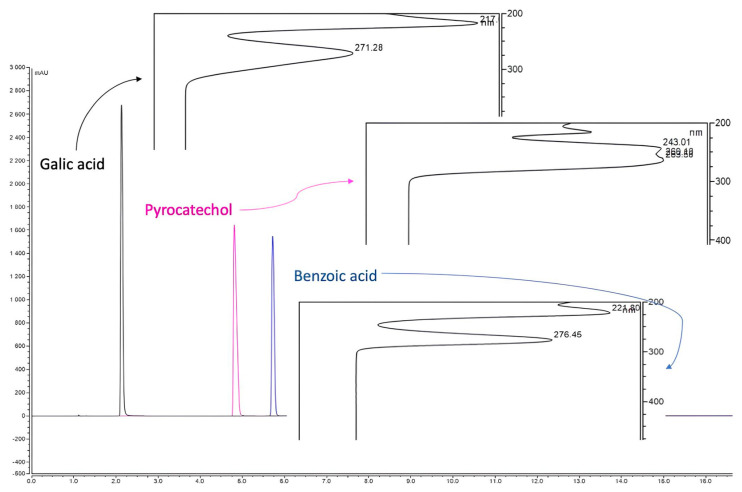
The objective of this research was to investigate and compare the results obtained in the intensification and integration of (sc-CO2) under different pressure conditions (25 and 30 MPa) at 60 °C. When intensifying the process, ethanol (10%) was used as a co-solvent (sc-CO2 + EtOH). In the process integration, black soldier fly larvae flour, defatted via supercritical extraction (SFE), was the raw material for pressurized liquid extraction (PLE) using ethanol as solvent. The extract yields, fatty acid profile, free fatty acids, triacylglycerols (TAGs), oxidative stability, and nutritional quality of the oil obtained using sc-CO2 + EtOH were evaluated. The composition of bioactive compounds (carotenoids, acidity, antioxidant compounds, tocopherols, and phospholipids) was determined in both extracts. The yields of the extracts were different by 32.5 to 53.9%. In the extracts obtained with sc-CO2 + EtOH (10%), the predominant fatty acids were oleic, palmitic, and linoleic, with considerable levels of desirable fatty acids (DFA), tocopherols, and phospholipids. The nutritional indices showed good values for polyunsaturated and saturated fatty acids (PUFAs/SFAs), above 0.45%. Extracts from larvae meal defatted with SFE showed carotenoids, phenolic compounds, and antioxidant activity. HPTLC and HPLC analyses indicated the presence of amino acids, sugars, phenolics, and organic acids in their composition. This study revealed that the supercritical fluid extraction (SFE) process, or its conditions, can modify the fatty acid composition and the presence of minor bioactive compounds in the obtained extracts.
Keywords: anthropoentomophagy; bioactive compounds; extraction processes; fatty acids; insect; sustainable extraction.
Conflict of interest statement
The author declares no conflicts of interest.
Figures


References
-
- Food and Agriculture Organization of the United Nations (FAO) The Future of Food and Agriculture: Trends and Challenges. Food and Agriculture Organization of the United Nations; Rome, Italy: 2017.
-
- de Souza-Vilela J., Andrew N.R., Ruhnke I. Insect protein in animal nutrition. Anim. Prod. Sci. 2019;59:2029–2036. doi: 10.1071/AN19255. - DOI
-
- EFSA Scientific Committee Risk profile related to production and consumption of insects as food and feed. EFSA J. 2015;13:4257. doi: 10.2903/j.efsa.2015.4257. - DOI
-
- Cantero-Bahillo E., Del Hierro J.N., Hernández D.M., Fernández-Felipe M.T., Fornari T., Martin D. Supercritical-CO2 for defatting and production of bioactive extracts from black soldier fly (Hermetia illucens) larvae. J. Insects Food Feed. 2022;8:1441–1453. doi: 10.3920/JIFF2021.0210. - DOI
-
- Cruz V.A., Ferreira N.J., Cornelio-Santiago H.P., Santos G.M.T., Oliveira A.L. Oil extraction from black soldier fly (Hermetia illucens L.) larvae meal by dynamic and intermittent processes of supercritical CO2-Global yield, oil characterization, and solvent consumption. J. Supercrit. Fluids. 2023;195:105861. doi: 10.1016/j.supflu.2023.105861. - DOI
Grants and funding
LinkOut - more resources
Full Text Sources
