


Metabolism and liver toxicity of cannabidiol
- PMID: 38904421
- PMCID: PMC11404724
- DOI: 10.1080/26896583.2024.2366741
Metabolism and liver toxicity of cannabidiol
Abstract
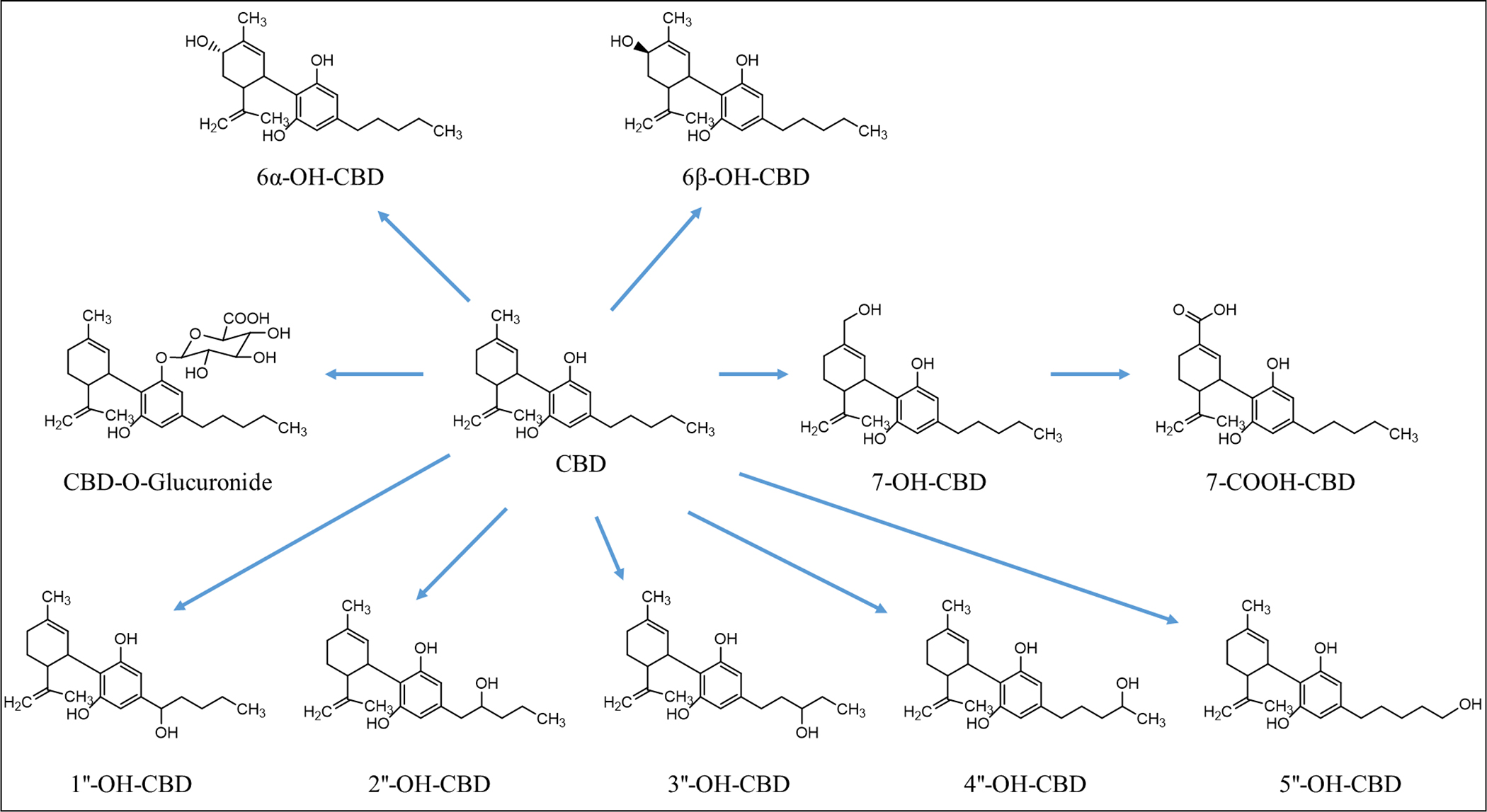
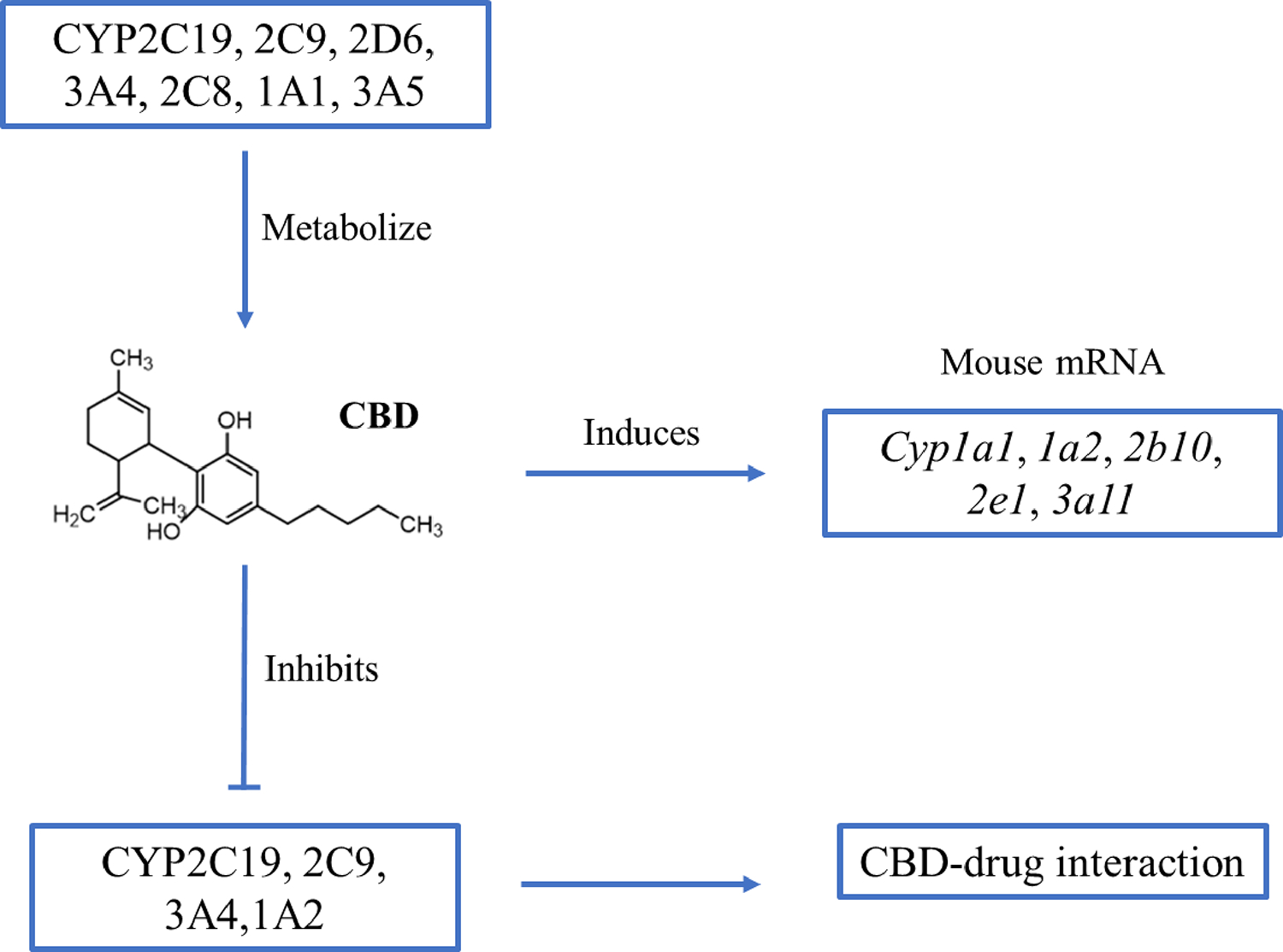
Increasing public interest has resulted in the widespread use of non-pharmaceutical cannabidiol (CBD) products. The sales of CBD products continue to rise, accompanied by concerns regarding unsubstantiated benefits, lack of product quality control, and potential health risks. Both animal and human studies have revealed a spectrum of toxicological effects linked to the use of CBD. Adverse effects related to exposure of humans to CBD include changes in appetite, gastrointestinal discomfort, fatigue, and elevated liver aminotransferase enzymes. Animal studies reported changes in organ weight, reproduction, liver function, and the immune system. This review centers on human-derived data, including clinical studies and in vitro investigations. Animal studies are also included when human data is not available. The objective is to offer an overview of CBD-related hepatotoxicity, metabolism, and potential CBD-drug interactions, thereby providing insights into the current understanding of CBD's impact on human health. It's important to note that this review does not serve as a risk assessment but seeks to summarize available information to contribute to the broader understanding of potential toxicological effects of CBD on the liver.
Keywords: CBD; Cannabidiol; liver toxicity; metabolism; toxicity.
Conflict of interest statement
Figures
References
-
- The National Academies of Sciences E, Medicine. . The Health Effects of Cannabis and Cannabinoids: The Current State of Evidence and Recommendations for Research. Washington, DC: The National Academies Press, 2017. https://nap.nationalacademies.org/catalog/24625/the-health-effects-of-ca.... 2017. doi: 10.3390/nu14102152. - DOI - PubMed
Publication types
MeSH terms
Substances
Grants and funding
LinkOut - more resources
Full Text Sources