


Genome editing using CRISPR, CAST, and Fanzor systems
- PMID: 38909984
- PMCID: PMC11278801
- DOI: 10.1016/j.mocell.2024.100086
Genome editing using CRISPR, CAST, and Fanzor systems
Abstract
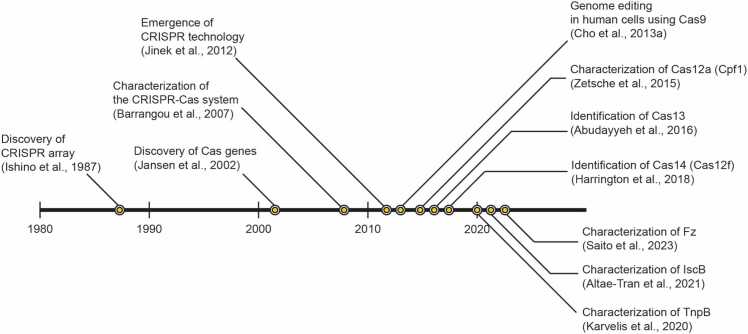
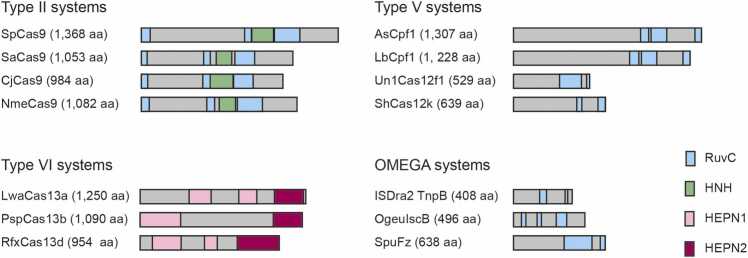
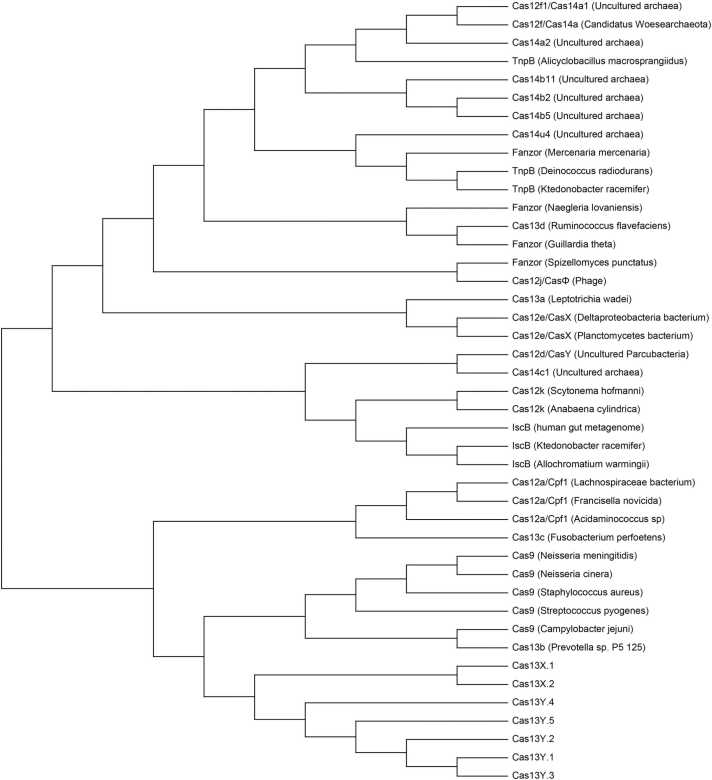
Genetic engineering technologies are essential not only for basic science but also for generating animal models for therapeutic applications. The clustered regularly interspaced short palindromic repeats (CRISPR)-CRISPR-associated protein (Cas) system, derived from adapted prokaryotic immune responses, has led to unprecedented advancements in the field of genome editing because of its ability to precisely target and edit genes in a guide RNA-dependent manner. The discovery of various types of CRISPR-Cas systems, such as CRISPR-associated transposons (CASTs), has resulted in the development of novel genome editing tools. Recently, research has expanded to systems associated with obligate mobile element guided activity (OMEGA) RNAs, including ancestral CRISPR-Cas and eukaryotic Fanzor systems, which are expected to complement the conventional CRISPR-Cas systems. In this review, we briefly introduce the features of various CRISPR-Cas systems and their application in diverse animal models.
Keywords: Clustered regularly interspaced short palindromic repeats-associated protein; Clustered regularly interspaced short palindromic repeats-associated transposons; Fanzor; Genome editing; IscB; TnpB.
Copyright © 2024 The Author(s). Published by Elsevier Inc. All rights reserved.
Conflict of interest statement
Declaration of Competing Interests The authors declare that they have no known competing financial interests or personal relationships that could have appeared to influence the work reported in this paper.
Figures
References
Publication types
MeSH terms
Substances
LinkOut - more resources
Full Text Sources
Miscellaneous
