


Steroidogenic cytochrome P450 enzymes as drug target
- PMID: 38911541
- PMCID: PMC11187042
- DOI: 10.1007/s43188-024-00237-0
Steroidogenic cytochrome P450 enzymes as drug target
Abstract
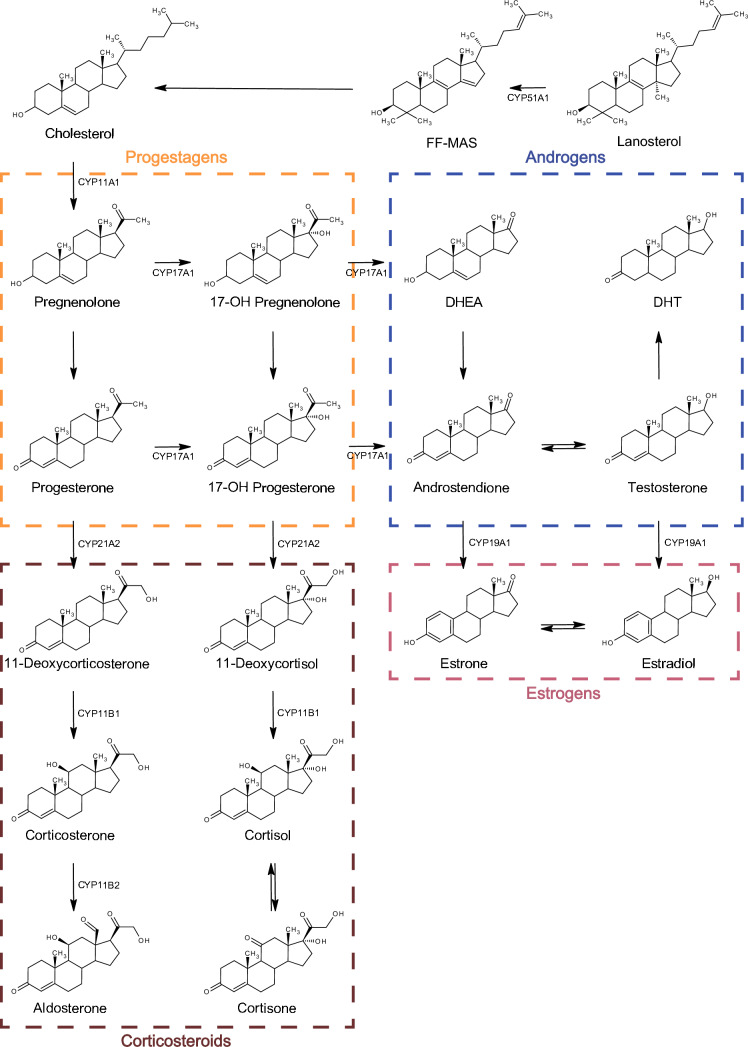
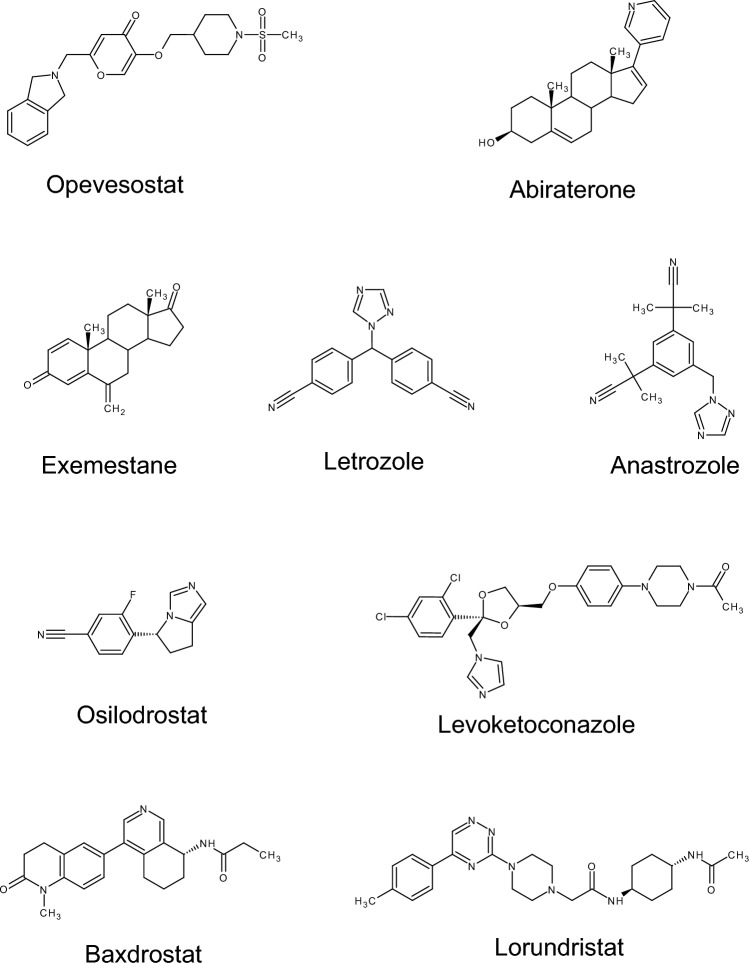
Human cytochrome P450 (CYP) enzymes are composed of 57 individual enzymes that perform monooxygenase activities. They have diverse physiological roles in metabolizing xenobiotics and producing important endogenous compounds, such as steroid hormones and vitamins. At least seven CYP enzymes are involved in steroid biosynthesis. Steroidogenesis primarily occurs in the adrenal glands and gonads, connecting each reaction to substrates and products. Steroids are essential for maintaining life and significantly contribute to sexual differentiation and reproductive functions within the body. Disorders in steroid biosynthesis can frequently cause serious health problems and lead to the development of diseases, such as prostate cancer, breast cancer, and Cushing's syndrome. In this review, we provide current updated knowledge on the major CYP enzymes involved in the biosynthetic process of steroids, with respect to their enzymatic mechanisms and clinical implications for the development of new drug candidates.
Keywords: CYP11A1; CYP11B1; CYP11B2; CYP17A1; CYP19A1; Cytochrome P450.
© The Author(s) under exclusive licence to Korean Society of Toxicology 2024. Springer Nature or its licensor (e.g. a society or other partner) holds exclusive rights to this article under a publishing agreement with the author(s) or other rightsholder(s); author self-archiving of the accepted manuscript version of this article is solely governed by the terms of such publishing agreement and applicable law.
Conflict of interest statement
Conflict of interestThe authors declare that they have no conflicts of interest regarding the content of this article.
Figures



References
Publication types
LinkOut - more resources
Full Text Sources
