


Down Syndrome and Autoimmune Disease
- PMID: 38913142
- PMCID: PMC11422465
- DOI: 10.1007/s12016-024-08996-2
Down Syndrome and Autoimmune Disease
Abstract
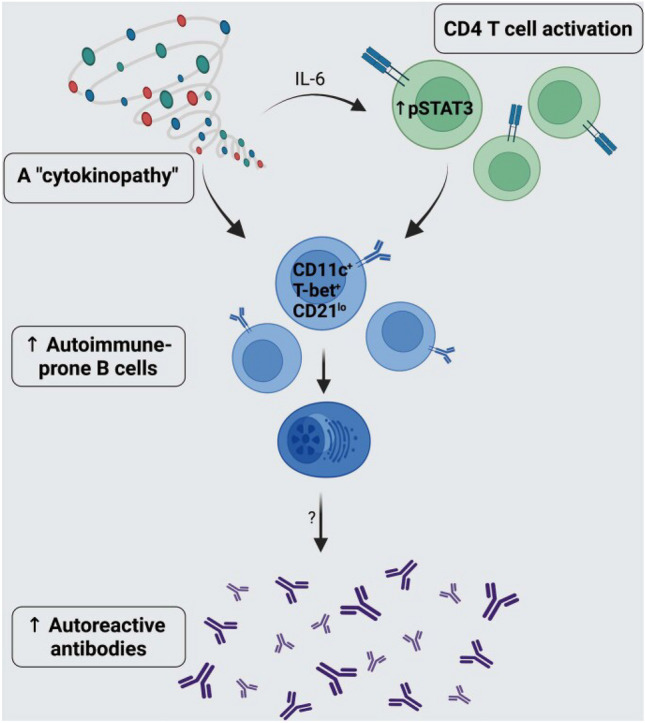
Down syndrome is the most common genetic cause of intellectual disability and has previously been associated with a variety of autoimmune disorders affecting multiple organ systems. The high prevalence of autoimmune disease, in conjunction with other inflammatory and infectious diseases, in this population suggests an intrinsic immune dysregulation associated with triplication of chromosome 21. Emerging data on the role of chromosome 21 in interferon activation, cytokine production, and activation of B-cell mediated autoimmunity are emerging hypotheses that may explain the elevated prevalence of autoimmune thyroid disease, celiac disease, type I diabetes, autoimmune skin disease, and a variety of autoimmune neurologic conditions. As the life expectancy for individuals with Down syndrome increases, knowledge of the epidemiology, clinical features, management and underlying causes of these conditions will become increasingly important. Disorders such as Hashimoto's thyroiditis are prevalent in between 13 and 34% of individuals with Down syndrome but only 3% of the neurotypical population, a pattern similarly recognized in individuals with Celiac Disease (5.8% v 0.5-2%), alopecia areata (27.7% v. 2%), and vitiligo (4.4% v. 0.05-1.55%), respectively. Given the chronicity of autoimmune conditions, early identification and management can significantly impact the quality of life of individuals with Down syndrome. This comprehensive review will highlight common clinical autoimmune conditions observed in individuals with Down syndrome and explore our current understanding of the mechanisms of disease in this population.
Keywords: Autoimmunity; Chromosome 21; Down syndrome; Immune dysregulation.
© 2024. The Author(s).
Conflict of interest statement
The authors declare no competing interests.
Figures

References
-
- de Graaf G, Buckley F, Skotko BG (2016) Live births, natural losses, and elective terminations with Down syndrome in Massachusetts. Genet Med 18:459–466 - PubMed
Publication types
MeSH terms
Grants and funding
LinkOut - more resources
Full Text Sources
Medical
Research Materials
