


Gynotoxic Effects of Chemotherapy and Potential Protective Mechanisms
- PMID: 38927992
- PMCID: PMC11202309
- DOI: 10.3390/cancers16122288
Gynotoxic Effects of Chemotherapy and Potential Protective Mechanisms
Abstract
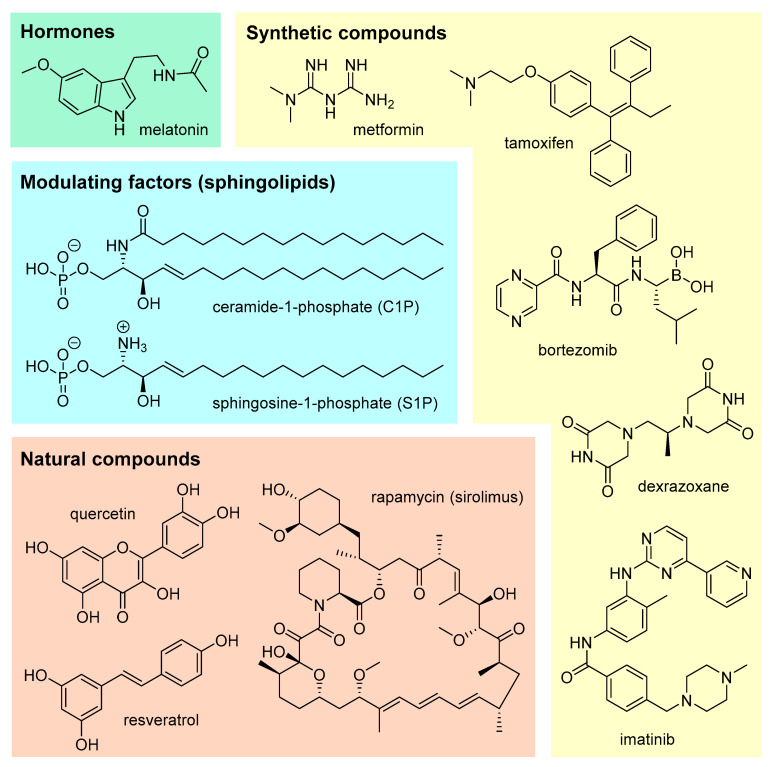
Chemotherapy is one of the leading cancer treatments. Unfortunately, its use can contribute to several side effects, including gynotoxic effects in women. Ovarian reserve suppression and estrogen deficiency result in reduced quality of life for cancer patients and are frequently the cause of infertility and early menopause. Classic alkylating cytostatics are among the most toxic chemotherapeutics in this regard. They cause DNA damage in ovarian follicles and the cells they contain, and they can also induce oxidative stress or affect numerous signaling pathways. In vitro tests, animal models, and a few studies among women have investigated the effects of various agents on the protection of the ovarian reserve during classic chemotherapy. In this review article, we focused on the possible beneficial effects of selected hormones (anti-Müllerian hormone, ghrelin, luteinizing hormone, melatonin), agents affecting the activity of apoptotic pathways and modulating gene expression (C1P, S1P, microRNA), and several natural (quercetin, rapamycin, resveratrol) and synthetic compounds (bortezomib, dexrazoxane, goserelin, gonadoliberin analogs, imatinib, metformin, tamoxifen) in preventing gynotoxic effects induced by commonly used cytostatics. The presented line of research appears to provide a promising strategy for protecting and/or improving the ovarian reserve in the studied group of cancer patients. However, well-designed clinical trials are needed to unequivocally assess the effects of these agents on improving hormonal function and fertility in women treated with ovotoxic anticancer drugs.
Keywords: breast cancer; chemotherapy; gynecological cancers; ovarian function; ovarian reserve; ovotoxicity; protective factors.
Conflict of interest statement
The authors declare no conflicts of interest.
Figures
References
-
- Monniaux D., Cadoret V., Clément F., Dalbies-Tran R., Elis S., Fabre S., Maillard V., Monget P., Uzbekova S. Encyclopedia of Endocrine Diseases. 2nd ed. Elsevier; Amsterdam, The Netherlands: 2019. Folliculogenesis; pp. 377–398. - DOI
Publication types
LinkOut - more resources
Full Text Sources
