


Sulfated Laminarin Polysaccharides Reduce the Adhesion of Nano-COM Crystals to Renal Epithelial Cells by Inhibiting Oxidative and Endoplasmic Reticulum Stress
- PMID: 38931471
- PMCID: PMC11206474
- DOI: 10.3390/ph17060805
Sulfated Laminarin Polysaccharides Reduce the Adhesion of Nano-COM Crystals to Renal Epithelial Cells by Inhibiting Oxidative and Endoplasmic Reticulum Stress
Abstract
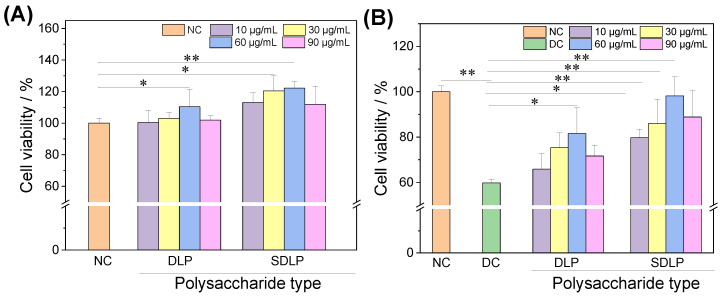
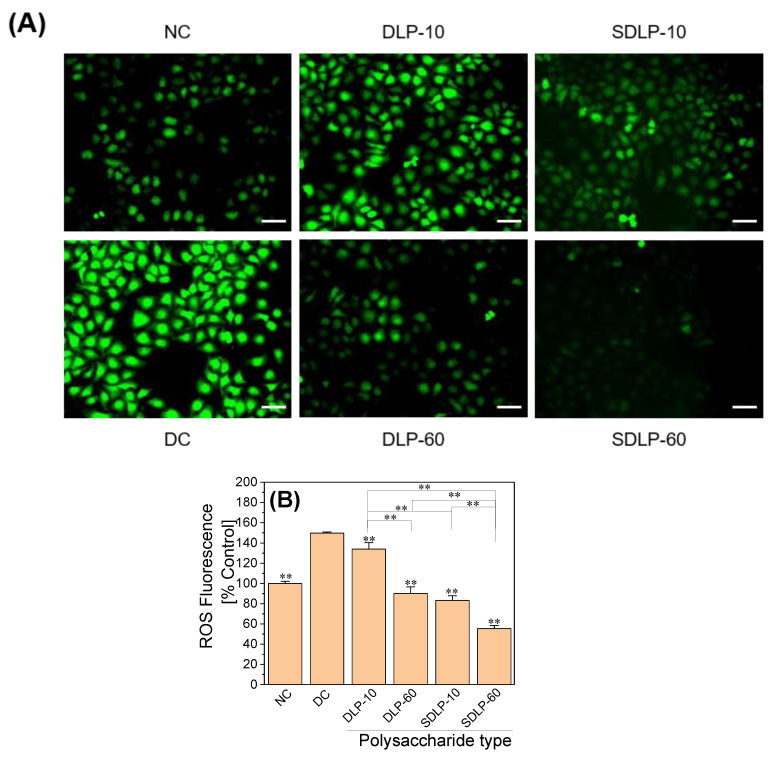
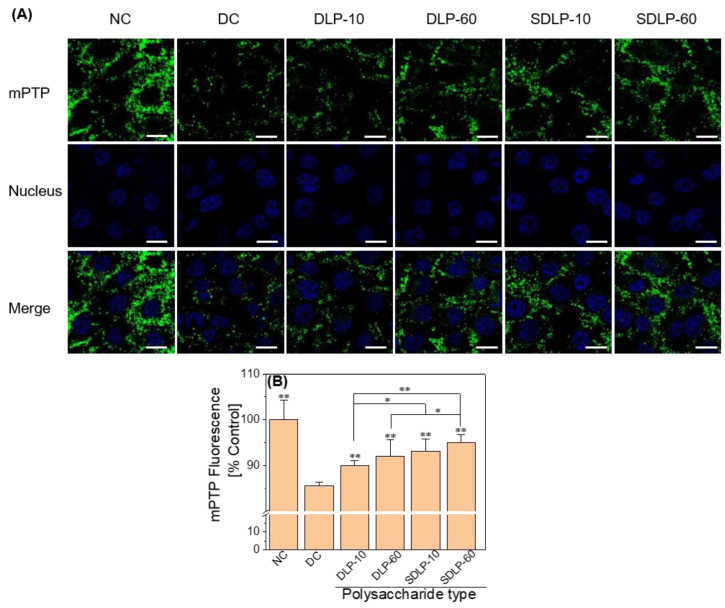
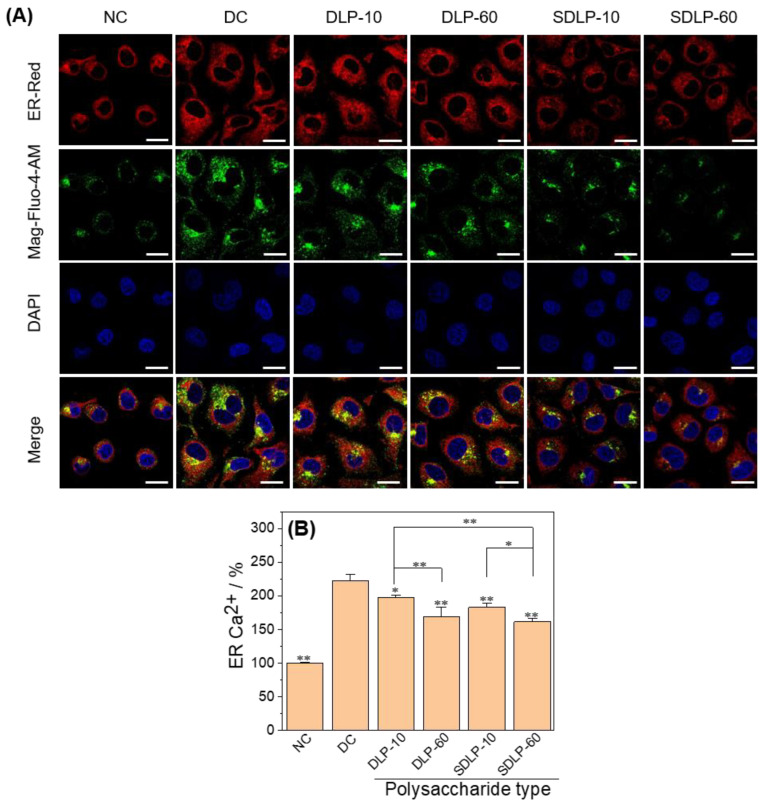
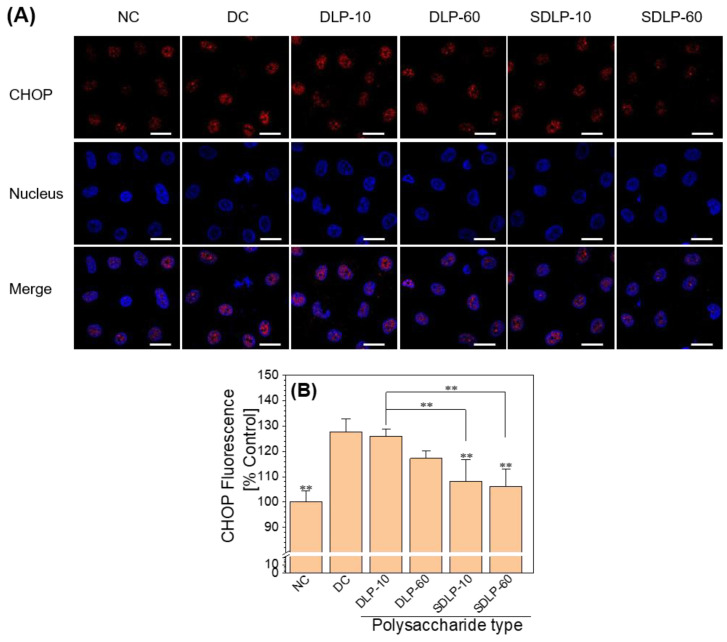
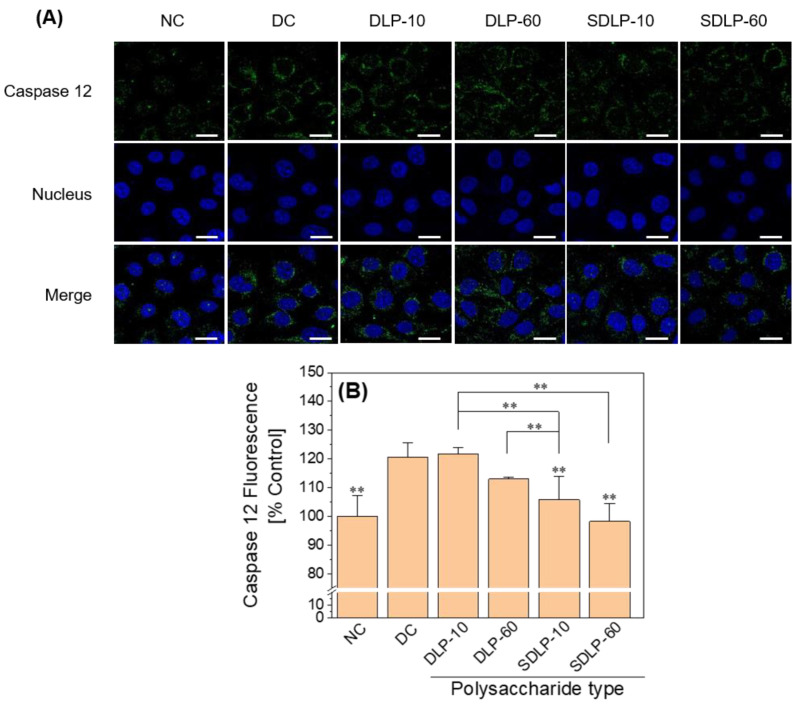
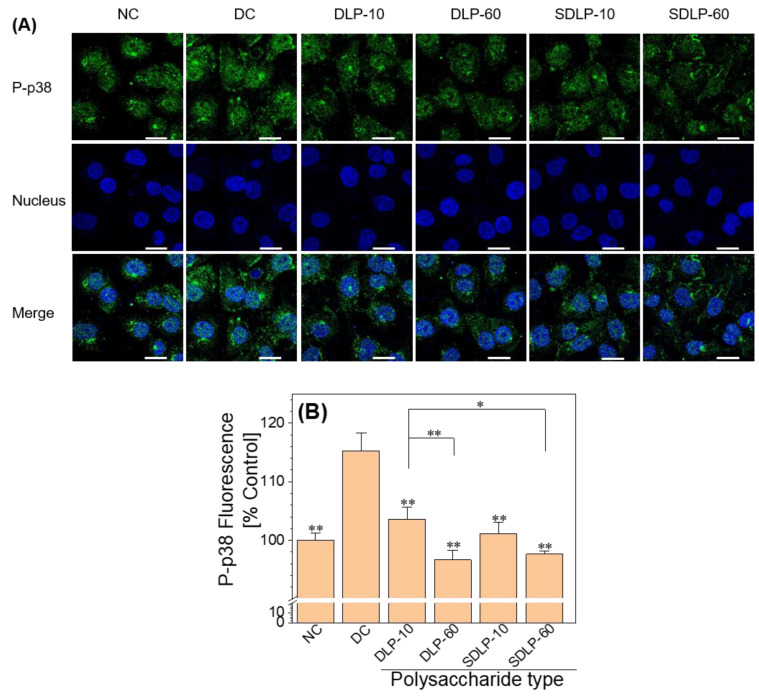
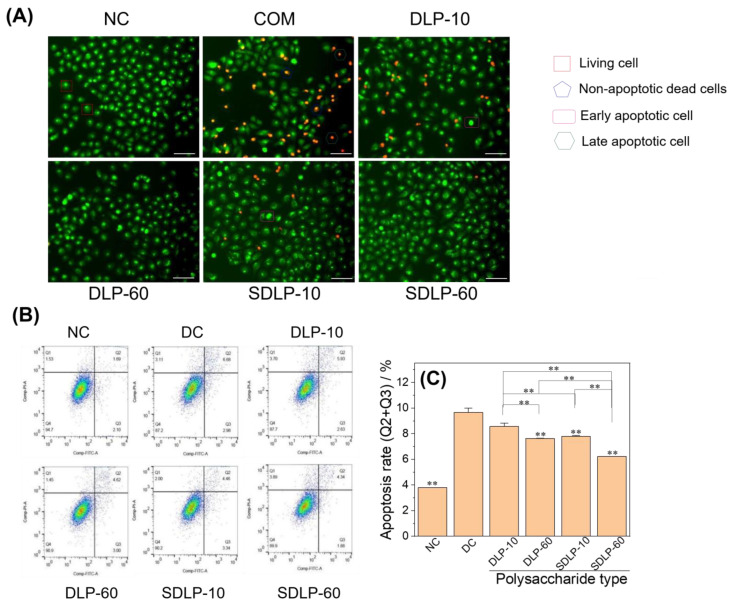
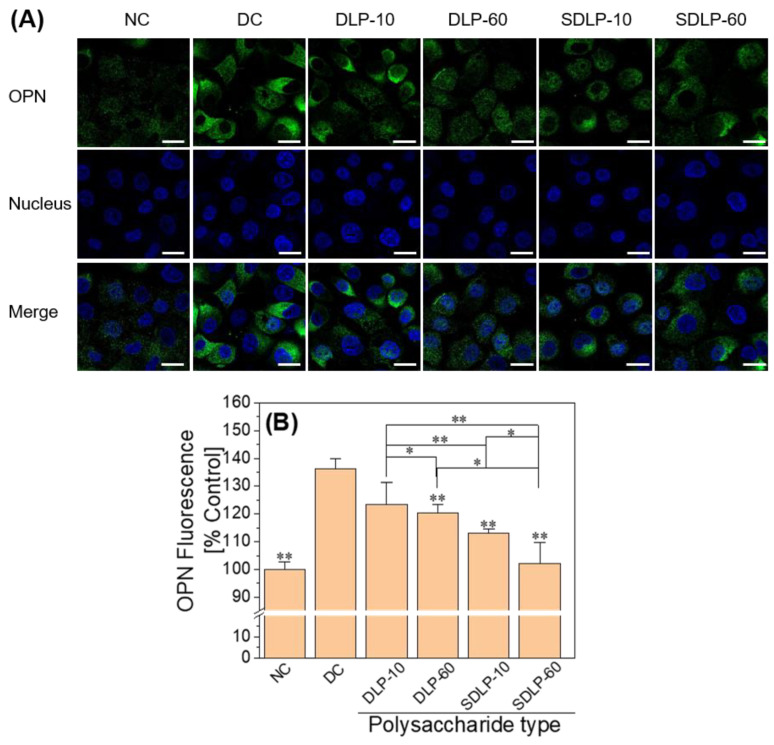
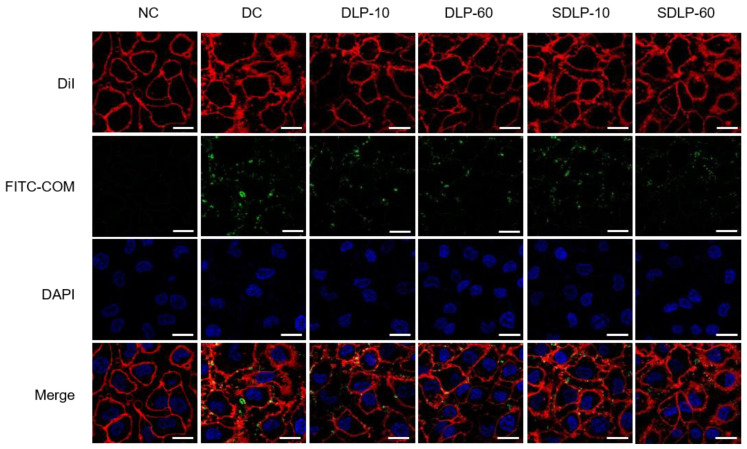
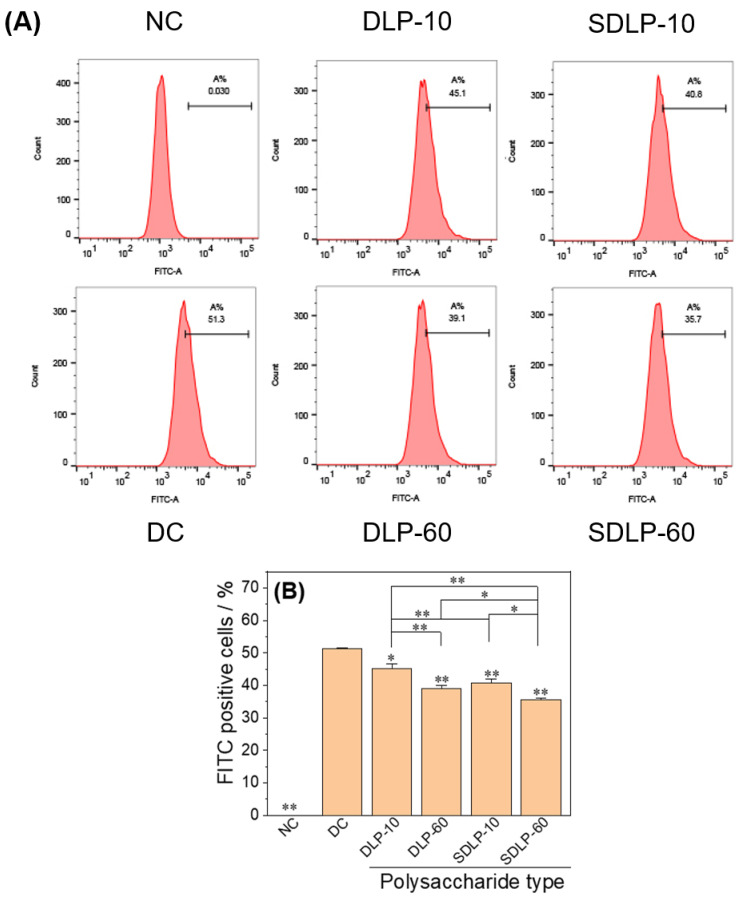
Purpose: Adhesion between calcium oxalate crystals and renal tubular epithelial cells is a vital cause of renal stone formation; however, the drugs that inhibit crystal adhesion and the mechanism of inhibition have yet to be explored. Methods: The cell injury model was constructed using nano-COM crystals, and changes in oxidative stress levels, endoplasmic reticulum (ER) stress levels, downstream p38 MAPK protein expression, apoptosis, adhesion protein osteopontin expression, and cell-crystal adhesion were examined in the presence of Laminarin polysaccharide (DLP) and sulfated DLP (SDLP) under protected and unprotected conditions. Results: Both DLP and SDLP inhibited nano-COM damage to human kidney proximal tubular epithelial cell (HK-2), increased cell viability, decreased ROS levels, reduced the opening of mitochondrial membrane permeability transition pore, markedly reduced ER Ca2+ ion concentration and adhesion molecule OPN expression, down-regulated the expression of ER stress signature proteins including CHOP, Caspase 12, and p38 MAPK, and decreased the apoptosis rate of cells. SDLP has a better protective effect on cells than DLP. Conclusions: SDLP protects HK-2 cells from nano-COM crystal-induced apoptosis by reducing oxidative and ER stress levels and their downstream factors, thereby reducing crystal-cell adhesion interactions and the risks of kidney stone formation.
Keywords: apoptosis; crystal adhesion; endoplasmic reticulum stress; sulfated polysaccharide.
Conflict of interest statement
The authors declare no conflict of interest.
Figures
References
-
- Li X., Chen S., Feng D., Fu Y., Wu H., Lu J., Bao J. Calcium-sensing receptor promotes calcium oxalate crystal adhesion and renal injury in Wistar rats by promoting ROS production and subsequent regulation of PS ectropion, OPN, KIM-1, and ERK expression. Ren. Fail. 2021;43:465–476. doi: 10.1080/0886022X.2021.1881554. - DOI - PMC - PubMed
Grants and funding
LinkOut - more resources
Full Text Sources
Research Materials
Miscellaneous
