


Understanding and predicting pregnancy termination in Bangladesh: A comprehensive analysis using a hybrid machine learning approach
- PMID: 38941421
- PMCID: PMC11466173
- DOI: 10.1097/MD.0000000000038709
Understanding and predicting pregnancy termination in Bangladesh: A comprehensive analysis using a hybrid machine learning approach
Abstract
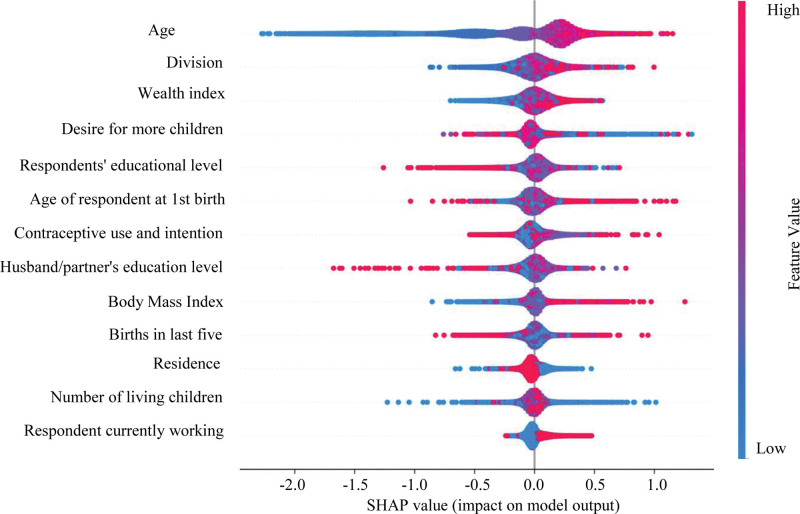
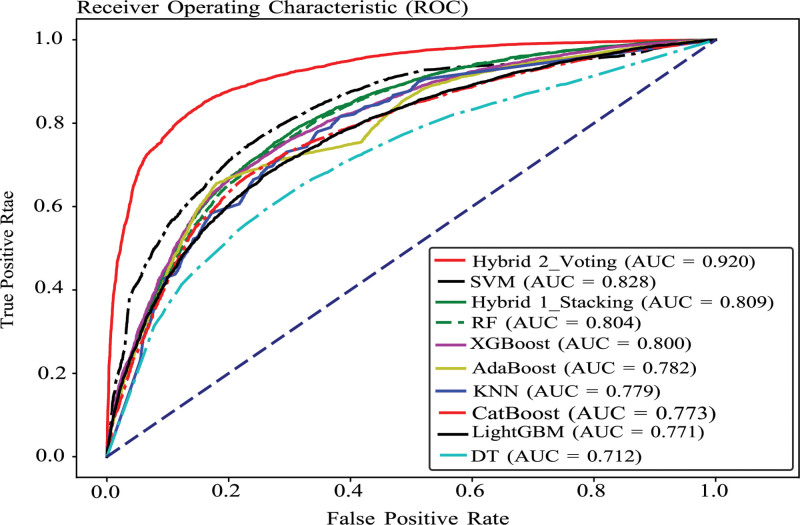
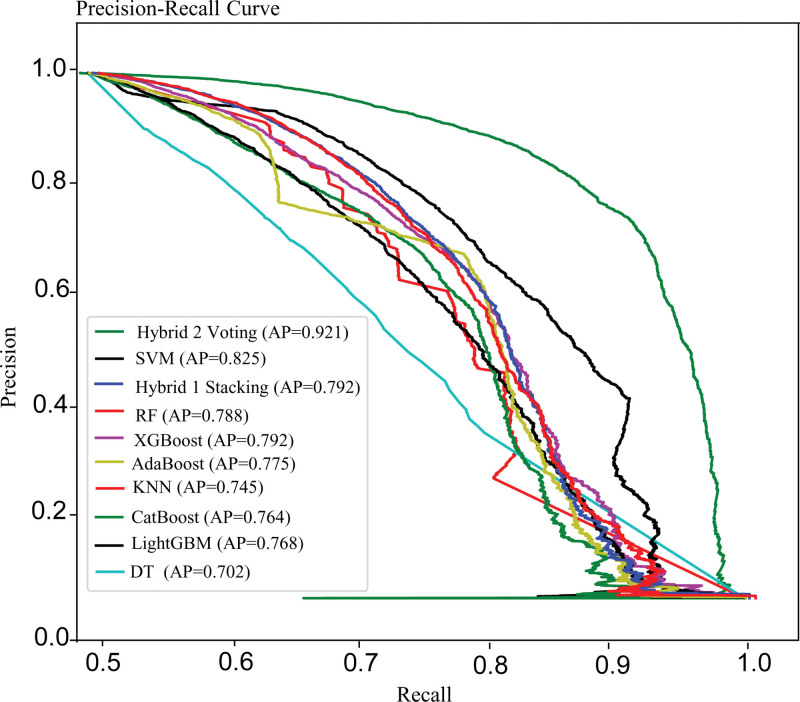
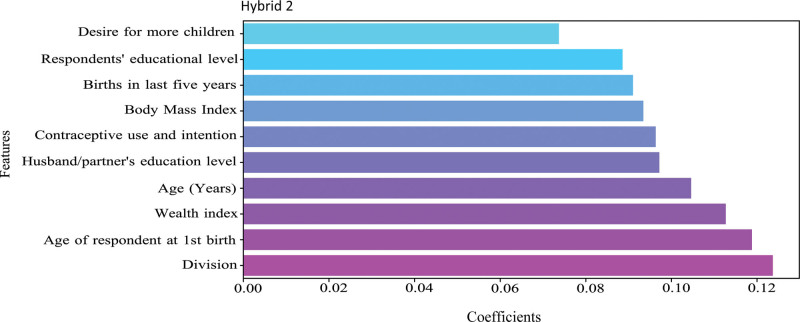
Reproductive health issues, including unsafe pregnancy termination, remain a significant concern for women in developing nations. This study focused on investigating and predicting pregnancy termination in Bangladesh by employing a hybrid machine learning approach. The analysis used data from the Bangladesh Demographic and Health Surveys conducted in 2011, 2014, and 2017 to 2018. Ten independent variables, encompassing factors such as age, residence, division, wealth index, working status, BMI, total number of children ever born, recent births, and number of living children, were examined for their potential associations with pregnancy termination. The dataset undergoes preprocessing, addressing missing values and balancing class distributions. To predict pregnancy termination, 8 classical machine learning models and hybrid models were used in this study. The models' performance was evaluated based on the area under the curve, precision, recall, and F1 score. The results highlighted the effectiveness of the hybrid models, particularly the Voting hybrid model (area under the curve: 91.97; precision: 84.14; recall: 83.87; F1 score: 83.84), in accurately predicting pregnancy termination. Notable predictors include age, division, and wealth index. These findings hold significance for policy interventions aiming to reduce pregnancy termination rates, emphasizing the necessity for tailored approaches that consider regional disparities and socioeconomic factors. Overall, the study demonstrates the efficacy of hybrid machine learning models in comprehending and forecasting pregnancy termination, offering valuable insights for reproductive health initiatives in Bangladesh and similar contexts.
Copyright © 2024 the Author(s). Published by Wolters Kluwer Health, Inc.
Conflict of interest statement
The authors have no funding and conflicts of interest to disclose.
Figures
References
-
- Coast E, Norris A, Moore AM, et al. . Trajectories of women’s abortion-related care: a conceptual framework. Soc Sci Med. 2018;200:199–210. - PubMed
-
- Singh S, Hossain A, Maddow-Zimet I, et al. . The incidence of menstrual regulation procedures and abortion in Bangladesh, 2014. Int Perspect Sex Reprod Health. 2017;43:1–11. - PubMed
-
- Bongaarts J. Trends in unwanted childbearing in the developing world. Stud Family Planning. 1997;28:267–77. - PubMed
MeSH terms
LinkOut - more resources
Full Text Sources
Medical
