Review
. 2024 Jul;56(7):1355-1365.
doi: 10.1038/s41588-024-01794-8. Epub 2024 Jul 1.

Mitochondrial genetics through the lens of single-cell multi-omics

Affiliations
Review

Mitochondrial genetics through the lens of single-cell multi-omics

Lena Nitsch et al. Nat Genet. 2024 Jul.

Abstract

Mitochondria carry their own genetic information encoding for a subset of protein-coding genes and translational machinery essential for cellular respiration and metabolism. Despite its small size, the mitochondrial genome, its natural genetic variation and molecular phenotypes have been challenging to study using bulk sequencing approaches, due to its variation in cellular copy number, non-Mendelian modes of inheritance and propensity for mutations. Here we highlight emerging strategies designed to capture mitochondrial genetic variation across individual cells for lineage tracing and studying mitochondrial genetics in primary human cells and clinical specimens. We review recent advances surrounding single-cell mitochondrial genome sequencing and its integration with functional genomic readouts, including leveraging somatic mitochondrial DNA mutations as clonal markers that can resolve cellular population dynamics in complex human tissues. Finally, we discuss how single-cell whole mitochondrial genome sequencing approaches can be utilized to investigate mitochondrial genetics and its contribution to cellular heterogeneity and disease.


Conflict of interest statement

Competing interests

The Broad Institute has filed for patents relating to the use of technologies described in this paper where C.A.L. and L.S.L., are named inventors (US patent applications 17/251,451 and 17/928,696). C.A.L. and L.S.L. are consultants to Cartography Biosciences. L.N. declares no competing interests.

Figures
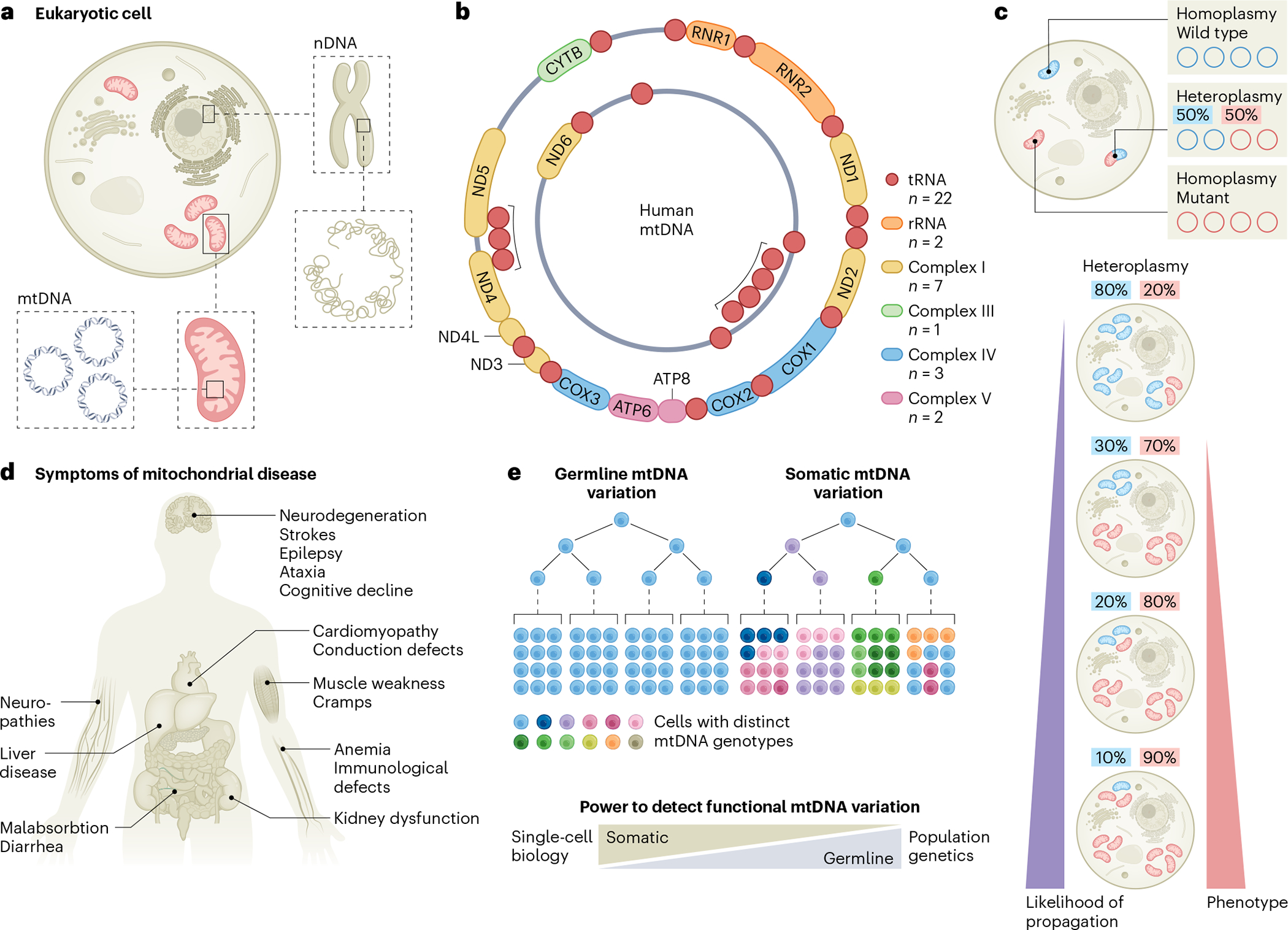
Fig. 1 |
Fig. 1 |. Fundamental aspects of mitochondrial genetics.
a, Schematic illustrating the physical separation of the set of linear chromosomes representing the nuclear genome and mtDNA located in mitochondria. b, Schematic of the double-stranded, circular mitochondrial genome encoding 22 tRNAs and 2 rRNAs alongside 13 protein-coding genes, which contribute to indicated complexes of the respiratory chain (I, III, IV and V; color-coded). c, Individual cells have multiple mitochondria with potentially multiple copies of mtDNA. Each copy may have unique mutations leading to a state of heteroplasmy. As such, individual mitochondria, as well as cells, may have different allele frequencies of any given mutation. While low-allele-frequency variants may be more dynamic, also given the natural turnover of mitochondria and mtDNA within, individual mtDNA mutations may reach high allele frequencies, even up to homoplasmy owing to, for example, genetic drift. With increasing heteroplasmy, the likelihood of their stable propagation across cell divisions is increased, serving as natural genetic barcodes of clonality. Pathogenic mtDNA mutations may show variable phenotypic effects as a function of heteroplasmy, with a high mutational burden leading to pronounced cellular pathology and human disease. d, Various organ systems may be affected in patients with mitochondrial disorders. e, Germline mtDNA variants, including mtDNA haplotypes, exhibit largely no variation among cells of a single individual. By contrast, a major fraction of cells may develop unique mitochondrial genomes due to somatic mutations that may arise with age. Emerging single-cell omics approaches now enable a more sensitive detection of rare and functionally relevant mtDNA mutations compared to widely used population-based genetic approaches. Panel b adapted from ref. , Springer Nature Limited.
Fig. 2 |
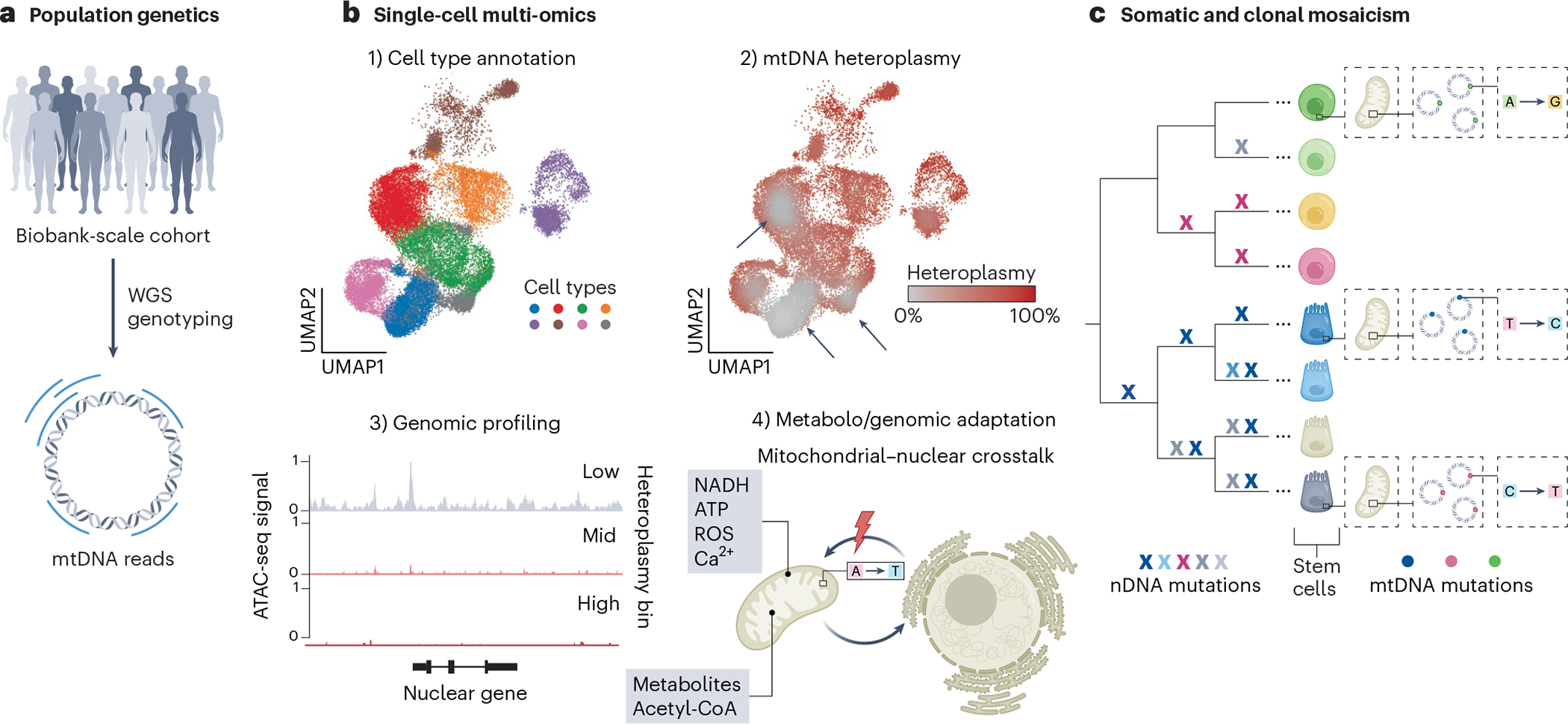
Fig. 2 |. Emerging biomedical research avenues of mtDNA.
a, Large-scale population genetic studies using genotyping and WGS have revealed a multitude of complex mitochondrial genetic associations surrounding human disease and traits. b, Single-cell multi-omics approaches enable the study of mtDNA genetic variation across (1) cell types and states as identified by transcriptome or chromatin profiling and can reveal (2) selection dynamics of pathogenic mtDNA variants as evident by their depletion in specific cell types (arrows). (3) They further enable the profiling of genomic states as a function of heteroplasmy (that is, low, intermediate or high levels of a pathogenic variant) and may (4) aid in further investigating how alterations in mitochondrial genetic integrity lead to nuclear genomic responses and more generally affect mitochondrial–nuclear crosstalk, including by small metabolites. ROS, reactive oxygen species; UMAP, uniform manifold approximation and projection. c, The constant acquisition of somatic mtDNA mutations contributes to a high degree of cellular genetic mosaicism, which may also be leveraged to trace cellular lineages and clonal population dynamics. Although nDNA mutations arise over individual cell divisions and so enable a retrospective inference of high-resolution phylogenies, their detection in WGS remains costly and is not yet readily scalable at the single-cell level. By contrast, somatically arising mtDNA mutations may mark individual adult stem cells and their clonal progeny.
Fig. 3 |
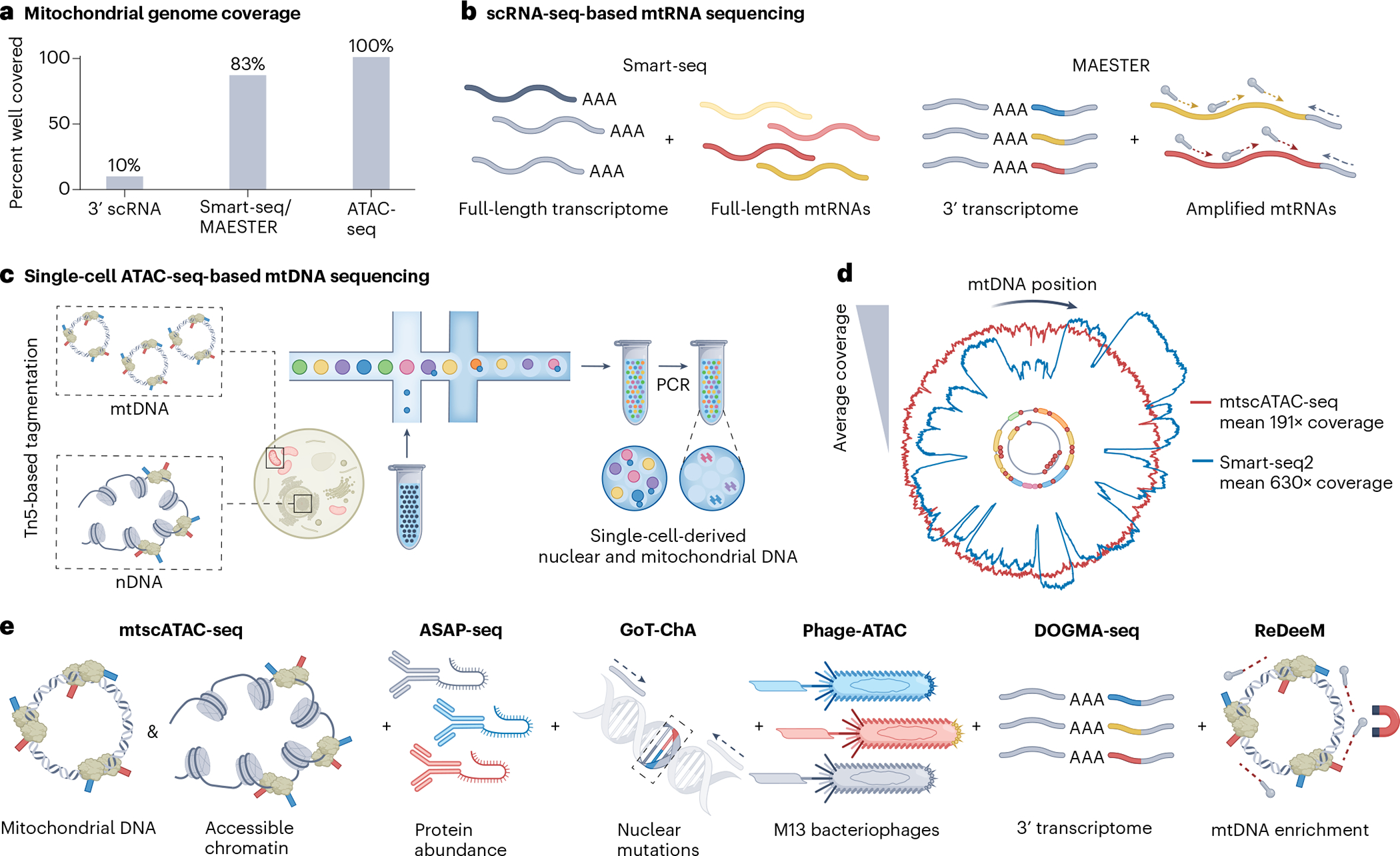
Fig. 3 |. Overview of single-cell multi-omic assays for genomic profiling and the co-detection of mtDNA mutations.
a, Several single-cell omics assays inherently capture mtDNA or may be modified to do so, but cover mtDNA sequences to different degrees, with ATAC-seq-based assays showing the highest mitochondrial genome coverage. b, Among the full-length RNA sequencing approaches, Smart-seq uses poly(A)-based priming to capture large fractions of the mitochondrial transcriptome, including rRNAs, but not tRNAs (left). scRNA-seq techniques can be augmented via the tiling of primers across mitochondrial transcripts to increase mtRNA variant coverage as done in MAESTER (right). c, Schematic illustration of droplet-based encapsulation of cells in mtscATAC-seq. As mtDNA is not densely packed, it is thus readily accessible to tagmentation, analogous to regions of accessible chromatin (left). Following bulk Tn5 tagmentation of cells, individual cells may be droplet-encapsulated (middle), after which PCR enables the amplification of accessible nuclear and mtDNA fragments from single cells (right) for genome-wide mtDNA variant identification in combination with profiling of accessible chromatin. d, Mitochondrial genome coverage is variable depending on technology and type of oligonucleotide (mtDNA for mtscATAC-seq and mtRNA for Smart-seq2) used, as exemplified here for the hematopoietic TF1 cell line. For example, dips in coverage for Smart-seq relate to the inability to capture mitochondrial tRNA, which is not polyadenylated. Note that coverages may differ substantially by cell type. e, Schematic illustration of approaches for single-cell mtDNA genotyping based on mtscATAC-seq (left) that can be variably combined with different genomic readouts (to the right). Antibody-mediated protein marker profiling is enabled by ASAP-seq. Phage-ATAC leverages nanobodies displayed on phagemids to quantify protein markers. The GoT-ChA assay co-detects nDNA mutations using targeted primers. DOGMA-seq enables additional transcriptome profiling, by combining mtscATAC-seq with scRNA-seq. However, mitochondrial genome coverage is less pronounced compared to the standalone mtscATAC-seq assay, leading to the development of ReDeeM, which experimentally enriches mtDNA during library preparation. See Box 1 for further details on the different methods. Panel c adapted from ref. , Springer Nature Limited, panel d adapted with permission from ref. , Elsevier.
Fig. 4 |
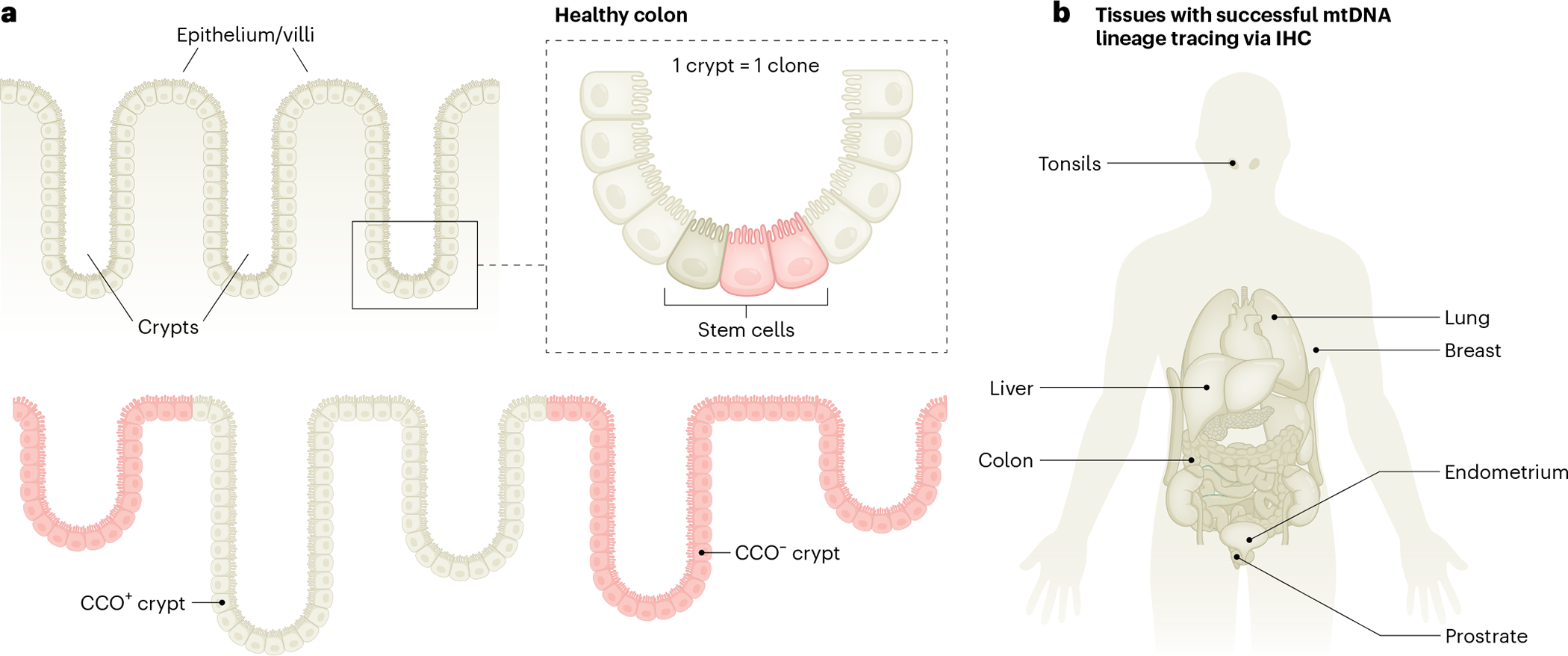
Fig. 4 |. Revealing in situ clonal tracing by mtDNA genetic variation.
a, Schematic illustrating how stem cells in colonic crypts may acquire somatic mtDNA mutations in cytochrome c oxidase (CCO), leading to the loss of biochemical activity (pink) compared to wild-type cells (beige), as measured by immunohistochemistry (IHC). As mtDNA mutations may be propagated across cell divisions, all stem-cell-derived daughter cells are ‘visually’ marked as they all exhibit a lack of CCO activity, thereby facilitating the identification of clonally related cells. b, Overview of human organ systems surveyed with classical immunohistochemical or immunofluorescence approaches to identify clonal patches of cells on the basis of the loss of protein activity or expression of mtDNA-encoded genes.
Fig. 5 |
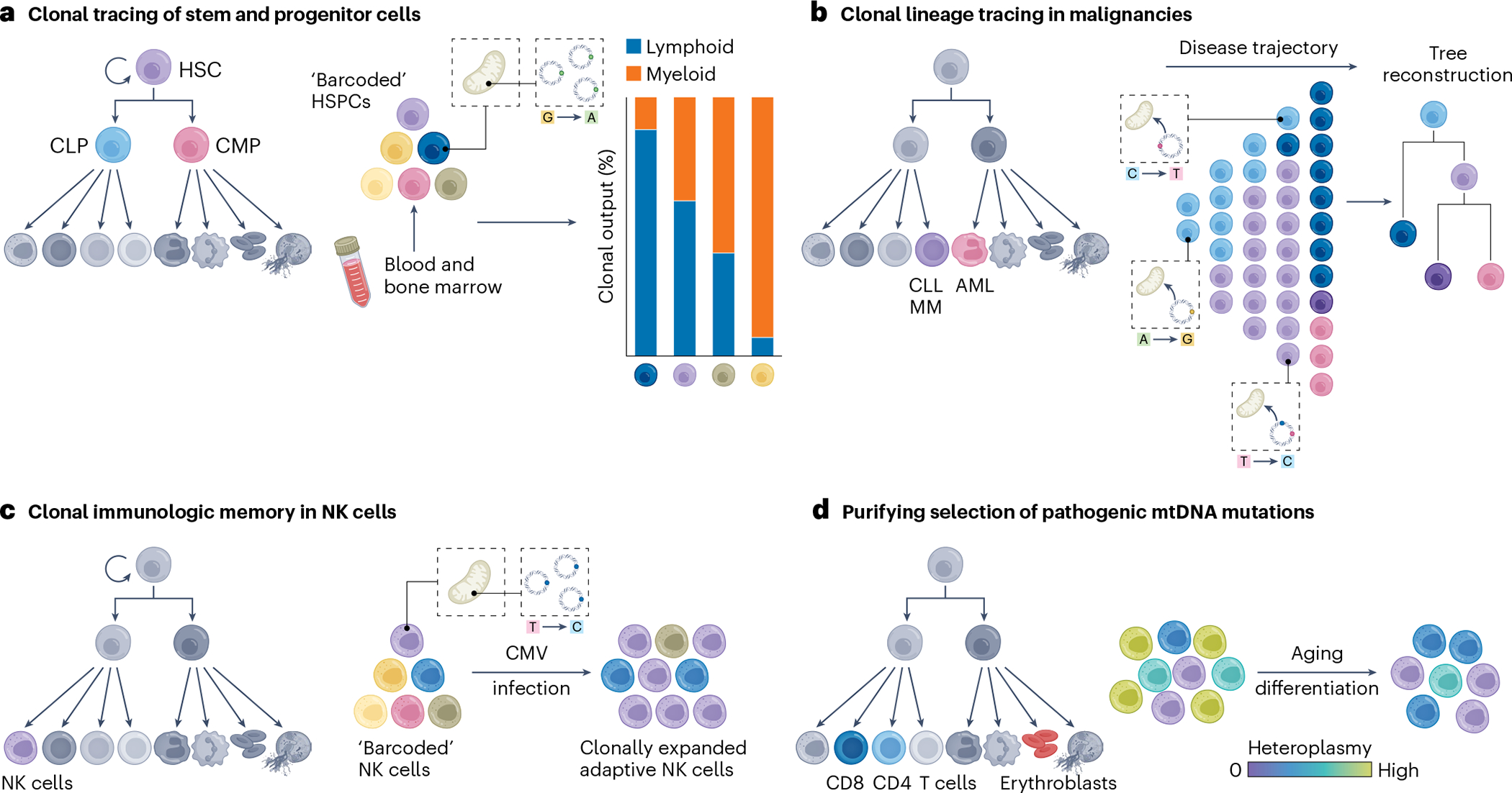
Fig. 5 |. Examples of biological insights into hematopoiesis and the immune system afforded by single-cell mtDNA sequencing.
a, Somatic mtDNA mutations enable the inference of the clonal activity, dynamics and potential lineage biases of stem and progenitor cells, such as of HSCs. CMP, common myeloid progenitor; CLP, common lymphoid progenitor; HSPCs, hematopoietic stem and progenitor cells. b, Somatic mtDNA mutations have aided in discerning functional heterogeneity that allows reconstructing disease trajectories and subclonal population structures across different blood cancer entities, including chronic lymphocytic leukemia (CLL), multiple myeloma (MM) or acute myeloid leukemia (AML). c, Somatic mtDNA mutations can help to resolve clonal memory and expansion of immune cells, including of adaptive NK cells after CMV infection. d, Pathogenic mtDNA mutations are selected against in specific T cell populations, suggesting they give rise to distinct metabolic vulnerabilities as well as causing distinct pathologies in erythroblasts. Over the human lifetime, pathogenic mtDNA mutations appear to be largely purified away in the hematopoietic system, probably already at the HSC level. Adapted from ref. , Springer Nature Limited.

References

    1. Nass S & Nass MMK Intramitochondrial fibers with DNA characteristics: II. Enzymatic and other hydrolytic treatments. J. Cell Biol. 19, 613 (1963). - PMC - PubMed
    1. Wallace DC Why do we still have a maternally inherited mitochondrial DNA? Insights from evolutionary medicine. Annu. Rev. Biochem. 76, 781–821 (2007). - PubMed
    1. Stewart JB & Chinnery PF The dynamics of mitochondrial DNA heteroplasmy: implications for human health and disease. Nat. Rev. Genet. 16, 530–542 (2015). - PubMed
    1. Wai T et al. The role of mitochondrial DNA copy number in mammalian fertility. Biol. Reprod. 83, 52–62 (2010). - PMC - PubMed
    1. Palis J Primitive and definitive erythropoiesis in mammals. Front. Physiol. 5, 3 (2014). - PMC - PubMed

Substances

LinkOut - more resources