


Anticoagulation Monitoring and Targets: The Pediatric Extracorporeal Membrane Oxygenation Anticoagulation CollaborativE Consensus Conference
- PMID: 38959356
- PMCID: PMC11216399
- DOI: 10.1097/PCC.0000000000003494
Anticoagulation Monitoring and Targets: The Pediatric Extracorporeal Membrane Oxygenation Anticoagulation CollaborativE Consensus Conference
Abstract
Objectives: To derive systematic-review informed, modified Delphi consensus regarding anticoagulation monitoring assays and target levels in pediatric extracorporeal membrane oxygenation (ECMO) for the Pediatric ECMO Anticoagulation CollaborativE.
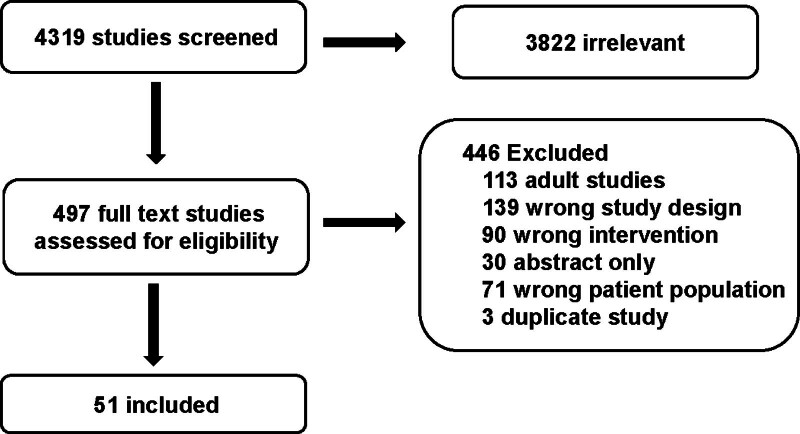
Data sources: A structured literature search was performed using PubMed, EMBASE, and Cochrane Library (CENTRAL) databases from January 1988 to May 2021.
Study selection: Anticoagulation monitoring of pediatric patients on ECMO.
Data extraction: Two authors reviewed all citations independently, with a third independent reviewer resolving any conflicts. Evidence tables were constructed using a standardized data extraction form.
Data synthesis: Risk of bias was assessed using the Quality in Prognosis Studies tool or the revised Cochrane risk of bias for randomized trials, as appropriate and the evidence was evaluated using the Grading of Recommendations Assessment, Development and Evaluation system. Forty-eight experts met over 2 years to develop evidence-based recommendations and, when evidence was lacking, expert-based consensus statements for clinical recommendations focused on anticoagulation monitoring and targets, using a web-based modified Delphi process to build consensus (defined as > 80% agreement). One weak recommendation, two consensus statements, and three good practice statements were developed and, in all, agreement greater than 80% was reached. We also derived some resources for anticoagulation monitoring for ECMO clinician use at the bedside.
Conclusions: There is insufficient evidence to formulate optimal anticoagulation monitoring during pediatric ECMO, but we propose one recommendation, two consensus and three good practice statements. Overall, the available pediatric evidence is poor and significant gaps exist in the literature.
Copyright © 2024 The Author(s). Published by Wolters Kluwer Health, Inc. on behalf of the Society of Critical Care Medicine and the World Federation of Pediatric Intensive and Critical Care Societies.
Conflict of interest statement
The Executive Committee (Dr. Alexander, Dr. Muszynski, Dr. Bembea, Dr. Cheifetz, Dr. Steiner, and Dr. Barbaro) served as arbitrators for conflict-of-interest management. Dr. Alexander’s institution received funding from Novartis (Prospective Trial to Assess the Angiotensin Receptor Blocker Neprilysin Inhibitor LCZ696 Versus Angiotensin-Converting Enzyme Inhibitor for the Medical Treatment of Pediatric HF [PANORAMA-HF]). Dr. Ozment received funding from Kaufman & Canoles Law Firm, Social Cascade, and Wiseman Ashworth Law Group. Drs. Ozment and Monagle disclosed the off-label product use of anticoagulants (heparin and bivalirudin) in neonatal and pediatric Extracorporeal Membrane Oxygenation (ECMO) patients. Drs. Alexander and Muszynski’s institutions received funding from the National Institutes of Health (NIH). Dr. Alexander’s institution received funding from the Extracorporeal Life Support Organization (ELSO) and Novartis. Drs. Alexander and Muszynski received support for article research from the NIH. Dr. Emani’s institution received funding from Cellvie Bio; he received funding from Cheisi Pharma. Dr. Hyslop disclosed that on a volunteer basis he is the Co-Chair of ELSO Registry Database Development Committee and Coordinator Liaison to ELSO Steering Committee. Dr. Alexander and Thiagarajan’s institution received funding from the US Department of Defense Clinical Trials Award, Trial of Indication-Based Transfusion of RBCs in ECMO trial (W81XWH2210301). Dr. Thiagarajan received funding from ELSO and the Society of Critical Care Medicine. The remaining authors have disclosed that they do not have any potential conflicts of interest.
Figures
References
-
- O’Halloran CP, Andren KG, Mecklosky J, et al. : Mortality and factors associated with hemorrhage during pediatric extracorporeal membrane oxygenation. Pediatr Crit Care Med. 2020; 21:75–81 - PubMed
-
- Muszynski JA, Reeder RW, Hall MW, et al. ; Eunice Kennedy Shriver National Institute of Child Health and Human Development Collaborative Pediatric Critical Care Research Network (CPCCRN): RBC transfusion practice in pediatric extracorporeal membrane oxygenation support. Crit Care Med. 2018; 46:e552–e559 - PMC - PubMed
-
- Dalton HJ, Reeder R, Garcia-Filion P, et al. ; Eunice Kennedy Shriver National Institute of Child Health and Human Development Collaborative Pediatric Critical Care Research Network: Factors associated with bleeding and thrombosis in children receiving extracorporeal membrane oxygenation. Am J Respir Crit Care Med. 2017; 196:762–771 - PMC - PubMed
-
- Ozment CP, Scott BL, Bembea MM, et al. : Anticoagulation and transfusion management during neonatal and pediatric extracorporeal membrane oxygenation: A survey of medical directors in the United States. Pediatr Crit Care Med. 2021; 22:530–541 - PubMed
Publication types
MeSH terms
Substances
Grants and funding
LinkOut - more resources
Full Text Sources
Medical
Miscellaneous
