


Mentoring as a complex adaptive system - a systematic scoping review of prevailing mentoring theories in medical education
- PMID: 38970020
- PMCID: PMC11225364
- DOI: 10.1186/s12909-024-05707-5
Mentoring as a complex adaptive system - a systematic scoping review of prevailing mentoring theories in medical education
Abstract
Background: Effective mentorship is an important component of medical education with benefits to all stakeholders. In recent years, conceptualization of mentorship has gone beyond the traditional dyadic experienced mentor-novice mentee relationship to include group and peer mentoring. Existing theories of mentorship do not recognize mentoring's personalized, evolving, goal-driven, and context-specific nature. Evidencing the limitations of traditional cause-and-effect concepts, the purpose of this review was to systematically search the literature to determine if mentoring can be viewed as a complex adaptive system (CAS).
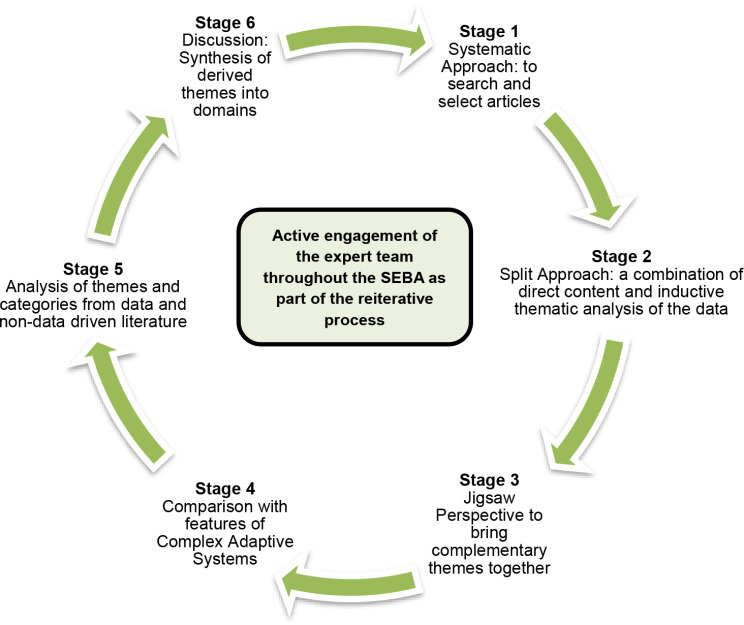
Methods: A systematic scoping review using Krishna's Systematic Evidence-Based Approach was employed to study medical student and resident accounts of mentoring and CAS in general internal medicine and related subspecialties in articles published between 1 January 2000 and 31 December 2023 in PubMed, Embase, PsycINFO, ERIC, Google Scholar, and Scopus databases. The included articles underwent thematic and content analysis, with the themes identified and combined to create domains, which framed the discussion.
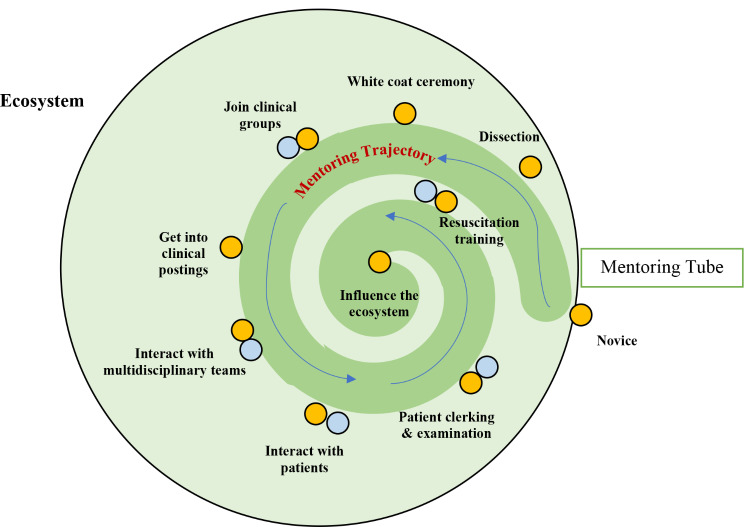
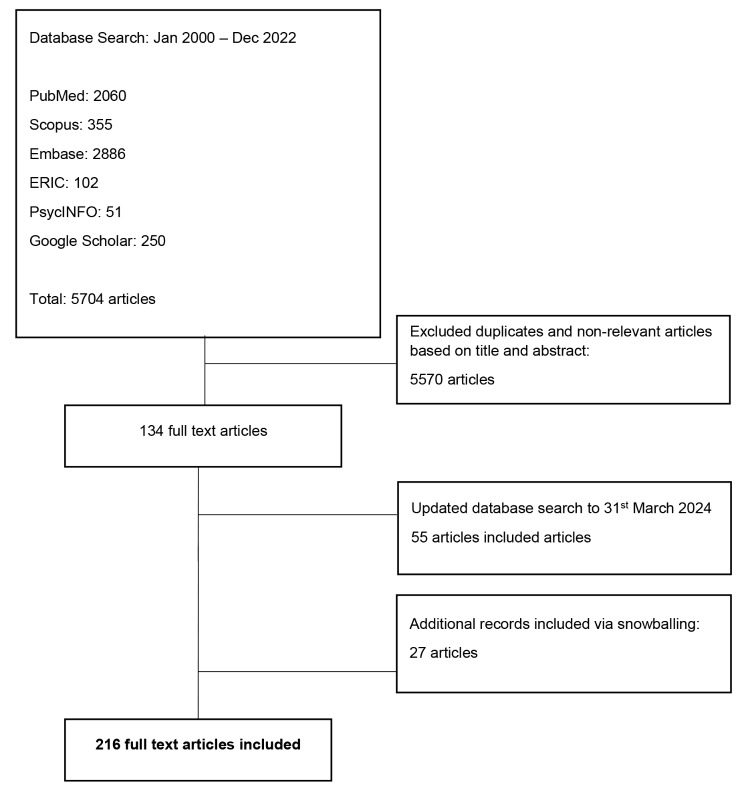
Results: Of 5,704 abstracts reviewed, 134 full-text articles were evaluated, and 216 articles were included. The domains described how mentoring relationships and mentoring approaches embody characteristics of CAS and that mentorship often behaves as a community of practice (CoP). Mentoring's CAS-like features are displayed through CoPs, with distinct boundaries, a spiral mentoring trajectory, and longitudinal mentoring support and assessment processes.
Conclusion: Recognizing mentorship as a CAS demands the rethinking of the design, support, assessment, and oversight of mentorship and the role of mentors. Further study is required to better assess the mentoring process and to provide optimal training and support to mentors.
Keywords: Communities of practice; Complex adaptive systems; Host organization; Medical education; Mentoring; Mentorship theories.
© 2024. The Author(s).
Conflict of interest statement
The authors declare no competing interests.
Figures
References
-
- Choo Hwee P, Hwee Sing K, Yong Hwang MK, Hum Yin Mei A. A qualitative study on the experiences and reflections of junior doctors during a palliative care rotation: perceptions of challenges and lessons learnt. J Pain Symptom Manage. 2020;60(3):549–e558541. doi: 10.1016/j.jpainsymman.2020.03.038. - DOI - PubMed
-
- Aslakson R, Kamal A, Gelfman L, Mazanec P, Morrison RS, Ferrell B, et al. Are you my mentor? A panel discussion featuring an all-star cast of AAHPM and HPNA mentors and mentees (th319) J Pain Symptom Manage. 2015;49(2):342–3. doi: 10.1016/j.jpainsymman.2014.11.054. - DOI
-
- Zhukovsky DS, Bruera E, Rajagopal MR, Rodin G. B07-B building the future of palliative care: Mentoring our people. J Pain Symptom Manage. 2016;52(6):e18–9. doi: 10.1016/j.jpainsymman.2016.10.029. - DOI
Publication types
MeSH terms
LinkOut - more resources
Full Text Sources
