


Compound osteoderms preserved in amber reveal the oldest known skink
- PMID: 38977836
- PMCID: PMC11231356
- DOI: 10.1038/s41598-024-66451-w
Compound osteoderms preserved in amber reveal the oldest known skink
Abstract
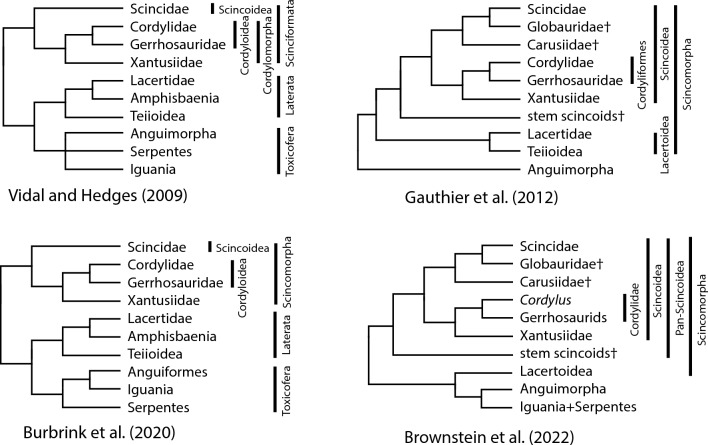
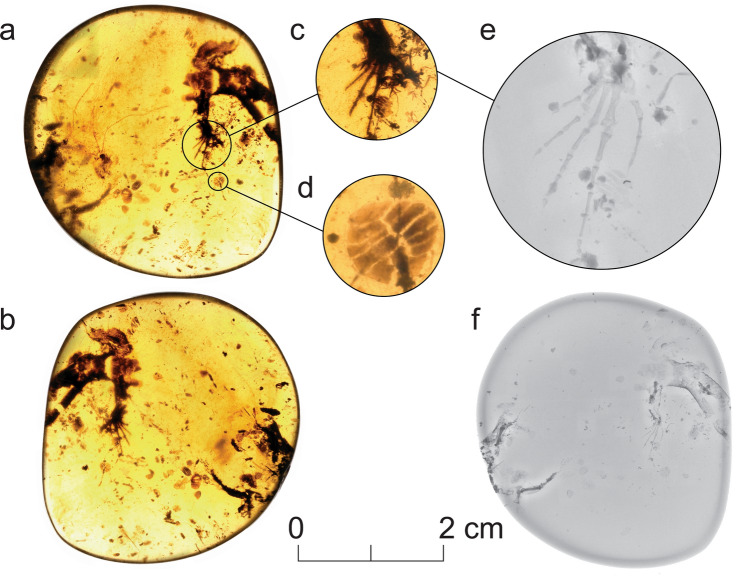
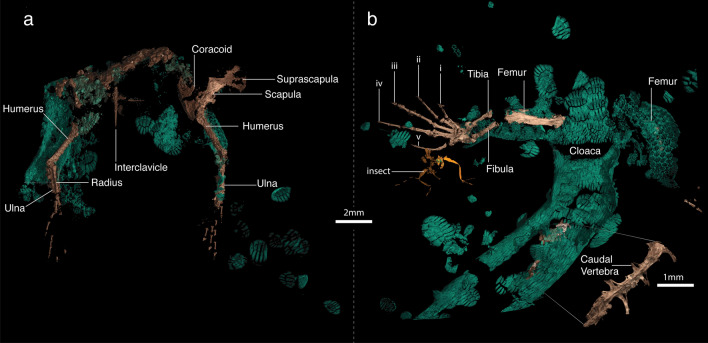
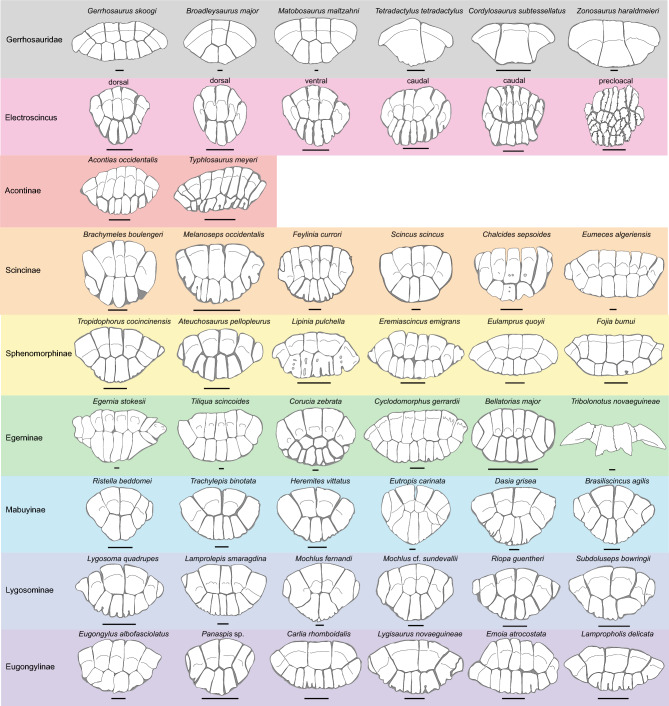
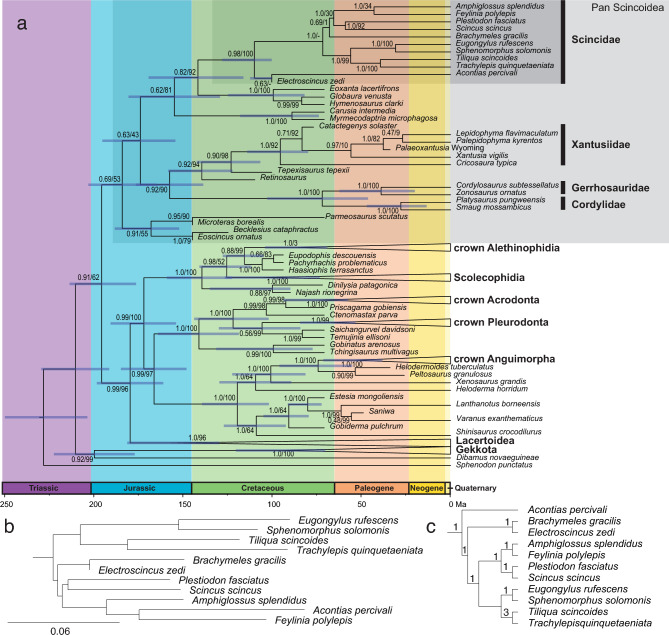
Scincidae is one of the most species-rich and cosmopolitan clades of squamate reptiles. Abundant disarticulated fossil material has also been attributed to this group, however, no complete pre-Cenozoic crown-scincid specimens have been found. A specimen in Burmite (99 MYA) is the first fossil that can be unambiguously referred to this clade. Our analyses place it as nested within extant skinks, supported by the presence of compound osteoderms formed by articulated small ostedermites. The specimen has a combination of dorsal and ventral compound osteoderms and overlapping cycloid scales that is limited to skinks. We propose that this type of osteoderm evolved as a response to an increased overlap of scales, and to reduced stiffness of the dermal armour. Compound osteoderms could be a key innovation that facilitated diversification in this megadiverse family.
© 2024. The Author(s).
Conflict of interest statement
The authors declare no competing interests.
Figures
References
-
- Chapple DG, et al. Conservation status of the world’s skinks (Scincidae): Taxonomic and geographic patterns in extinction risk. Biol. Conserv. 2021;257:109101. doi: 10.1016/j.biocon.2021.109101. - DOI
-
- Chapple DG, et al. Phylogenetic relationships in the Eugongylini (Squamata: Scincidae): Generic limits and biogeography. Aust. J. Zool. 2023;70:165–203. doi: 10.1071/ZO23007. - DOI
-
- Uetz, P., Freed, P. & Hošek, J. The Reptile Database, http://www.reptile-database.org (2024).
-
- Greer AE. Limb reduction in squamates: Identification of the lineages and discussion of the trends. J. Herpetol. 1991;25:166–173. doi: 10.2307/1564644. - DOI
-
- Camaiti M, et al. Macroecological and biogeographical patterns of limb reduction in the world’s skinks. J. Biogeogr. 2023;50:428–440. doi: 10.1111/jbi.14547. - DOI
MeSH terms
Substances
Grants and funding
LinkOut - more resources
Full Text Sources
