


Impact of an online reference system on the diagnosis of rare or atypical abdominal tumors and lesions
- PMID: 38987641
- PMCID: PMC11236990
- DOI: 10.1038/s41598-024-66421-2
Impact of an online reference system on the diagnosis of rare or atypical abdominal tumors and lesions
Abstract
The purpose of the present study is to evaluate whether an online reference system (ORS, STATdx Elsevier, Amsterdam, Netherlands) impacts finding the histologically confirmed diagnosis of rare or atypical abdominal tumors and lesions in radiologic imaging. In total, 101 patients with rare tumor entities or lesions and atypical manifestations of common tumors were enrolled retrospectively. Blinded readings were performed by four radiologists with varying levels of experience, who reported on: (a) correct diagnosis (CD), (b) time needed to find the diagnosis, and (c) diagnostic confidence, initially without followed by the assistance of the ORS. The experienced reader (3 years of experience post-residency, CD 49.5%), as well as the advanced reader with 1 year of experience post-residency (CD 43.6%), and a resident with 5 years of experience (CD 46.5%) made the correct diagnosis more frequently compared to the less experienced reader (CD 25.7%). A significant improvement in making the correct diagnosis was only achieved by the advanced reader, the resident with 5 years of experience (CD with ORS 58.4%; p < 0.001). The advanced reader with 1 year of experience post-residency improved slightly (CD ORS 47.5%). The experienced reader (CD ORS 50.5%) and the less experienced reader (CD ORS 27.7%) did not improve significantly. The overall subjective confidence increased significantly when ORS was used (3.2 ± 0.9 vs. 3.8 ± 0.9; p < 0.001). While the ORS had a positive impact on making the correct diagnosis throughout all readers, it favored radiologists with more clinical experience rather than inexperienced residents. Moreover, the ORS increased the diagnostic confidence of all radiologists significantly. In conclusion, the ORS had no significant impact on the diagnosis of rare or atypical abdominal tumors and lesions except for one reader. The greatest benefit is the increase in diagnostic confidence.
Keywords: Abdominal tumors; CT; Computed tomography; Diagnostic performance; ORS; Online reference system; STATdx.
© 2024. The Author(s).
Conflict of interest statement
J.R.K. received research support from Philips Healthcare, support for attending meetings and/or travel from Veryan, honoraria for scientific lectures from GE Healthcare, and honoraria for clinical advisory board membership from Siemens Healthineers. J.B. received honoraria for scientific lectures from Philips Healthcare and Siemens Healthineers. All other authors declare no conflicts of interest.
Figures
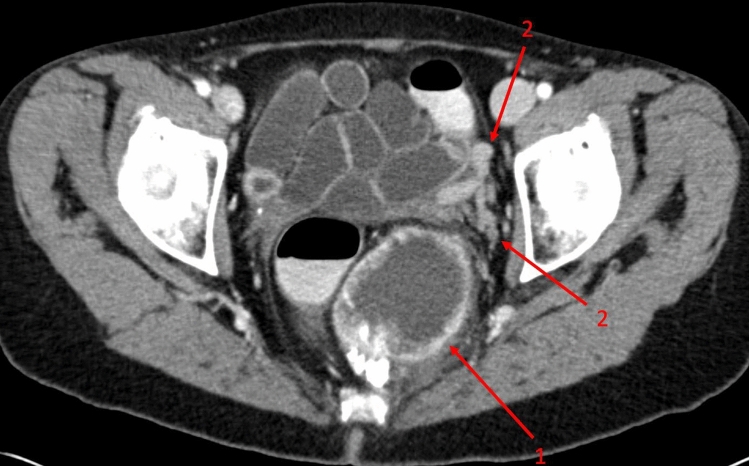
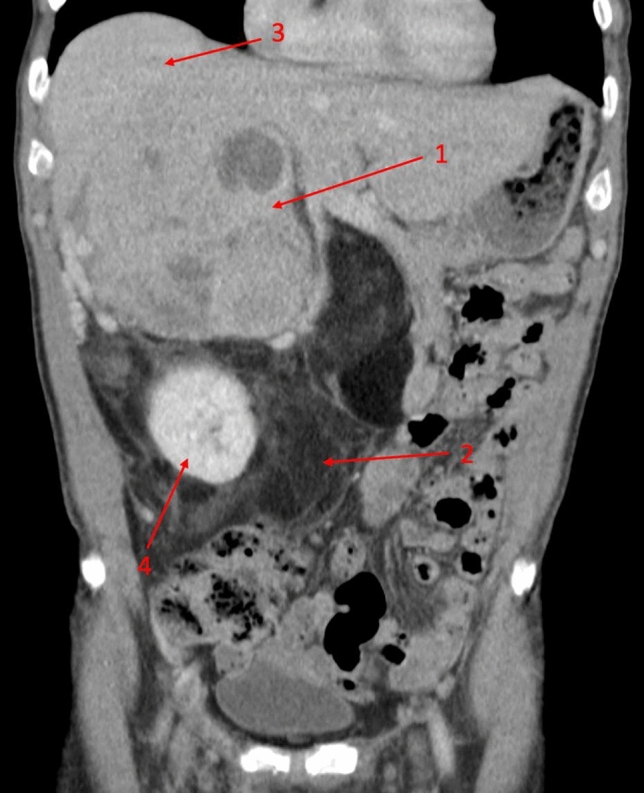
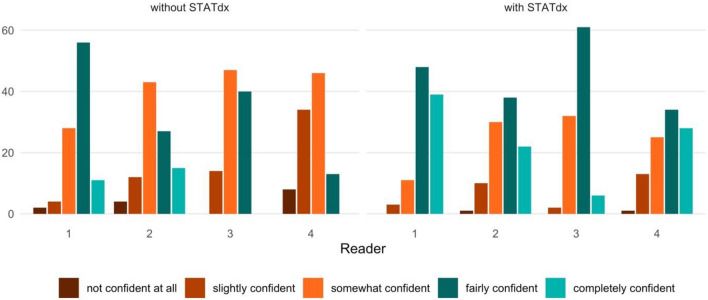
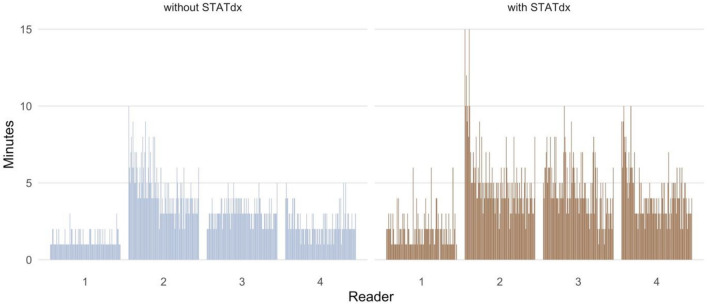
References
-
- Kamel S, Wang MX, Ghannam S, Gopal A, Baqai F, Rohren S, Patel P, Khan Z, Aly M, Reiter AM, Zook S, Udayakumar N, Kumaraval M, Kamaya A, Jambhekar K, Elsamaloty H, Gaballah A, Stein L, Abdelsalam M, Chernyak V, Elsayes KM. Acing the fundamentals of radiology: An online series for medical students and interns. J. Comput. Assist. Tomogr. 2022 doi: 10.1097/RCT.0000000000001306. - DOI - PubMed
MeSH terms
LinkOut - more resources
Full Text Sources
