


Acyclovir as a Novel Treatment for Severe Chronic Active Epstein-Barr Virus
- PMID: 38989379
- PMCID: PMC11235404
- DOI: 10.7759/cureus.62070
Acyclovir as a Novel Treatment for Severe Chronic Active Epstein-Barr Virus
Abstract
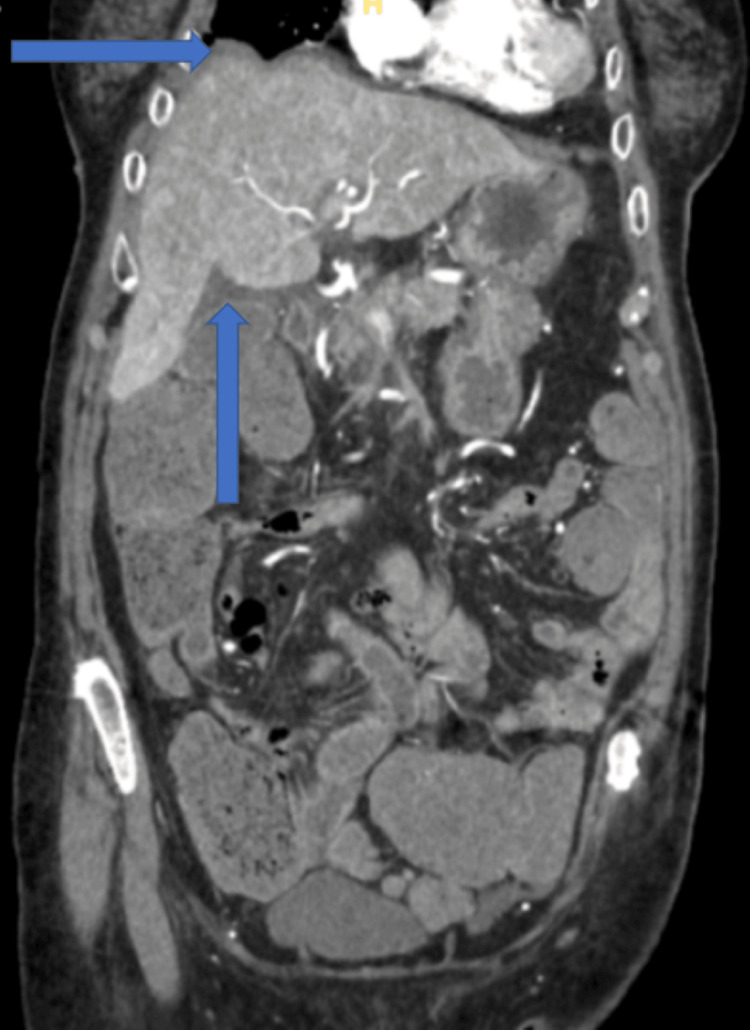
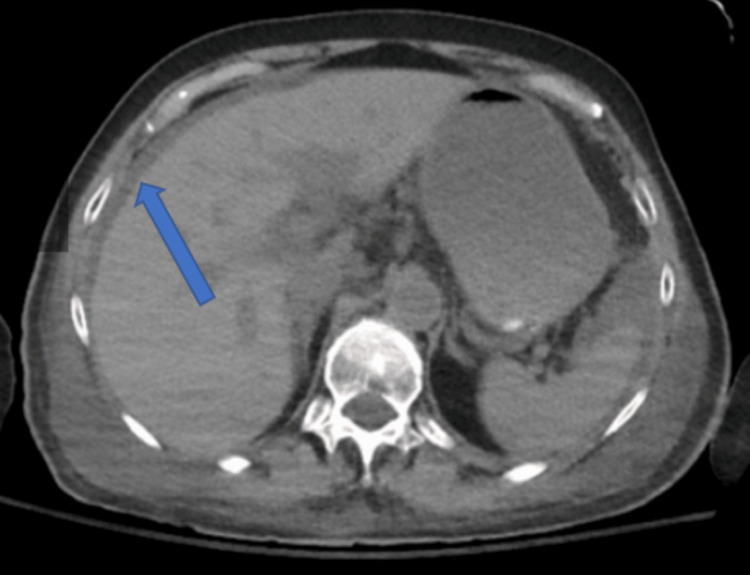
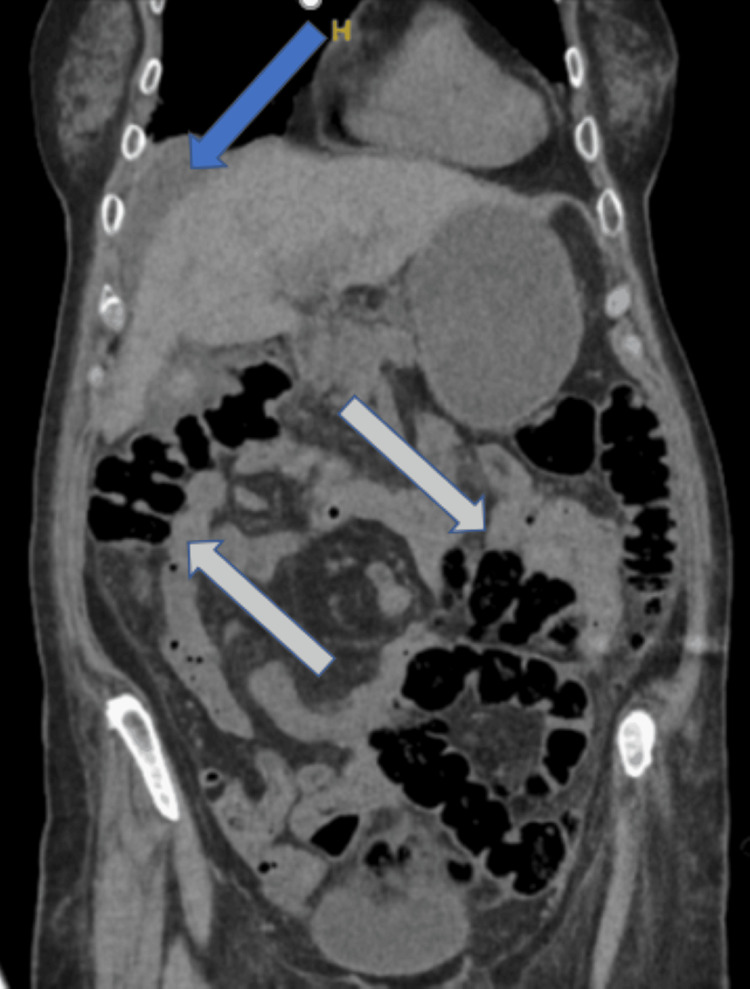
Epstein-Barr virus (EBV) is a widely infectious pathogen affecting most of the global population at some point in their life. While, typically, primary infections are subclinical, chronic persistence of the virus due to T-cell proliferation can cause severe complications. Acute hepatitis due to chronic active EBV (CAEBV) has rarely been documented. This case details a previously healthy 81-year-old woman who presented with complaints of diffuse abdominal pain, nausea, and vomiting. Her diagnostic workup demonstrated an EBV infection with worsening thrombocytopenia, transaminitis, and hepatocellular liver injury with acute ascites. Her hospitalization was resistant to the traditional supportive treatment of EBV, requiring intensive care management and unorthodox therapy. Although antivirals have demonstrated limited utility in the treatment of CAEBV, the severity of her illness and refractory hospital course necessitated the use of acyclovir. She made a complete recovery with no deficits. The case demonstrates the presentation of acute hepatitis and ascites as a result of CAEBV, the clinical sequelae, and acyclovir as a potential new treatment option.
Keywords: antiviral therapy; chronic active epstein-barr virus (caebv); ebv hepatitis; epstein-barr virus; new therapy approaches; use of antibiotic; acyclovir.
Copyright © 2024, Thomas et al.
Conflict of interest statement
Human subjects: Consent was obtained or waived by all participants in this study. Conflicts of interest: In compliance with the ICMJE uniform disclosure form, all authors declare the following: Payment/services info: All authors have declared that no financial support was received from any organization for the submitted work. Financial relationships: All authors have declared that they have no financial relationships at present or within the previous three years with any organizations that might have an interest in the submitted work. Other relationships: All authors have declared that there are no other relationships or activities that could appear to have influenced the submitted work.
Figures
References
-
- Primary Epstein-Barr virus infection. Dunmire SK, Verghese PS, Balfour HH Jr. J Clin Virol. 2018;102:84–92. - PubMed
-
- Epstein-Barr virus encephalomyelitis diagnosed by polymerase chain reaction: detection of the genome in the CSF. Tselis A, Duman R, Storch GA, Lisak RP. Neurology. 1997;48:1351–1355. - PubMed
-
- Ascites and severe hepatitis complicating Epstein-Barr infection. Devereaux CE, Bemiller T, Brann O. Am J Gastroenterol. 1999;94:236–240. - PubMed
Publication types
LinkOut - more resources
Full Text Sources