


High-intensity versus low-level laser in musculoskeletal disorders
- PMID: 38990213
- PMCID: PMC11239763
- DOI: 10.1007/s10103-024-04111-1
High-intensity versus low-level laser in musculoskeletal disorders
Abstract
Purpose: To evaluate the current evidence comparing low level to high level laser therapy to reveal any superiorities in the treatment of musculoskeletal disorders.
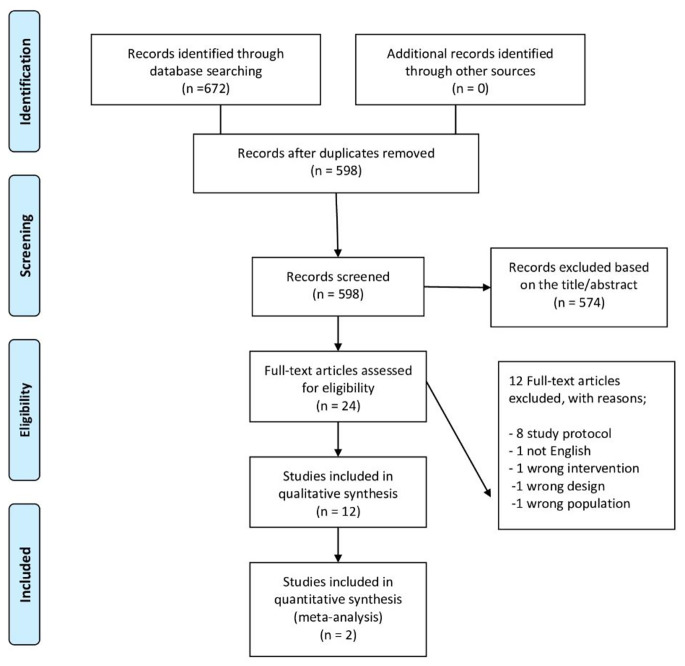
Methods: Five databases were searched till September 2022 to obtain relevant RCTs comparing high intensity and low-level laser therapies in the management of musculoskeletal disorders. Two authors assessed the methodological quality of the included studies using the Physiotherapy Evidence Database scale and meta-analysis was conducted for studies that showed homogeneity.
Results: Twelve articles were included in this systematic review with a total population of 704 participants across various musculoskeletal pathologies including tennis elbow, carpal tunnel syndrome, chronic non-specific low back pain, knee arthritis, plantar fasciitis, and subacromial impingement. There were no statistical differences between the two interventions in pain, electrophysiological parameters, level of disability, quality of life, postural sway or pressure algometer, however, Low level laser therapy showed superiority in increasing grip strength compared to high intensity laser therapy while results were significant in favour of high intensity laser therapy regarding long head of biceps diameter and cross sectional area, supraspinatus thickness and echogenicity and acromio-humeral distance.
Conclusion: The current literature suggests no superiority of both types of laser therapy in musculoskeletal disorders, however, more RCTs with larger sample size are required to reach a definitive conclusion regarding the superiority of either form of laser therapy in musculoskeletal disorders.
Keywords: Arthritis; Back pain; Carpal tunnel syndrome; HILT; High intensity; Impingement; LLLT; Laser; Low-level; Musculoskeletal.
© 2024. The Author(s).
Conflict of interest statement
No commercial party having a direct financial interest in the results of the research supporting this article has conferred or will confer a benefit on the authors or any organization with which the authors are associated.
Figures


References
-
- Pitsillides AA, Inflammation Protocols. Methods In, Volume 225 (2003) Molecular Biology,. Edited by P. G. Winyard and D. A. Willoughby. $99.50. Humana Press, Totowa, NJ, 380 pages. ISBN 0-86903-970-6. Rheumatology. 2004;43(6):814–814
Publication types
MeSH terms
LinkOut - more resources
Full Text Sources
