


Management of Cisplatin-Induced Encephalopathy: A Case Report and Literature Review
- PMID: 38993468
- PMCID: PMC11239081
- DOI: 10.7759/cureus.62176
Management of Cisplatin-Induced Encephalopathy: A Case Report and Literature Review
Abstract
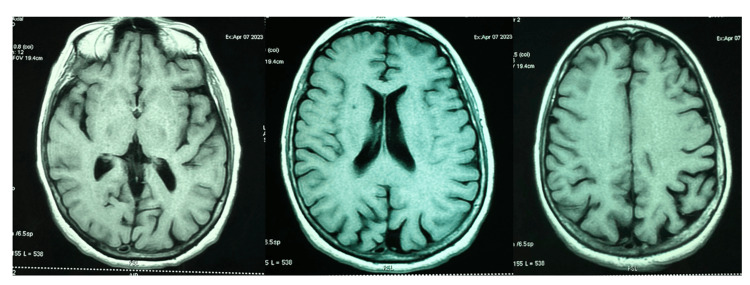
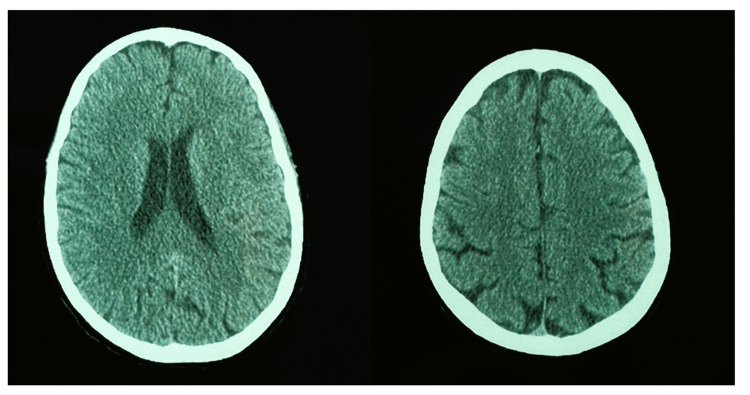
Cisplatin is a cancer therapy drug commonly used. It is well-known for its antineoplastic properties, as well as for its numerous adverse effects, particularly its neurotoxicity. Symptoms associated with a central nervous system injury are unusual but can present a diagnostic challenge. Here, we report a case of a 62-year-old patient who was diagnosed with undifferentiated nasopharyngeal carcinoma. Cisplatin-based chemotherapy was administrated. Five days following the second cycle of treatment, the patient presented neurological disorders. A full biological workup and brain imaging were requested and revealed no abnormalities. The diagnosis of cisplatin encephalopathy was then suspected. Twenty days after cessation of cisplatin therapy, the neurological symptoms began to improve. Based on our case and a review of the literature, cisplatin-induced encephalopathy remains unusual. Its diagnosis is based on a combination of clinical, biological, and radiological criteria and requires the exclusion of other etiologies for neurological disorders in a patient being treated for cancer. Treatment is symptomatic and depends on stopping cisplatin therapy. These neurological adverse effects are often transitory and disappear without major repercussions.
Keywords: carcinoma; case report; cisplatin; encephalopathy; nasopharyngeal.
Copyright © 2024, Jebrouni et al.
Conflict of interest statement
Human subjects: Consent was obtained or waived by all participants in this study. Conflicts of interest: In compliance with the ICMJE uniform disclosure form, all authors declare the following: Payment/services info: All authors have declared that no financial support was received from any organization for the submitted work. Financial relationships: All authors have declared that they have no financial relationships at present or within the previous three years with any organizations that might have an interest in the submitted work. Other relationships: All authors have declared that there are no other relationships or activities that could appear to have influenced the submitted work.
Figures
References
-
- Cisplatin-based chemotherapy of human cancers. Brown A, Kumar S, Tchounwou PB. https://www.ncbi.nlm.nih.gov/pmc/articles/PMC7059781/ J Cancer Sci Ther. 2019;11:97. - PMC - PubMed
-
- Advances in toxicological research of the anticancer drug cisplatin. Qi L, Luo Q, Zhang Y, Jia F, Zhao Y, Wang F. Chem Res Toxicol. 2019;32:1469–1486. - PubMed
-
- Central and peripheral nervous system toxicity of common chemotherapeutic agents. Sioka C, Kyritsis AP. Cancer Chemother Pharmacol. 2009;63:761–767. - PubMed
-
- Cisplatin-induced non-convulsive encephalopathy. Lyass O, Lossos A, Hubert A, Gips M, Peretz T. Anticancer Drugs. 1998;9:100–104. - PubMed
Publication types
LinkOut - more resources
Full Text Sources