Cinnamaldehyde: Pharmacokinetics, anticancer properties and therapeutic potential (Review)
- PMID: 38994757
- PMCID: PMC11267250
- DOI: 10.3892/mmr.2024.13287
Cinnamaldehyde: Pharmacokinetics, anticancer properties and therapeutic potential (Review)
Abstract
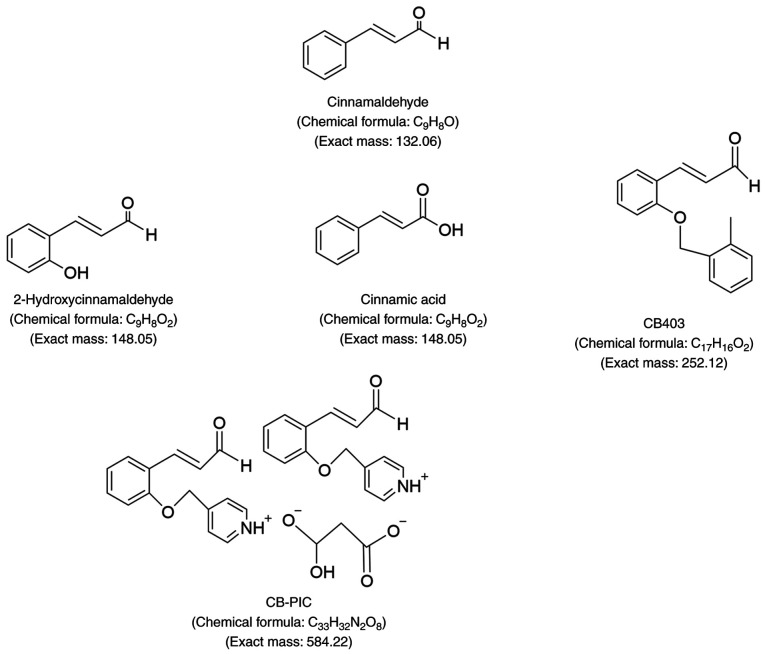
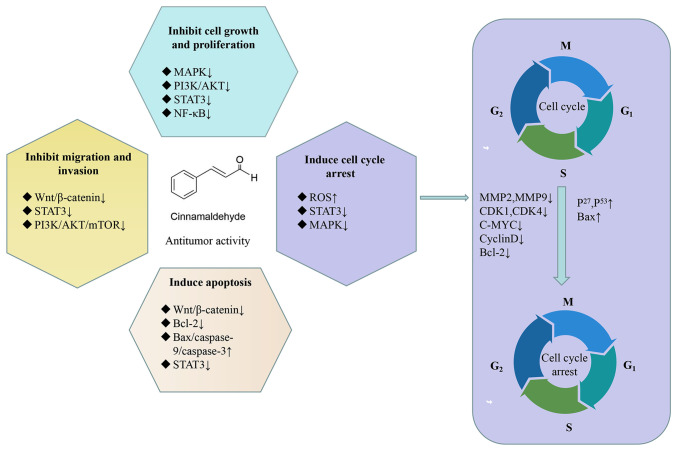
Cancer incidence is increasing globally, presenting a growing public health challenge. While anticancer drugs are crucial in treatment, their limitations, including poor targeting ability and high toxicity, hinder effectiveness and patient safety, requiring relentless scientific research and technological advancements to develop safer and more effective therapeutics. Cinnamaldehyde (CA), an active compound derived from the natural plant cinnamon, has garnered attention in pharmacological research due to its diverse therapeutic applications. CA has potential in treating a wide array of conditions, including cardiovascular diseases, diabetes, inflammatory disorders and various forms of cancer. The present review comprehensively summarizes the physicochemical and pharmacokinetic profiles of CA, and delves into the latest advancements in elucidating its potential mechanisms and targets across various cancer types. CA and its derivatives have antitumor effects, which encompass inhibiting cell proliferation, arresting the cell cycle, inducing apoptosis, limiting cell migration and invasion, and suppressing angiogenesis. Additionally, the present review explores targeted formulations of CA, laying a scientific foundation for further exploration of its implications in cancer prevention and treatment strategies.
Keywords: anticancer effect; cinnamaldehyde; pharmacokinetics; targeting preparation.
Conflict of interest statement
The authors declare that they have no competing interests.
Figures
References
Publication types
MeSH terms
Substances
LinkOut - more resources
Full Text Sources
Medical