Pancreatic stellate cells and the interleukin family: Linking fibrosis and immunity to pancreatic ductal adenocarcinoma (Review)
- PMID: 38994764
- PMCID: PMC11258612
- DOI: 10.3892/mmr.2024.13283
Pancreatic stellate cells and the interleukin family: Linking fibrosis and immunity to pancreatic ductal adenocarcinoma (Review)
Abstract
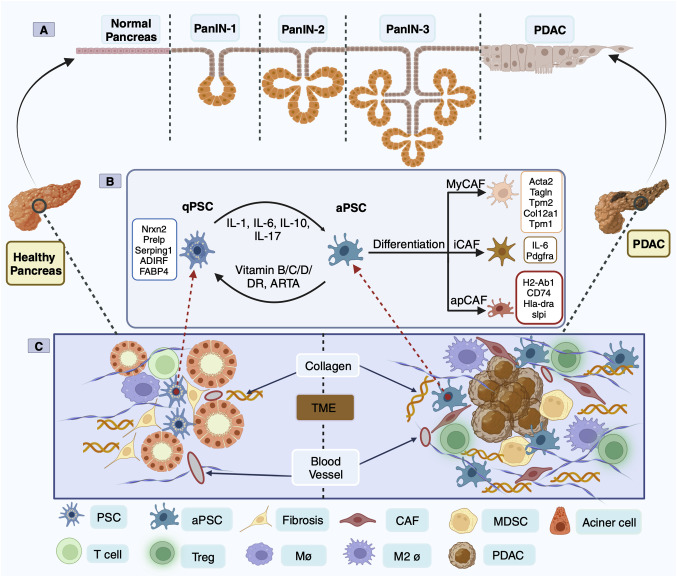
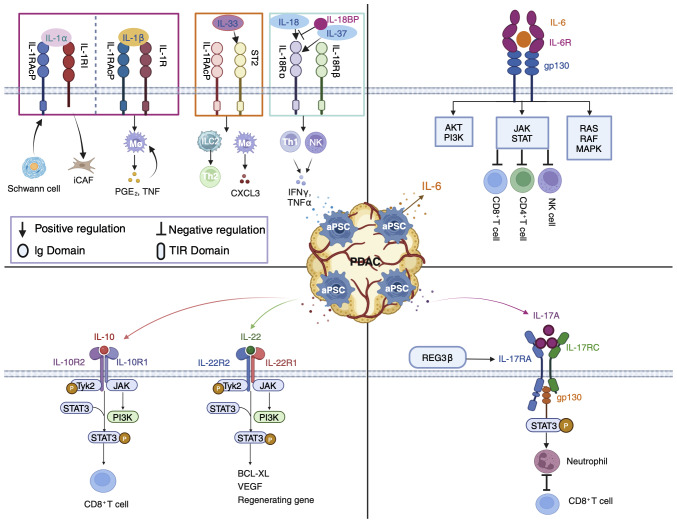
Pancreatic ductal adenocarcinoma (PDAC) is an extremely aggressive form of cancer with a low survival rate. A successful treatment strategy should not be limited to targeting cancer cells alone, but should adopt a more comprehensive approach, taking into account other influential factors. These include the extracellular matrix (ECM) and immune microenvironment, both of which are integral components of the tumor microenvironment. The present review describes the roles of pancreatic stellate cells, differentiated cancer‑associated fibroblasts and the interleukin family, either independently or in combination, in the progression of precursor lesions in pancreatic intraepithelial neoplasia and PDAC. These elements contribute to ECM deposition and immunosuppression in PDAC. Therapeutic strategies that integrate interleukin and/or stromal blockade for PDAC immunomodulation and fibrogenesis have yielded inconsistent results. A deeper comprehension of the intricate interplay between fibrosis, and immune responses could pave the way for more effective treatment targets, by elucidating the mechanisms and causes of ECM fibrosis during PDAC progression.
Keywords: cancer‑associated fibroblast; interleukin; pancreatic ductal adenocarcinoma; pancreatic intraepithelial neoplasia; pancreatic stellate cell.
Conflict of interest statement
The authors declare that they have no competing interests.
Figures
References
Publication types
MeSH terms
Substances
LinkOut - more resources
Full Text Sources
Medical