


Lecithin and cardiovascular health: a comprehensive review
- PMID: 39001966
- PMCID: PMC11246377
- DOI: 10.1186/s43044-024-00523-0
Lecithin and cardiovascular health: a comprehensive review
Abstract
Background: Cardiovascular diseases are one of the prime causes of mortality globally. Therefore, concerted efforts are made to prevent or manage disruptions from normal functioning of the cardiovascular system. Disruption in lipid metabolism is a major contributor to cardiovascular dysfunction. This review examines how lecithin impacts lipid metabolism and cardiovascular health. It emphasizes lecithin's ability to reduce excess low-density lipoproteins (LDL) while specifically promoting the synthesis of high-density lipoprotein (HDL) particles, thus contributing to clearer understanding of its role in cardiovascular well-being. Emphasizing the importance of lecithin cholesterol acyltransferase (LCAT) in the reverse cholesterol transport (RCT) process, the article delves into its contribution in removing surplus cholesterol from cells. This review aims to clarify existing literature on lipid metabolism, providing insights for targeted strategies in the prevention and management of atherosclerotic cardiovascular disease (ASCVD). This review summarizes the potential of lecithin in cardiovascular health and the role of LCAT in cholesterol metabolism modulation, based on articles from 2000 to 2023 sourced from databases like MEDLINE, PubMed and the Scientific Electronic Library Online.
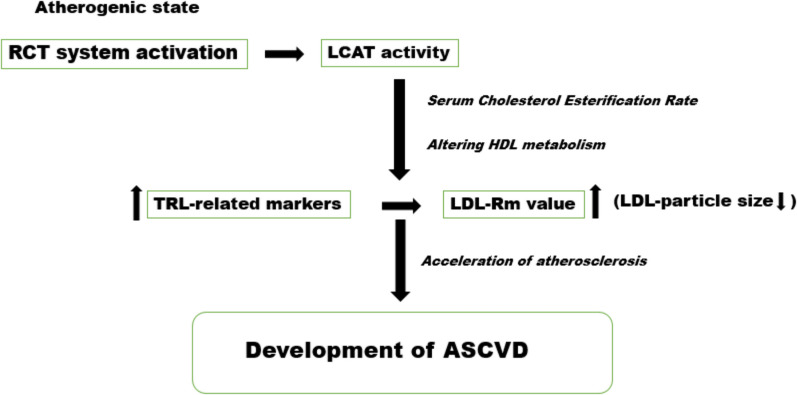
Main body: While studies suggest a positive correlation between increased LCAT activities, reduced LDL particle size and elevated serum levels of triglyceride-rich lipoprotein (TRL) markers in individuals at risk of ASCVD, the review acknowledges existing controversies. The precise nature of LCAT's potential adverse effects remains uncertain, with varying reports in the literature. Notably, gastrointestinal symptoms such as diarrhea and nausea have been sporadically documented.
Conclusions: The review calls for a comprehensive investigation into the complexities of LCAT's impact on cardiovascular health, recognizing the need for a nuanced understanding of its potential drawbacks. Despite indications of potential benefits, conflicting findings warrant further research to clarify LCAT's role in atherosclerosis.
Keywords: Antioxidant; Atherosclerosis; Cardiovascular health; High-density lipoprotein (HDL); Lecithin; Lecithin cholesterol acyltransferase (LCAT); Lipids; Low-density lipoprotein (LDL); Reverse cholesterol transport (RCT).
© 2024. The Author(s).
Conflict of interest statement
The authors declare that they have no competing interests.
Figures
References
-
- Tanno H (2012) Lecithin. In: Ullmann's encyclopedia of industrial chemistry, vol 12 online version. Wiley‐VCH Verlag GmbH & Co. KGaA, Weinheim. 10.1002/14356007.a15_293
-
- Wendel A (1995) Lecithin. In: Kirk‐Othmer encyclopedia of chemical technology, vol 15, 4th ed. Wiley‐Interscience, New York, pp 192–210
-
- List GR. Soybean lecithin: food, industrial uses, and other applications. Polar Lipids. 2015 doi: 10.1016/b978-1-63067-044-3.50005-4. - DOI
Publication types
LinkOut - more resources
Full Text Sources
Miscellaneous