


Induced genetic diversity through mutagenesis in wheat gene pool and significant use of SCoT markers to underpin key agronomic traits
- PMID: 39004709
- PMCID: PMC11247860
- DOI: 10.1186/s12870-024-05345-5
Induced genetic diversity through mutagenesis in wheat gene pool and significant use of SCoT markers to underpin key agronomic traits
Abstract
Background: This research explores the efficacy of mutagenesis, specifically using sodium azide (SA) and hydrazine hydrate (HZ) treatments, to introduce genetic diversity and enhance traits in three wheat (Triticum aestivum L.) genotypes. The experiment entails subjecting the seeds to different doses of SA and HZ and cultivating them in the field for two consecutive generations: M1 (first generation) and M2 (second generation). We then employed selective breeding techniques with Start Codon Targeted (SCoT) markers to select traits within the wheat gene pool. Also, the correlation between SCoT markers and specific agronomic traits provides insights into the genetic mechanisms underlying mutagenesis-induced changes in wheat.
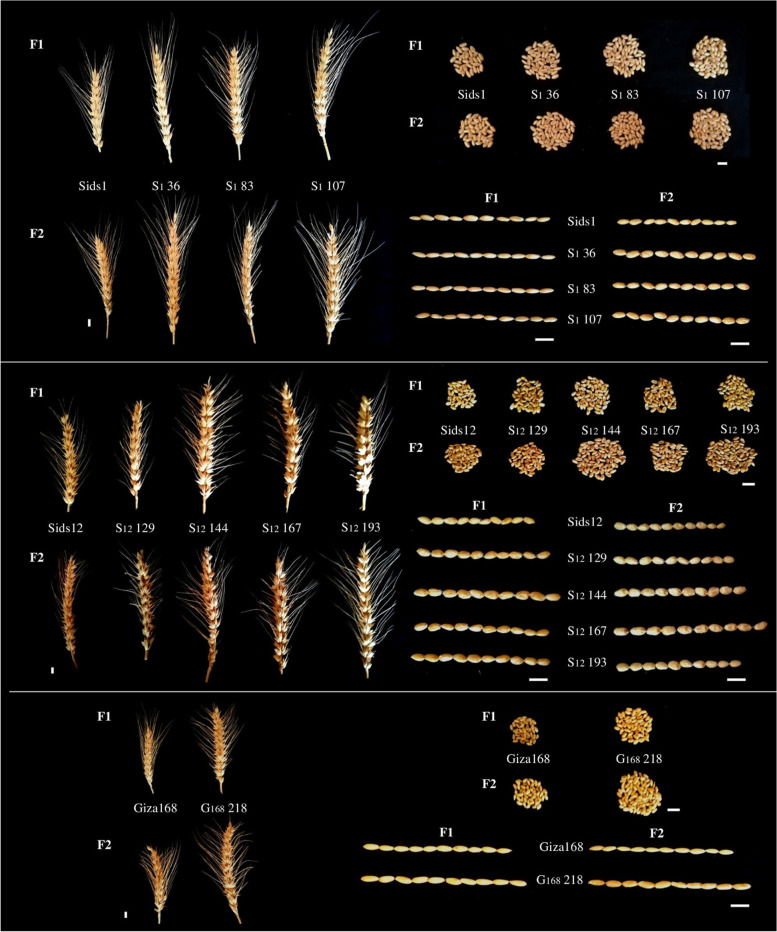
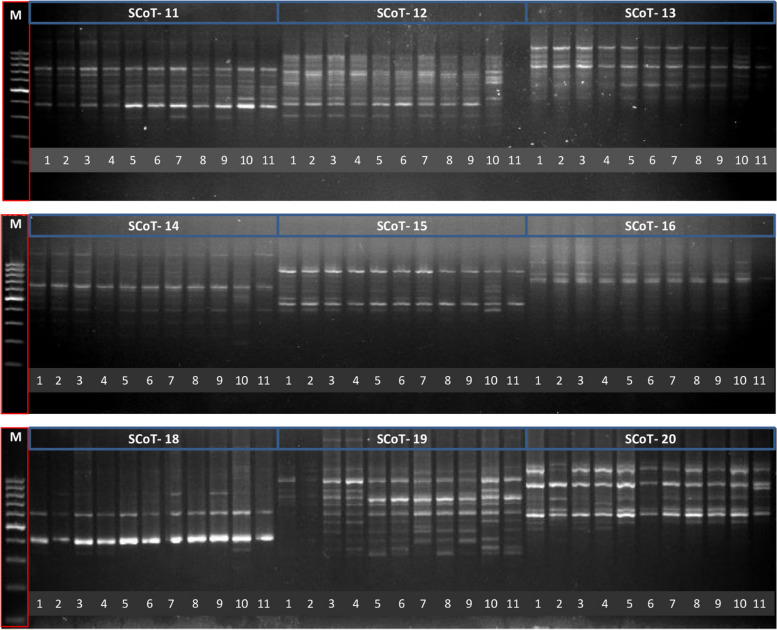
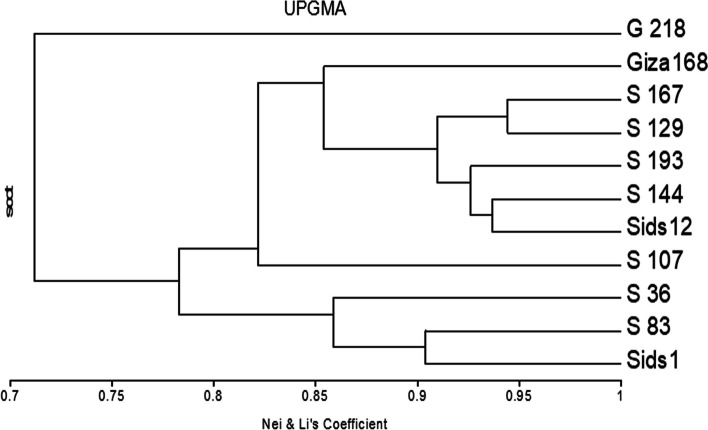
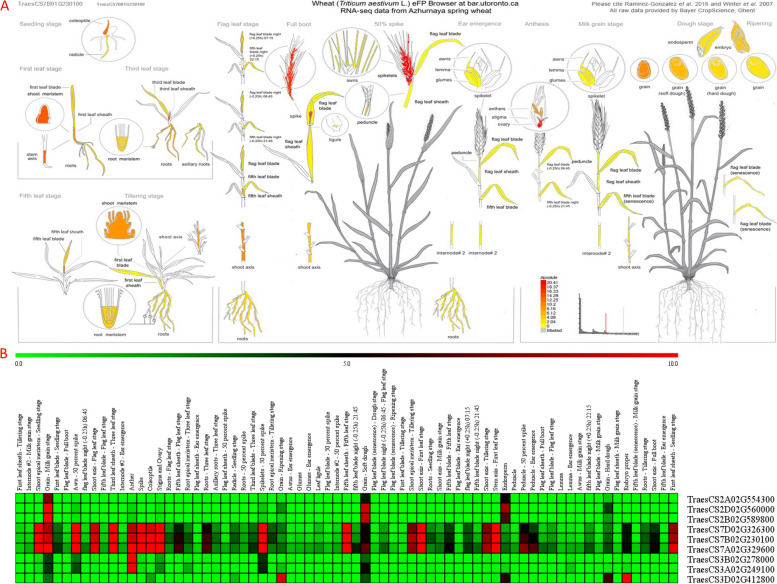
Results: In the study, eleven genotypes were derived from parent varieties Sids1, Sids12, and Giza 168, and eight mutant genotypes were selected from the M1 generation and further cultivated to establish the M2 generation. The results revealed that various morphological and agronomical characteristics, such as plant height, spikes per plant, spike length, spikelet per spike, grains per spikelet, and 100-grain weight, showed increases in different genotypes from M1 to M2. SCoT markers were employed to assess genetic diversity among the eleven genotypes. The bioinformatics analysis identified a correlation between SCoT markers and the transcription factors ABSCISIC ACID INSENSITIVE3 (ABI3) and VIVIPAROUS1 (VP1), crucial for plant development, growth, and stress adaptation. A comprehensive examination of genetic distance and the function identification of gene-associated SCoT markers may provide valuable insights into the mechanisms by which SA and HZ act as mutagens, enhancing wheat agronomic qualities.
Conclusions: This study demonstrates the effective use of SA and HZ treatments to induce gene diversity through mutagenesis in the wheat gene pool, resulting in the enhancement of agronomic traits, as revealed by SCoT markers. The significant improvements in morphological and agronomical characteristics highlight the potential of mutagenesis techniques for crop improvement. These findings offer valuable information for breeders to develop effective breeding programs to enhance wheat quality and resilience through increased genetic diversity.
Keywords: Agronomic traits; Chemical mutagenesis; Gene pool; Genetic diversity; Hydrazine hydrate; Polymorphism; SCoT marker; Sodium azide; Wheat (Triticum aestivum L.).
© 2024. The Author(s).
Conflict of interest statement
The authors declare no competing interests.
Figures
References
-
- Frankham R, Ballou JD, Briscoe DA. In: Introduction to Conservation Genetics. Second. Cambridge, UK ; New York: Cambridge, UK ; New York: Cambridge University Press; 2010. Evolutionary impacts of mutation and migration, and their interactions with selection in large populations; pp. 140–59.
-
- Kumari V, Chaudhary H, Prasad R, Kumar A, Singh A, Jambhulkar S, et al. Effect of Mutagenesis on Germination, Growth and Fertility in Sesame (Sesamum indicum L.) Annu Res Rev Biol. 2016;10:1–9. doi: 10.9734/ARRB/2016/26983. - DOI
-
- Gawande S, Ghuge S, Kalpande H, Wankhade M. Effect of mutagens on emergence, plant survival and pollen sterility in safflower (Carthamus tinctorius L.) Pharma Innov. 2022;11:607–10.
-
- Oladosu Y, Rafii MY, Abdullah N, Hussin G, Ramli A, Rahim HA, et al. Principle and application of plant mutagenesis in crop improvement: a review. Biotechnol Biotechnol Equip. 2016;30:1–16. doi: 10.1080/13102818.2015.1087333. - DOI
MeSH terms
Substances
LinkOut - more resources
Full Text Sources
