Review
. 2024 Oct 16;218(2):136-150.
doi: 10.1093/cei/uxae059.

Protecting children and adults with primary antibody deficiencies against common and emergent pathogens and non-infectious complications

Affiliations
Review

Protecting children and adults with primary antibody deficiencies against common and emergent pathogens and non-infectious complications

Olaf Neth et al. Clin Exp Immunol. .

Abstract

Prevention and treatment of infections are primary goals of treatment of children and adults with primary immune deficiencies due to decreased antibody production. Approaches to these goals include immunoglobulin replacement therapy, vaccination, and prophylactic treatment with antimicrobials. In this review, the infectious and non-infectious complications of antibody deficiencies will be discussed along with the limited number of studies that support the effective use of the available therapies and to drive the development of new therapies. Some illustrative case studies will be presented and the outlook for additional controlled clinical trials and potential for therapies driven by the underlying disease genetics will be considered.


Conflict of interest statement

ON has received consulting fees from Pharming and an honorarium from Grifols as invited speaker: CCR is supported by the following grants: NIH: AI 101093; AI-086037 AI-48693 and the David S Gottesman Immunology Chair. NM has received an honorarium from Grifols as an invited speaker. Grifols also provided medical writing and editorial support for this article and funded its publication.

Figures
Graphical Abstract
Graphical Abstract
Figure 1:
Figure 1:
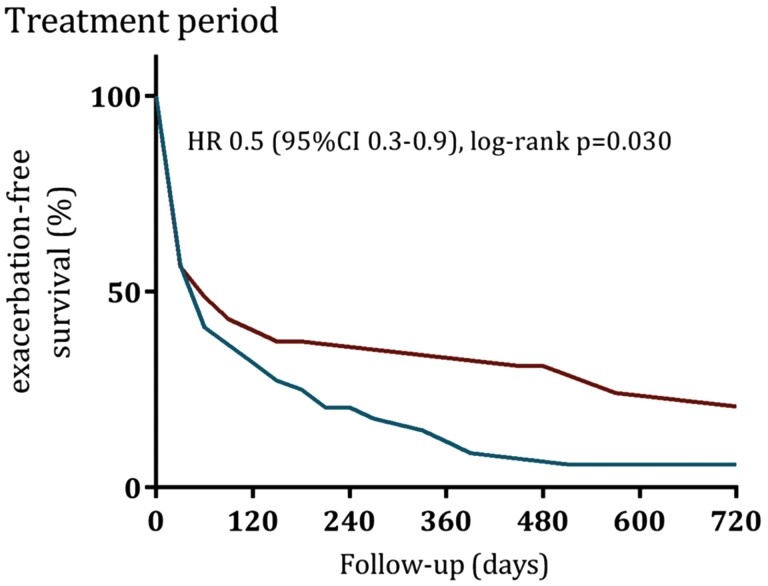
Kaplan–Meier plot showing the percentage of patients remaining exacerbation-free during the study period for patients treated with azithromycin (red: upper line) and controls (blue: lower line) [18]. Copyright 2019. The Authors. Published by Elsevier for the American Academy of Allergy, Asthma and Immunology under CC BY NC ND license
Figure 2:
Figure 2:
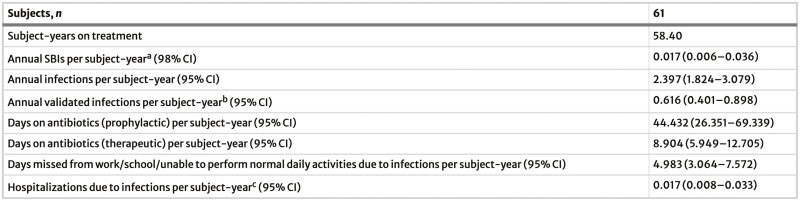
SCIG 20% provided protection against serious bacterial infections in a multi-center, open-label, single-arm trial in patients with primary deficiency [52]. Therapeutic antibiotic use refers to non-prophylactic antibiotic treatment. Days missed from work or school included days unable to perform normal daily activities. SBI: serious bacterial infection; SCIG: subcutaneous immunoglobulin; CI: confidence interval
Figure 3:
Figure 3:
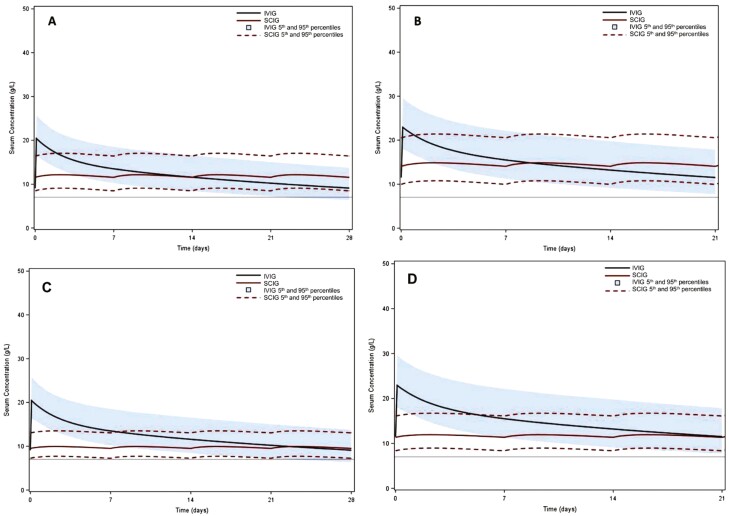
A population pharmacokinetic model was used to compare subcutaneous immunoglobulin (SCIG) with intravenous immunoglobulin (IVIG). Switching from IVIG every four weeks (A and C) or every three weeks (B and D) to weekly SCIG administration produced comparable IgG exposure. The dose conversion factor was 1.37 for simulations A and B and 1.0 for simulations C and D [56]. Copyright 2022. The Authors. Published by Elsevier under CC BY NC ND license
Figure 4:
Figure 4:
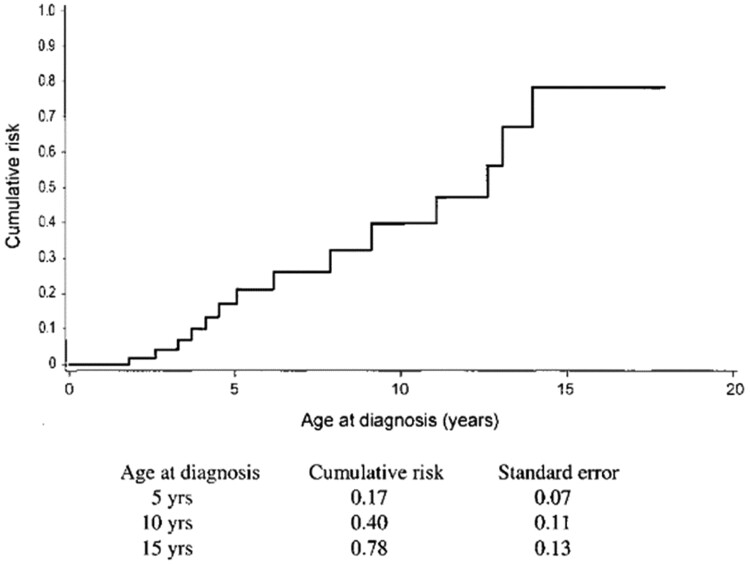
Cumulative risk of developing chronic lung disease in patients with X-linked agammaglobulinemia. Data from a multicenter study in Italy [64]. Reprinted from Plebani et al. [64]. Copyright (2002), with permission from Elsevier Science (USA)
Figure 5:
Figure 5:
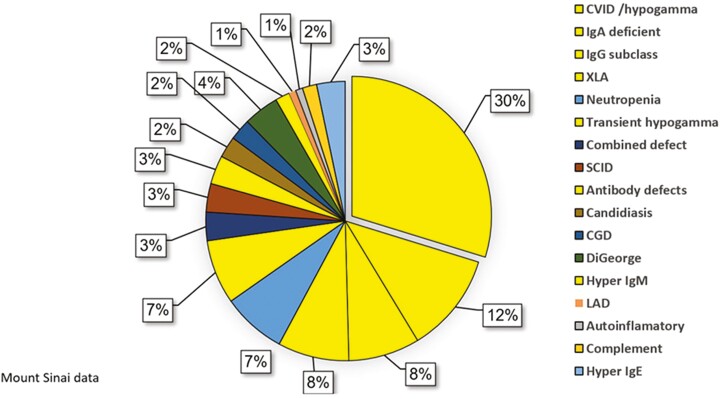
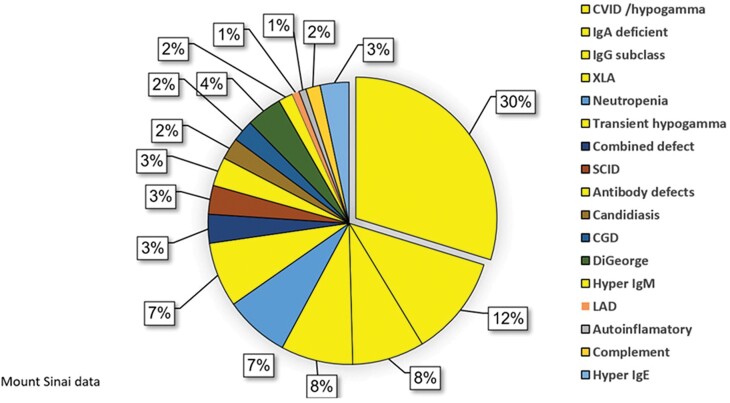
Overall prevalence of primary immune deficiencies at Mount Sinai Hospital. CGD: chronic granulomatous disease; LAD: leukocyte adhesion deficiency; SCID: severe combined immunodeficiency; XLA: X-linked agammaglobulinemia
Figure 6:
Figure 6:
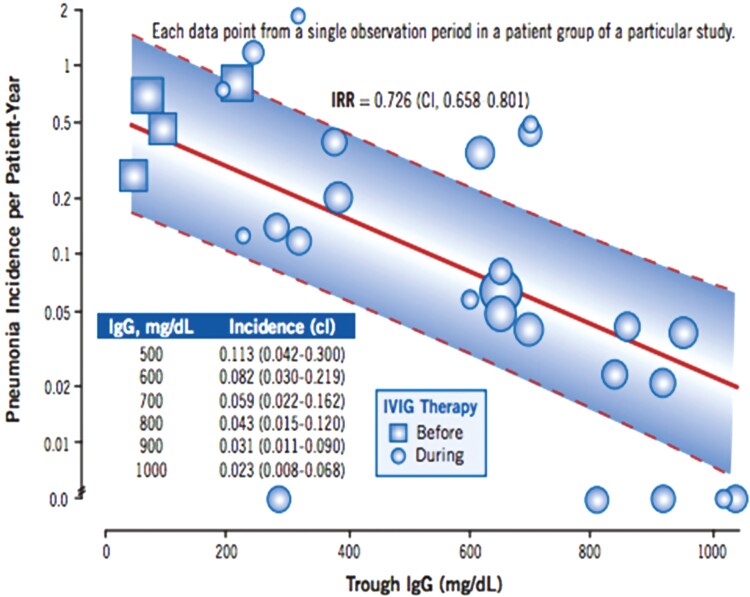
Effect of trough IgG level on pneumonia incidence per patient-year. Values before IVIG therapy are represented by squares and values after initiation of therapy are shown as circles. The solid line is the multilevel model prediction and the dashed lines are the 95% confidence interval [76]. Modified and reprinted from Orange et al. [76]. Copyright (2010), with permission from Elsevier Inc
Figure 7:
Figure 7:
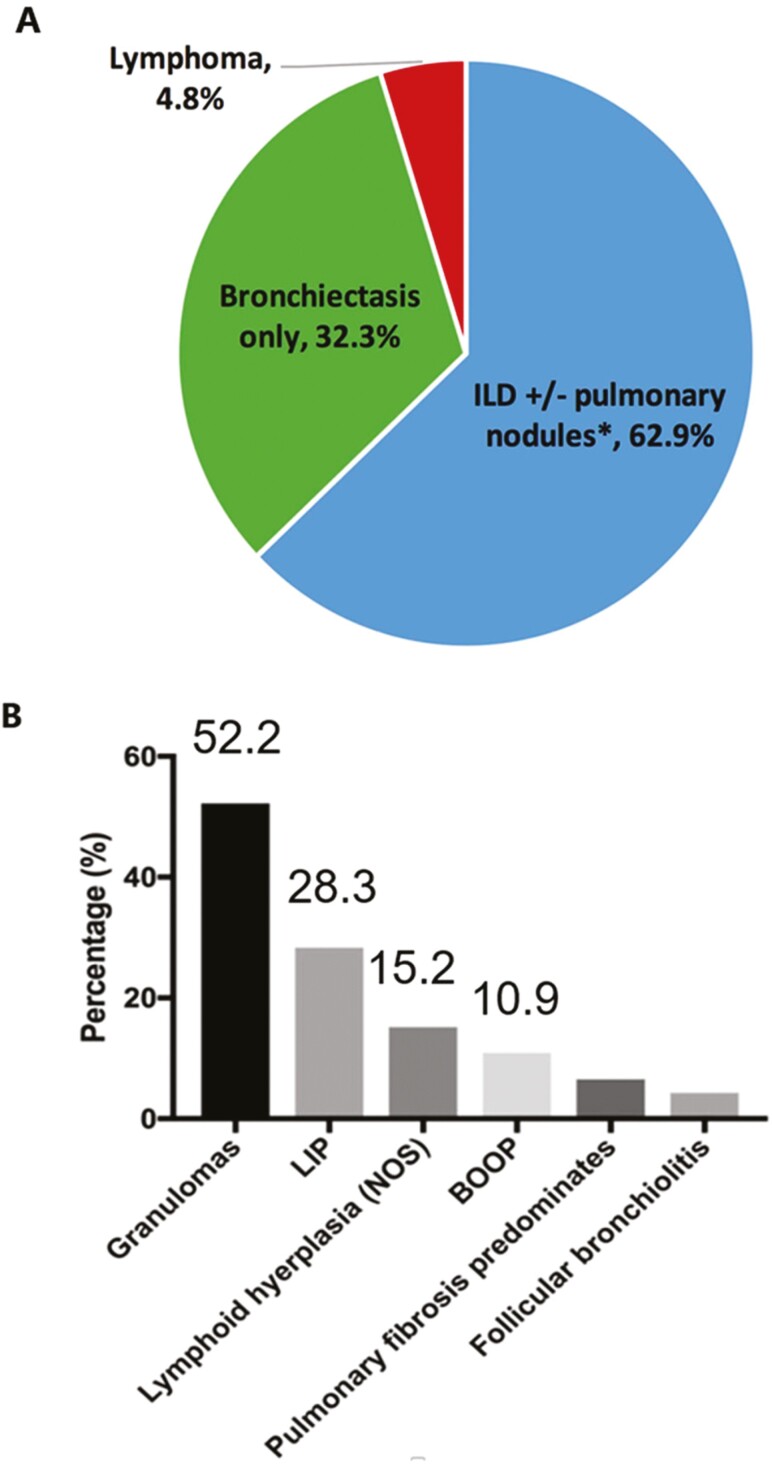
A. Chronic lung disease in Mount Sinai antibody deficient patient cohort (n = 189 of 623 patients, 30.3%). ILD: interstitial lung disease. B. Pathology of chronic lung disease in this patient cohort. BOOP: bronchiolitis obliterans organizing pneumonia; LIP: lymphocytic interstitial pneumonia; NOS: not otherwise specified (data from Shussler et al. [82])
Figure 8:
Figure 8:
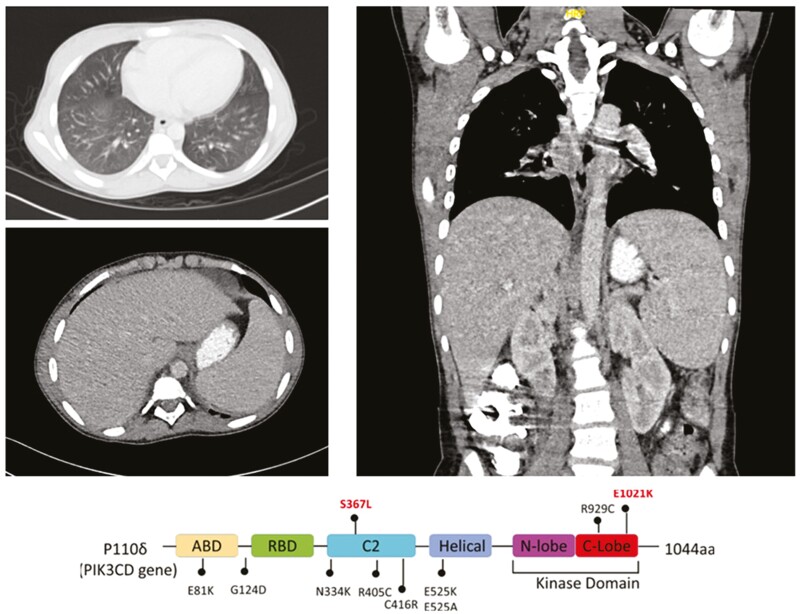
Axial CT scans of the lungs and abdomen coronal scan of the torso showing extensive lung disease and organomegaly in a patient with activated PI3K delta syndrome (APDS). The diagram of the PIK3CD gene shows the location of the patient’s mutation E1021K. Gene diagram from Zhang et al. [89]. The numbers indicate mutation sites. Scans are original, not previously published. Gene diagram: Copyright 2018 Chinese Medical Association. Published by John Wiley & Sons, Australia, Ltd. on behalf of Futang Research Center of Pediatric Development under CC BY NC ND license

Similar articles

References

    1. Kuruvilla M, de la Morena MT.. Antibiotic prophylaxis in primary immune deficiency disorders. J Allergy Clin Immunol Pract 2013, 1, 573–82. doi: 10.1016/j.jaip.2013.09.013 - DOI - PubMed
    1. Papadopoulou-Alataki E, Hassan A, Davies EG.. Prevention of infection in children and adolescents with primary immunodeficiency disorders. Asian Pac J Allergy Immunol 2012, 30, 249–58. - PubMed
    1. Hanitsch L, Baumann U, Boztug K, Burkhard-Meier U, Fasshauer M, Habermehl P, et al. Treatment and management of primary antibody deficiency: German interdisciplinary evidence-based consensus guideline. Eur J Immunol 2020, 50, 1432–46. doi: 10.1002/eji.202048713 - DOI - PubMed
    1. Fischer A, Provot J, Jais J-P, Alcais A, Mahlaoui N; members of the CEREDIH French PID study group. Autoimmune and inflammatory manifestations occur frequently in patients with primary immunodeficiencies. J Allergy Clin Immunol 2017, 140, 1388–93.e8. doi: 10.1016/j.jaci.2016.12.978 - DOI - PubMed
    1. Walter JE, Ayala IA, Milojevic D.. Autoimmunity as a continuum in primary immunodeficiency. Curr Opin Pediatr 2019, 31, 851–62. doi: 10.1097/MOP.0000000000000833 - DOI - PMC - PubMed

Grants and funding