


Racial and Ethnic Disparities in Occult Hypoxemia Prevalence and Clinical Outcomes Among Hospitalized Patients: A Systematic Review and Meta-analysis
- PMID: 39020232
- PMCID: PMC11436614
- DOI: 10.1007/s11606-024-08852-1
Racial and Ethnic Disparities in Occult Hypoxemia Prevalence and Clinical Outcomes Among Hospitalized Patients: A Systematic Review and Meta-analysis
Abstract
Background: There is growing concern that pulse oximeters are routinely less accurate in hospitalized patients with darker skin pigmentation, in turn increasing risk of undetected (occult) hypoxemia and adverse clinical outcomes. The aim of this systematic review and meta-analysis was to synthesize evidence on racial and ethnic disparities in occult hypoxemia prevalence and clinical impacts of undetected hypoxemia.
Methods: Ovid MEDLINE, Embase, and CINAHL databases were searched for relevant articles published through January 2024. Eligible studies must have been conducted among adults in inpatient or outpatient settings and report occult hypoxemia prevalence stratified by patient race or ethnicity, or clinical outcomes stratified by patient race or ethnicity and occult hypoxemia status. Screening for inclusion was conducted independently by two investigators. Data extraction and risk of bias assessment were conducted by one investigator then checked by a second. Outcome data were synthesized using random-effects meta-analyses.
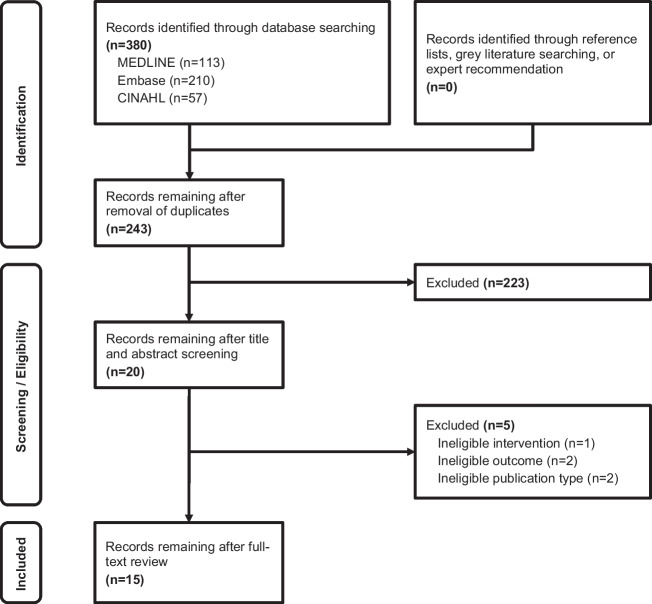
Results: Fifteen primary studies met eligibility criteria and reported occult hypoxemia prevalence in 732,505 paired oximetry measurements from 207,464 hospitalized patients. Compared with White patients, occult hypoxemia is likely more common among Black patients (pooled prevalence ratio = 1.67, 95% CI 1.47 to 1.90) and among patients identifying as Asian, Latinx, Indigenous, multiracial, or other race or ethnicity (pooled prevalence ratio = 1.39, 95% CI 1.19 to 1.64). Findings from studies reporting clinical outcomes suggest that Black patients with undetected hypoxemia may experience poorer treatment delivery outcomes than White patients with undetected hypoxemia. No evidence was found from outpatient settings.
Discussion: This review and included primary studies rely on self-identified race or ethnicity, which may obscure variability in occult hypoxemia risk. Findings underscore that clinicians should be aware of the risk of occult hypoxemia in hospitalized patients with darker skin pigmentation. Moreover, oximetry data from included studies suggests that the accuracy of pulse oximeters could vary substantially from patient to patient and even within individual patients.
Trial registration: PROSPERO ( CRD42023402152 ).
Keywords: diagnostic errors; healthcare disparities; hypoxemia.
© 2024. This is a U.S. Government work and not under copyright protection in the US; foreign copyright protection may apply.
Conflict of interest statement
NJP, EHB, and SY declare no competing interests. TSV reports grant funding from the National Institutes of Health (R01HL157361) and the Department of Veterans Affairs (IIR23-020).
Figures

References
Publication types
MeSH terms
Grants and funding
LinkOut - more resources
Full Text Sources
Miscellaneous
