


Oral health inequalities in immigrant populations worldwide: a scoping review of dental caries and periodontal disease prevalence
- PMID: 39044172
- PMCID: PMC11267954
- DOI: 10.1186/s12889-024-19354-4
Oral health inequalities in immigrant populations worldwide: a scoping review of dental caries and periodontal disease prevalence
Abstract
Background: Inequalities in immigrants' oral health are often masked in population-level data. Therefore, this paper was planned to assess the prevalence data on oral health diseases, namely dental caries, and periodontitis, among immigrants worldwide.
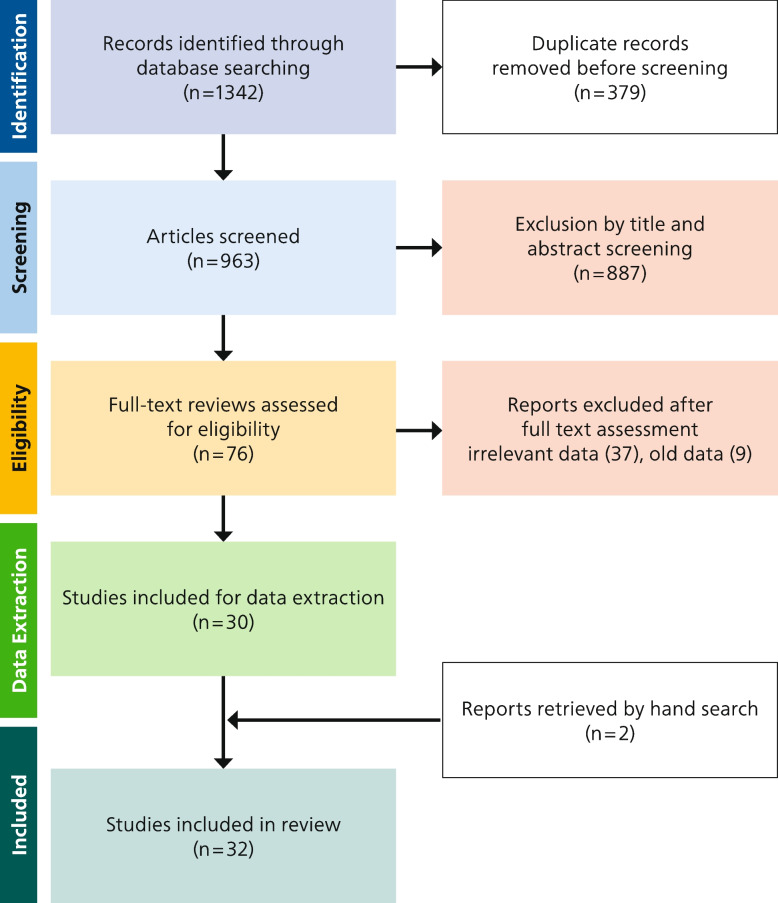
Methods: Following a systematic search in Scopus, Embase, and PubMed for studies published between 2011 and 2023, 1342 records were identified. Following title and abstract screening, 76 studies remained for full-text eligibility-screening based on predefined inclusion criteria. Thirty-two studies were included in the review.
Results: Dental caries figures were higher in immigrant populations compared to the local population, regardless of host countries, age, gender, or nationality. In children, the overall mean and standard deviation (SD) for decayed, missing, and filled teeth in the primary dentition (d3mft) was 3.63(2.47), and for D3MFT (permanent dentition), it was 1.7(1.2). Upon comparing overall mean caries counts in children and adults with their control groups in the included studies, untreated dental caries (D3T and d3t) constituted the dominant share of caries experience (D3MFT and d3mft) in immigrant children. For the local population, the highest proportion of caries experience was attributed to filled teeth (FT and ft). Dentin caries prevalence among immigrants ranged from 22% to 88.7% in the primary dentition and 5.6% to 90.9% in the permanent dentition. Gingivitis ranged from 5.1% to 100%. Oral health varied greatly between studies. Regarding oral health accessibility, 52% to 88% of immigrant children had never been to a dentist, suggesting a very limited level of accessibility to dental health services.
Conclusion: It is imperative to develop interventions and policies that have been customized to address the oral health disparities experienced by immigrant populations. Additionally, host countries should actively implement measures aimed at enhancing the accessibility of oral health care services for these individuals. The utilization of available data is crucial in establishing a hierarchy of objectives aimed at enhancing the oral health of immigrant populations.
Trial registration: The Scoping review protocol was registered at OSF Registries with registration number ( https://doi.org/10.17605/OSF.IO/MYXS4 ).
Keywords: Caries lesion; DMFT; Dental caries; Dmft; Emigrants and Immigrants; Gingivitis; Global burden of oral disease; Oral health; Periodontal diseases.
© 2024. The Author(s).
Conflict of interest statement
The authors declare no competing interests.
Figures
References
-
- McAuliffe M, Khadria B. International Organization for Migration (2021). World Migration Report. 2022
