


Patient Satisfaction Following Orthodontic Treatment: A Systematic Review
- PMID: 39055972
- PMCID: PMC11271306
- DOI: 10.7759/cureus.65339
Patient Satisfaction Following Orthodontic Treatment: A Systematic Review
Abstract
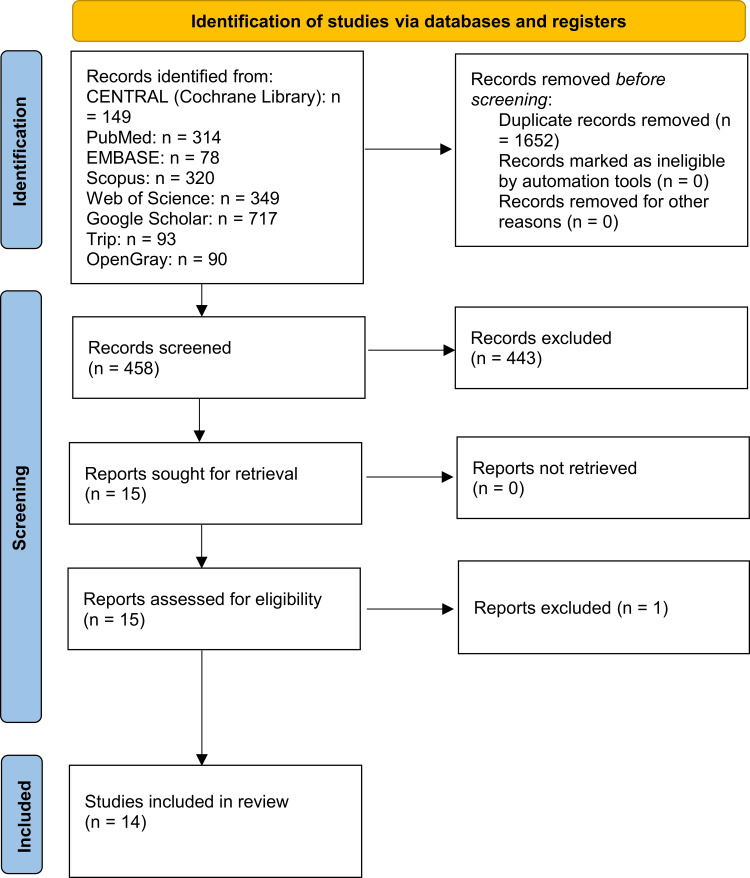
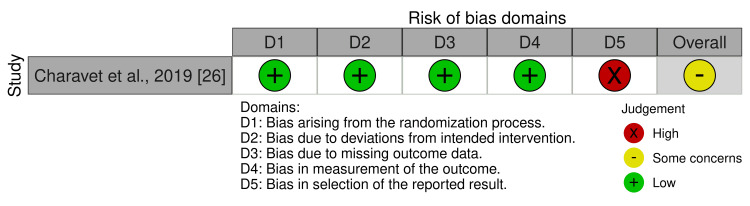
Patient-reported outcome measures (PROMs) have become increasingly important in orthodontic treatment as they reflect patients' perceptions of treatment outcomes. Understanding patient satisfaction with orthodontic treatment is crucial for improving healthcare delivery and patient-centered care. This systematic review aimed to critically appraise the evidence regarding patient satisfaction after orthodontic treatment, exploring the effects of different treatment types, patient demographics, and other factors on satisfaction levels. Eight electronic bibliographic databases were searched without publication time or language restrictions, including PubMed®, Scopus®, the Cochrane Central Register of Controlled Trials, Web of Science™, Embase®, Google™ Scholar, Trip, and OpenGrey. A manual search was conducted on the references in the included papers. Eligibility criteria were established based on the Population, Intervention, Comparison, Outcomes, and Study (PICOS) framework. Studies were included if they reported patient satisfaction levels following orthodontic treatment using standardized questionnaires. Two reviewers independently collected and analyzed the data. The risk of bias was assessed using Cochrane's risk of bias tool (RoB2) for randomized clinical trials, and the methodologic quality for cohort and cross-sectional studies was assessed using the modified version of the Newcastle-Ottawa scale. Fourteen studies employed various questionnaires and timings to gauge post-orthodontic treatment satisfaction. Patient satisfaction levels were generally high, with most studies reporting satisfaction rates above 91%. Fixed orthodontic appliances were associated with higher satisfaction levels compared to removable appliances. While age and gender did not significantly influence satisfaction, the quality of care and doctor-patient relationships were crucial factors in patient satisfaction. This systematic review proves that patient satisfaction with orthodontic treatment is generally high, with fixed appliances and positive doctor-patient relationships contributing to higher satisfaction levels. However, the quality of the evidence was moderate to low, highlighting the need for further high-quality clinical studies in this area.
Keywords: fixed appliances; orthodontic treatment; patient-centered care; patient-reported outcome measures; patients’ satisfaction; removable appliances.
Copyright © 2024, Almasri et al.
Conflict of interest statement
Conflicts of interest: In compliance with the ICMJE uniform disclosure form, all authors declare the following: Payment/services info: All authors have declared that no financial support was received from any organization for the submitted work. Financial relationships: All authors have declared that they have no financial relationships at present or within the previous three years with any organizations that might have an interest in the submitted work. Other relationships: All authors have declared that there are no other relationships or activities that could appear to have influenced the submitted work.
Figures
References
-
- Evaluation of patient-reported outcome measures (PROMs) during surgically-assisted acceleration of orthodontic treatment: a systematic review and meta-analysis. Mousa MM, Hajeer MY, Burhan AS, Almahdi WH. Eur J Orthod. 2022;44:622–635. - PubMed
-
- Evaluation of patient-centered outcomes associated with the acceleration of canine retraction by using minimally invasive surgical procedures: a randomized clinical controlled trial. Alfawal AM, Hajeer MY, Ajaj MA, Hamadah O, Brad B, Latifeh Y. Dent Med Probl. 2020;57:285–293. - PubMed
-
- Assessment of motivation, expectations and satisfaction of adult patients submitted to orthodontic treatment. Oliveira PG, Tavares RR, Freitas JC. Dental Press J Orthod. 2013;18:81–87. - PubMed
-
- Acceptability comparison between Hawley retainers and vacuum-formed retainers in orthodontic adult patients: a single-centre, randomized controlled trial. Saleh M, Hajeer MY, Muessig D. Eur J Orthod. 2017;39:453–461. - PubMed
-
- Adolescent patients' treatment motivation and satisfaction with orthodontic treatment. Do possible selves matter? Anderson LE, Arruda A, Inglehart MR. Angle Orthod. 2009;79:821–827. - PubMed
Publication types
LinkOut - more resources
Full Text Sources