


Clinical presentation and outcomes of care in adults with diabetic ketoacidosis pre-COVID-19 and during-COVID-19 at a tertiary, referral hospital in Nairobi, Kenya
- PMID: 39060948
- PMCID: PMC11282815
- DOI: 10.1186/s12902-024-01610-8
Clinical presentation and outcomes of care in adults with diabetic ketoacidosis pre-COVID-19 and during-COVID-19 at a tertiary, referral hospital in Nairobi, Kenya
Abstract
Background: Prognosis of DKA has improved over time with the availability of evidence-based protocols and resources. However, in Kenya, there are limited resources for the appropriate diagnosis and management of DKA, mostly limited to tertiary-level referral facilities. This study aimed to review the clinical presentation, management, and outcomes of adult patients admitted with DKA and assess differences in these parameters before and during the COVID-19 pandemic.
Methods: This was a retrospective study of DKA admissions from January 2017 to December 2021. Patient data were retrieved from the medical records department using ICD-10 codes, and individual details were abstracted on clinical presentation, management, and outcomes of DKA. Comparisons were made between pre-COVID-19 and during COVID-19 durations.
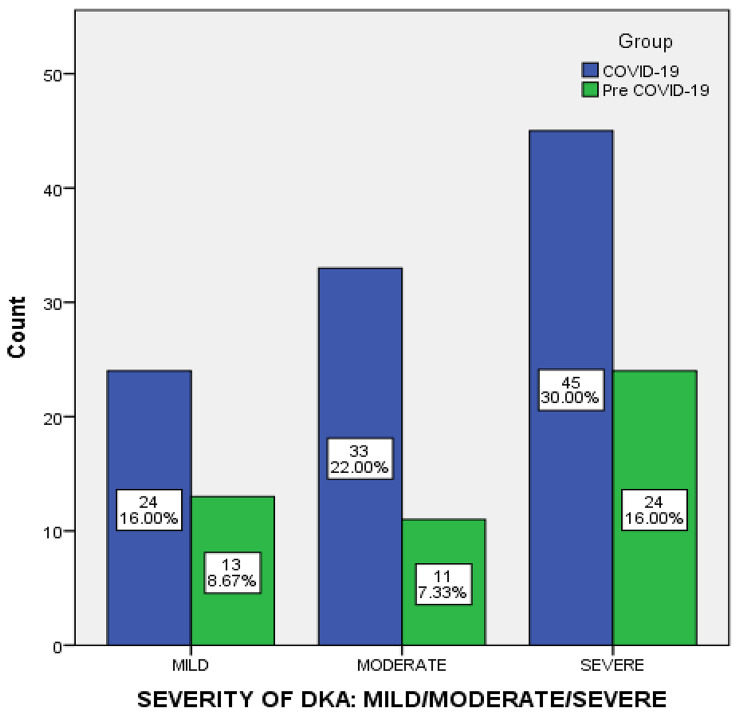
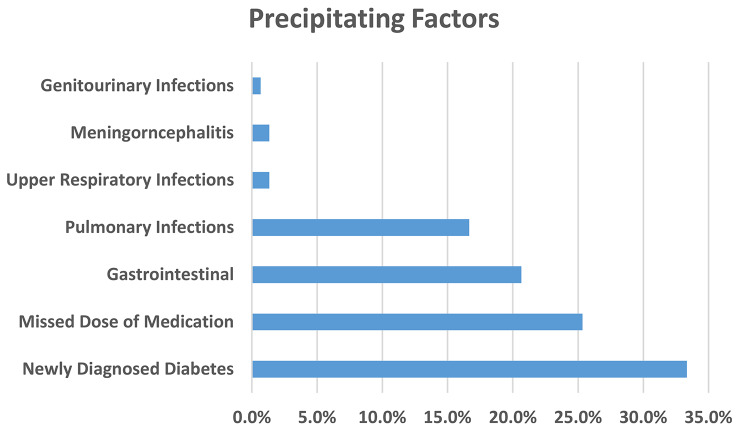
Results: 150 patients admitted with DKA were included (n = 48 pre- COVID-19, n = 102 during COVID-19 (n = 23 COVID-19 positive, n = 79 COVID-19 negative)). Median age was 47 years (IQR 33.0, 59.0), median HbA1C was 12.4% [IQR 10.8, 14.6]), and most patients had severe DKA (46%). Most common DKA precipitants were infections (40.7%), newly diagnosed diabetes (33.3%) and missed medication (25.3%). There was a significant difference in pulmonary infections as a DKA precipitant, between the pre- COVID and during COVID-19 pandemic (21.6% during COVID-19 versus 6.3% pre- COVID-19; p = 0.012). Median total insulin dose used was 110.0 units [IQR 76.0, 173.0], and a 100% of patients received basal insulin. Median length of hospital stay was 4.0 days [IQR 3.0, 6.0] and time to DKA resolution was 30.0 h [IQR 24.0, 48.0]. There were 2 deaths (1.3%), none directly attributable to DKA. Severity of DKA significantly differed between pre- COVID-19, COVID-19 positive and COVID-19 negative DKA (52.2% of COVID-19 positive had moderate DKA compared to 26.6% of COVID-19 negative and 22.9% of Pre-COVID-19 (p = 0.006)).
Conclusion: Even in developing regions, good outcomes can be achieved with the appropriate facilities for DKA management. Clinician and patient education is necessary to ensure early detection and prompt referral to avoid patients presenting with severe DKA. Exploratory studies are needed to assess reasons for prolonged time to DKA resolution found in this study.
Keywords: Aga Khan University Hospital.; COVID-19; DKA; Diabetes ketoacidosis; Mortality; Precipitants.
© 2024. The Author(s).
Conflict of interest statement
The authors declare that there is no competing interest regarding the publication of this paper.
Figures
References
-
- Heddy N. Guideline for the management of children and young people under the age of 18 years with diabetic ketoacidosis (British Society for Paediatric Endocrinology and Diabetes).Arch Dis Child Educ Pract. 2021;106(4):220–2. - PubMed
MeSH terms
LinkOut - more resources
Full Text Sources
Medical
Miscellaneous
