


Multiple Sclerosis and Clostridium perfringens Epsilon Toxin: Is There a Relationship?
- PMID: 39061966
- PMCID: PMC11274216
- DOI: 10.3390/biomedicines12071392
Multiple Sclerosis and Clostridium perfringens Epsilon Toxin: Is There a Relationship?
Abstract
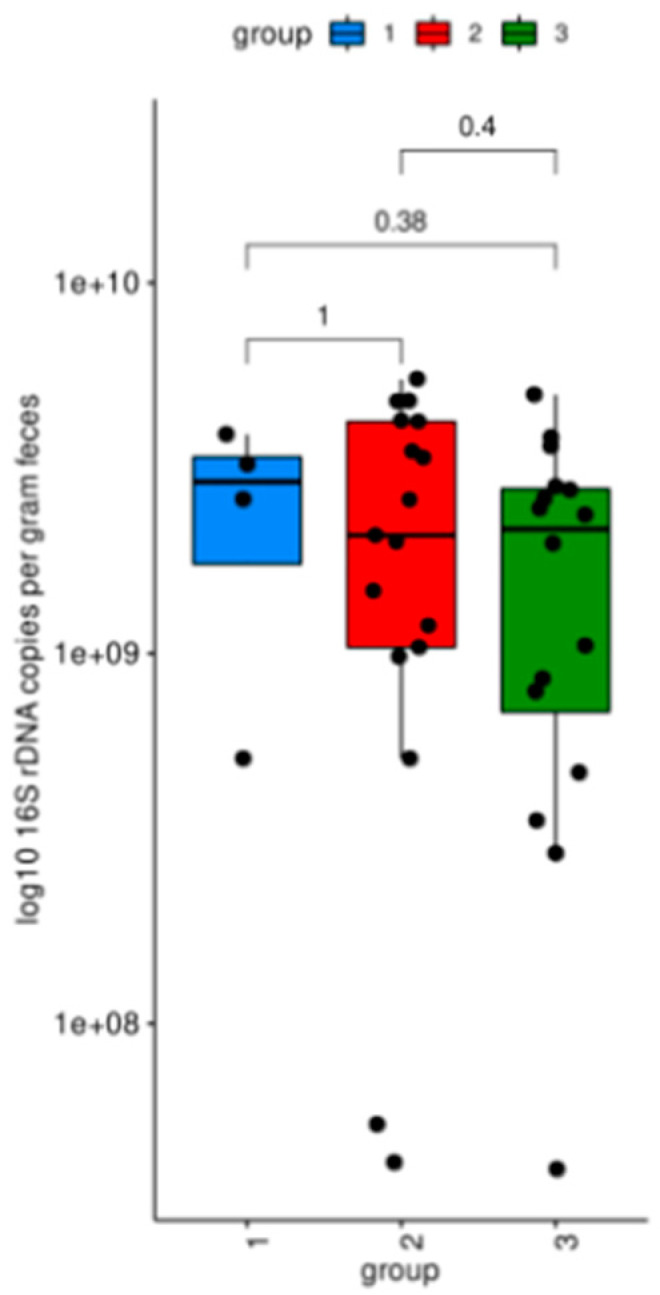
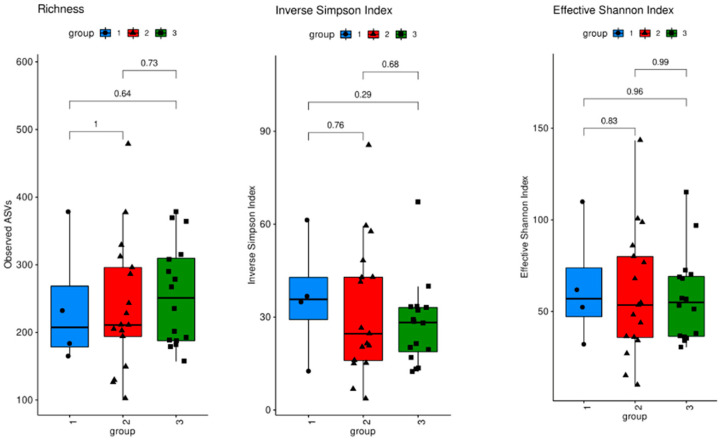
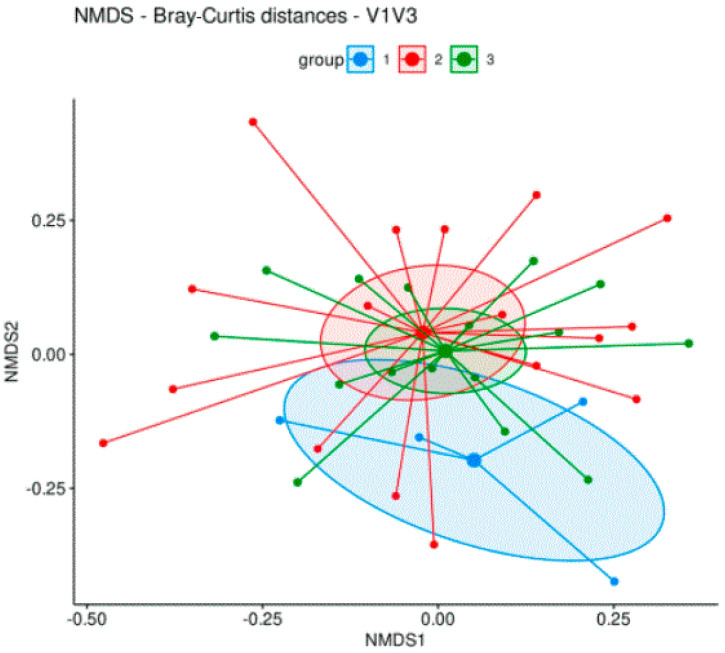
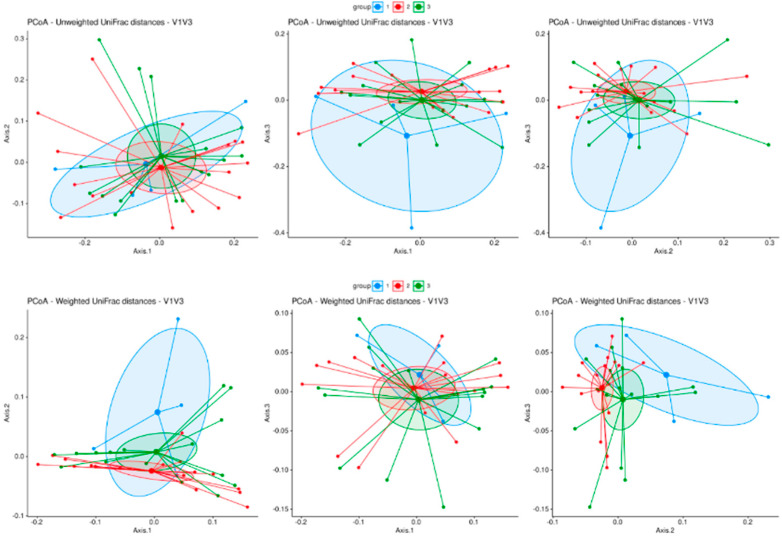
Recent research has suggested a link between multiple sclerosis and the gut microbiota. This prospective pilot study aimed to investigate the composition of the gut microbiota in MS patients, the presence of Clostridium perfringens epsilon toxin in the serum of MS patients, and the influence of disease-modifying drugs (DMDs) on epsilon toxin levels and on the microbiota. Epsilon toxin levels in blood were investigated by two methods, a qualitative ELISA and a highly sensitive quantitative ELISA. Neither epsilon toxin nor antibodies against it were detected in the analyzed serum samples. 16S ribosomal RNA sequencing was applied to obtain insights into the composition of the gut microbiota of MS patients. No significant differences in the quantity, diversity, and the relative abundance of fecal microbiota were observed in the gut microbiota of MS patients receiving various DMDs, including teriflunomide, natalizumab, ocrelizumab, and fingolimod, or no therapy. The present study did not provide evidence supporting the hypothesis of a causal relationship between Clostridium perfringens epsilon toxin and multiple sclerosis.
Keywords: C. perfringens epsilon toxin; Clostridium perfringens; microbiota; multiple sclerosis.
Conflict of interest statement
F.B. declares no conflicts of interest. The funders had no role in the design of this study; in the collection, analyses, or interpretation of data; in the writing of the manuscript; or in the decision to publish the results. A.H. declares no conflicts of interest. H.T. has participated in meetings sponsored by or received honoraria for acting as an advisor/speaker for Alexion, Bayer, Biogen, Bristol-Myers Squibb, Celgene, Diamed, Fresenius, Fujirebio, GlaxoSmithKline, Horizon, Janssen-Cilag, Merck, Novartis, Roche, Sanofi-Genzyme, Siemens, and Teva.
Figures
References
-
- Berer K., Gerdes L.A., Cekanaviciute E., Jia X., Xiao L., Xia Z., Liu C., Klotz L., Stauffer U., Baranzini S.E., et al. Gut microbiota from multiple sclerosis patients enables spontaneous autoimmune encephalomyelitis in mice. Proc. Natl. Acad. Sci. USA. 2017;114:10719–10724. doi: 10.1073/pnas.1711233114. - DOI - PMC - PubMed
Grants and funding
LinkOut - more resources
Full Text Sources
