


The Effect of the Initiator/Activator/Accelerator Ratio on the Degree of Conversion, Film Thickness, Flow, and Cytotoxicity of Dual-Cured Self-Adhesive Resin Cements
- PMID: 39063864
- PMCID: PMC11278755
- DOI: 10.3390/ma17143572
The Effect of the Initiator/Activator/Accelerator Ratio on the Degree of Conversion, Film Thickness, Flow, and Cytotoxicity of Dual-Cured Self-Adhesive Resin Cements
Abstract
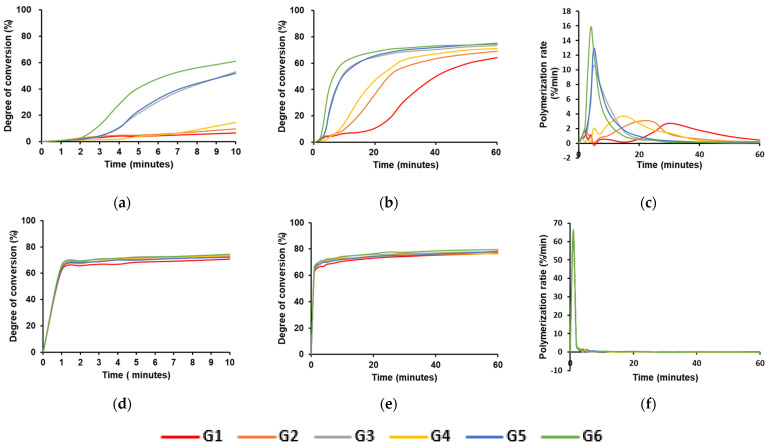
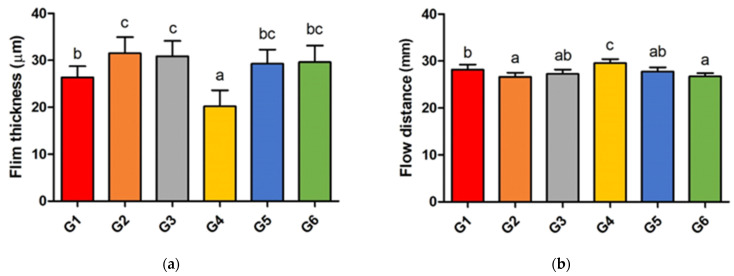
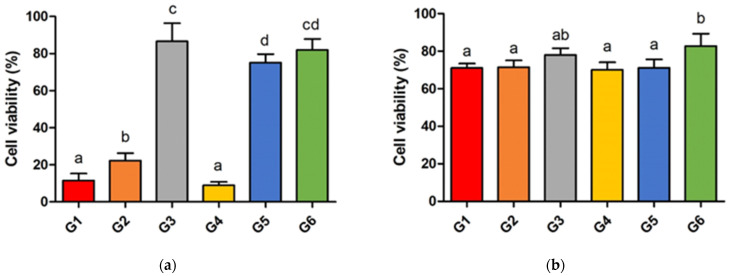
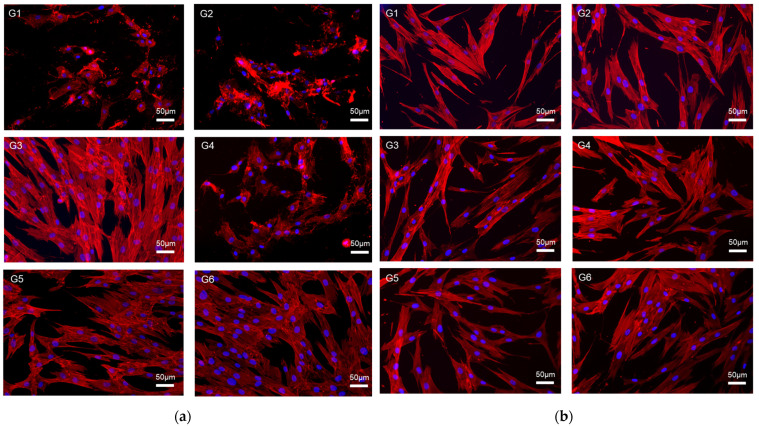
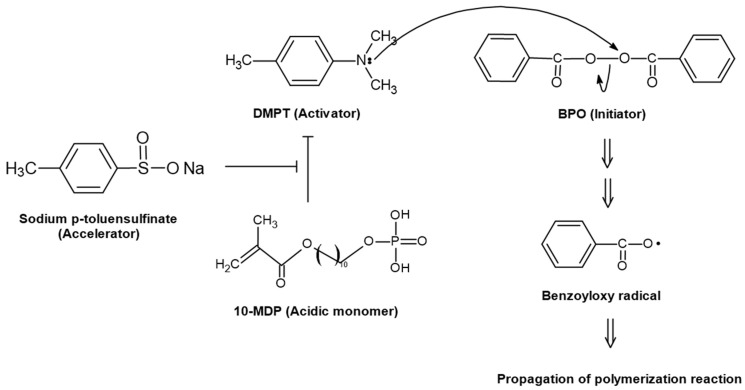
Although self-adhesive resin cements are convenient and less technique-sensitive materials for dental clinicians, they exhibit a lower degree of conversion due to acidic components in their composition. Supplementation of the initiator, accelerator, and activator in self-adhesive resin cements has been suggested to compensate for the lower degree of conversion. This study aimed to evaluate the effects of different combinations of self-curing initiators, self-curing activators, and accelerators on the degree of conversion (DC) of self-adhesive resin cements. A dual-cured self-adhesive resin was prepared using six combinations of initiators, activators, and accelerators. The change in the DC over time was evaluated with and without light curing. The film thickness, flow properties, and cytotoxicity of each formulation were assessed. The results showed that all supplemental components had an effect on increasing the DC, but a greater increase in the DC was observed in the following order: activator, accelerator, and initiator. The cytotoxicity of the resin cements was related to the DC values, as resin cements with lower DC values exhibited higher cytotoxicity. The film thickness met the ISO standards for all groups. The results suggest that utilizing an activator is the most effective approach to enhance the DC in self-adhesive resin cement and that cytotoxicity tended to increase with lower DC values, whereas film thickness and flow properties demonstrated no correlation with DC values.
Keywords: accelerator; activator; auto polymerization; degree of conversion; initiator; self-adhesive resin cements.
Conflict of interest statement
The authors declare no conflicts of interest.
Figures

References
Grants and funding
LinkOut - more resources
Full Text Sources
Miscellaneous
