


Exploring the Mechanism of Topical Application of Clematis Florida in the Treatment of Rheumatoid Arthritis through Network Pharmacology and Experimental Validation
- PMID: 39065764
- PMCID: PMC11280274
- DOI: 10.3390/ph17070914
Exploring the Mechanism of Topical Application of Clematis Florida in the Treatment of Rheumatoid Arthritis through Network Pharmacology and Experimental Validation
Abstract
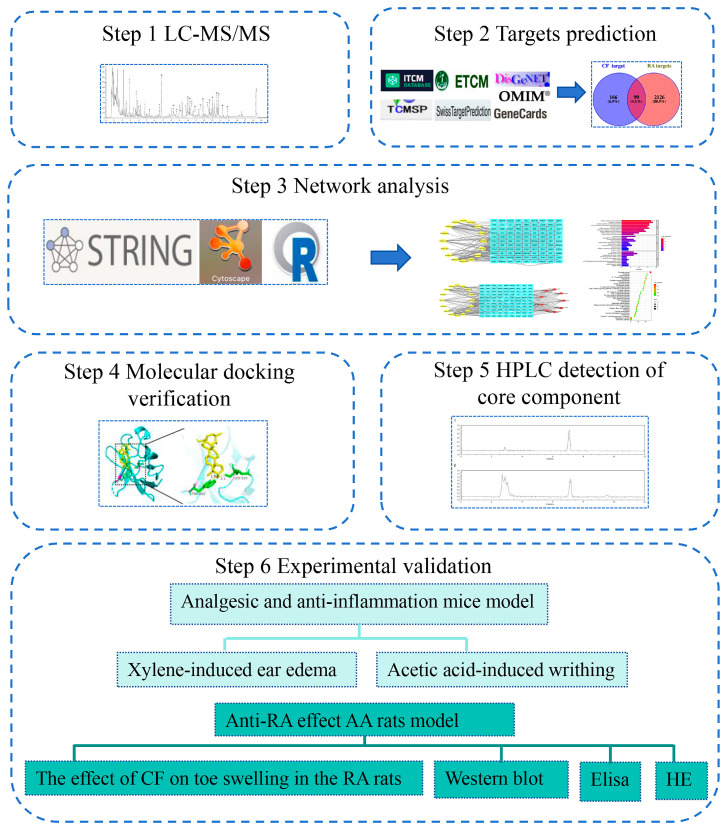
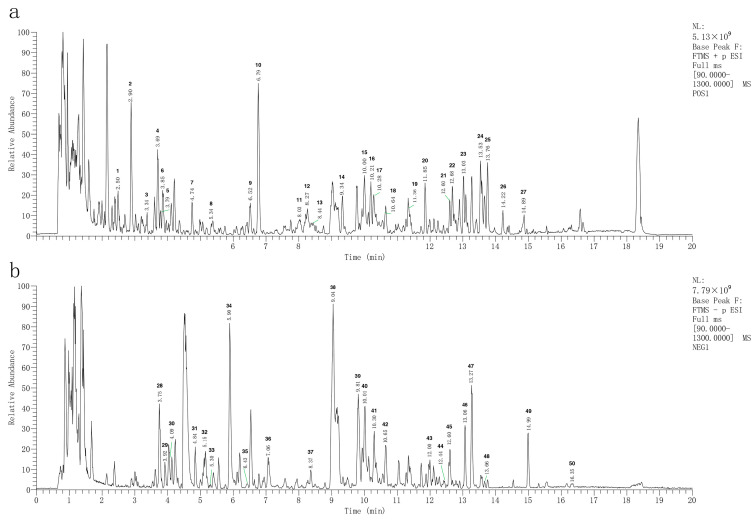
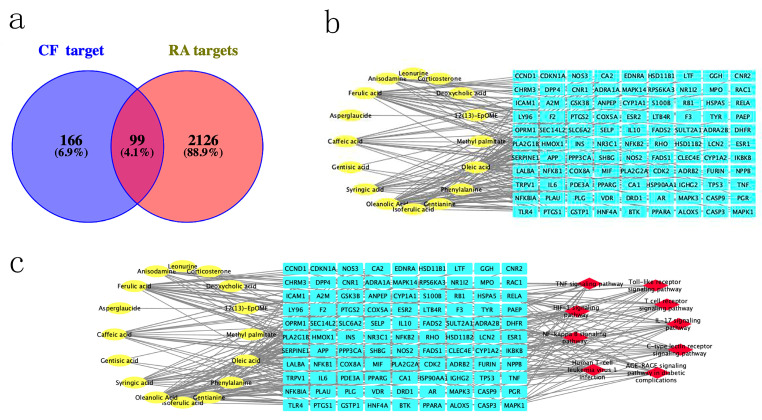
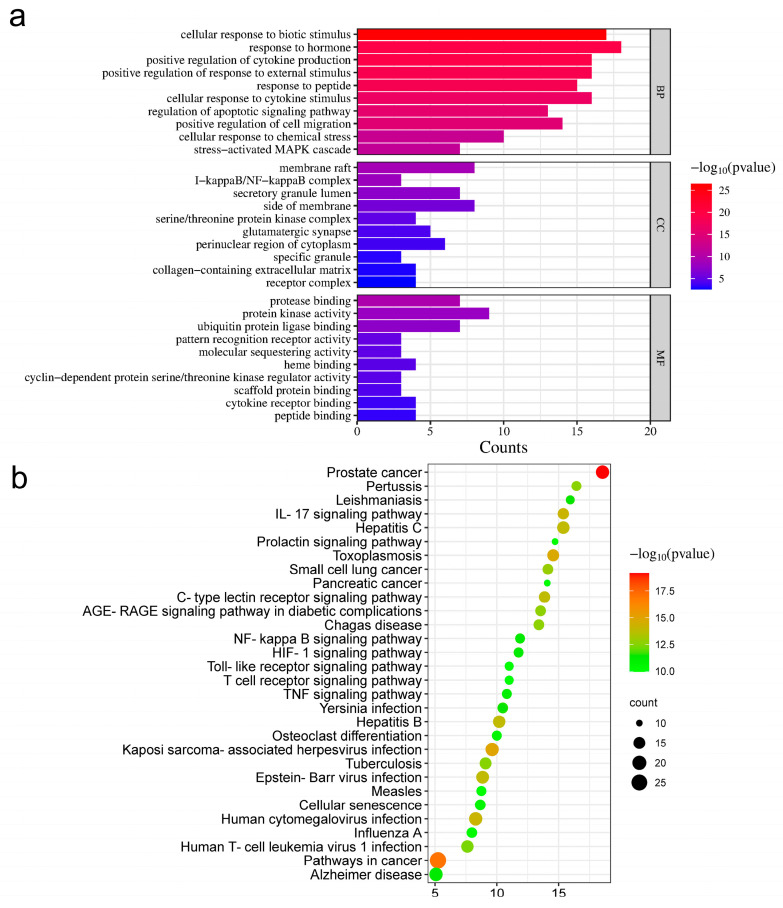
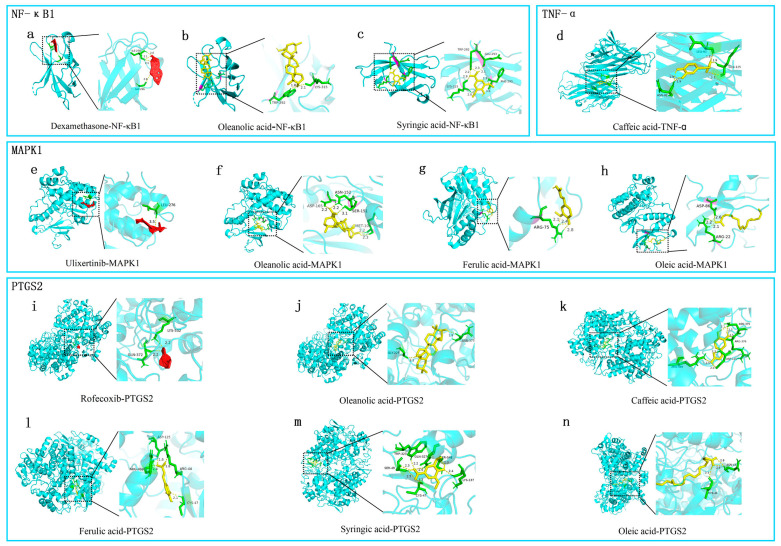
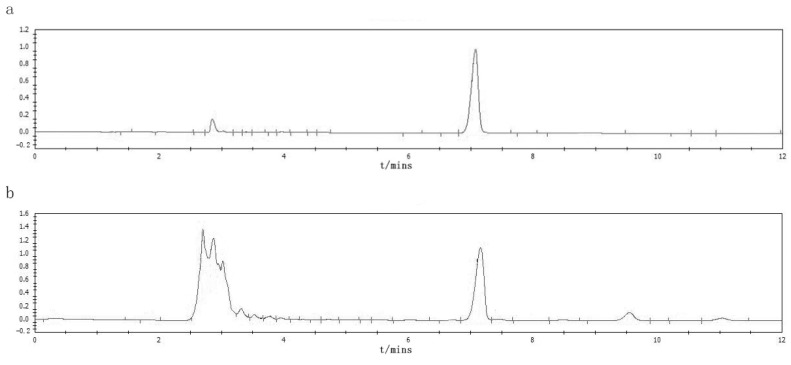
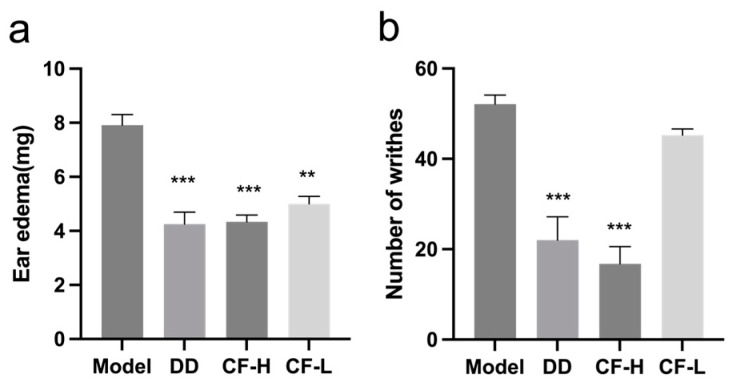
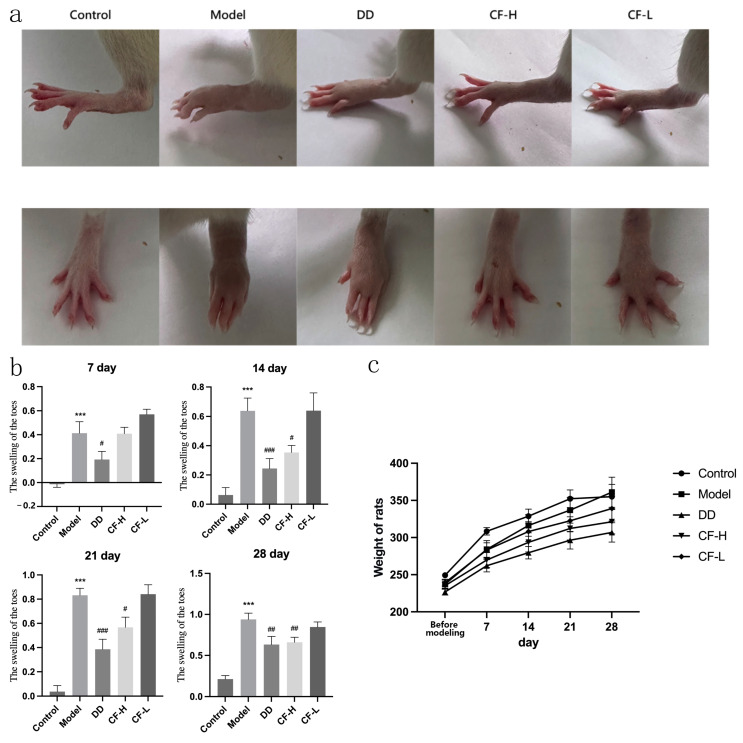
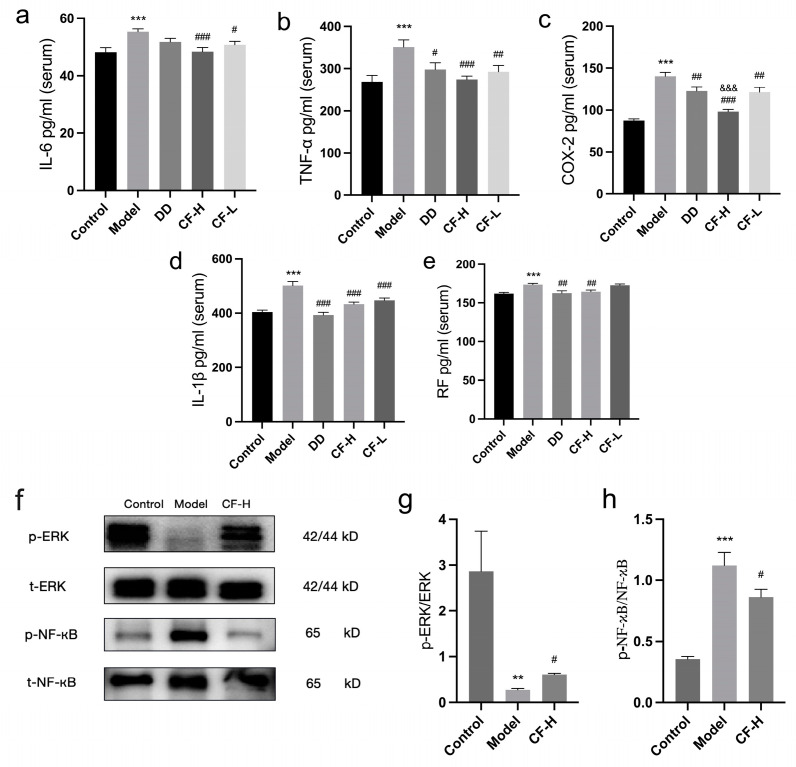
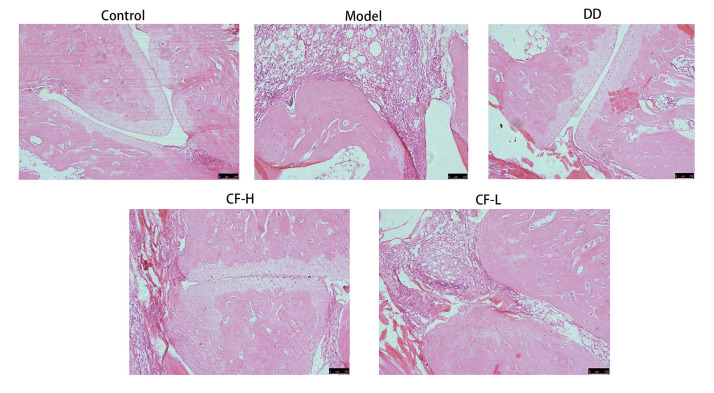
Clematis Florida (CF) is a folk medicinal herb in the southeast of China, which is traditionally used for treating osteoarticular diseases. However, the mechanism of its action remains unclear. The present study used network pharmacology and experimental validation to explore the mechanism of CF in the treatment of rheumatoid arthritis (RA). Liquid chromatography-mass spectrometry (LC-MS/MS) identified 50 main compounds of CF; then, their targets were obtained from TCMSP, ETCM, ITCM, and SwissTargetPrediction databases. RA disease-related targets were obtained from DisGeNET, OMIM, and GeneCards databases, and 99 overlapped targets were obtained using a Venn diagram. The protein-protein interaction network (PPI), the compound-target network (CT), and the compound-potential target genes-signaling pathways network (CPS) were constructed and analyzed. The results showed that the core compounds were screened as oleanolic acid, oleic acid, ferulic acid, caffeic acid, and syringic acid. The core therapeutic targets were predicted via network pharmacology analysis as PTGS2 (COX-2), MAPK1, NF-κB1, TNF, and RELA, which belong to the MAPK signaling pathway and NF-κB signaling pathway. The animal experiments indicated that topical application of CF showed significant anti-inflammatory activity in a mouse model of xylene-induced ear edema and had strong analgesic effect on acetic acid-induced writhing. Furthermore, in the rat model of adjuvant arthritis (AA), topical administration of CF was able to alleviate toe swelling and ameliorate joint damage. The elevated serum content levels of IL-6, COX-2, TNF-α, IL-1β, and RF caused by adjuvant arthritis were reduced by CF treatment. Western blotting tests showed that CF may regulate the ERK and NF-κB pathway. The results provide a new perspective for the topical application of CF for treatment of RA.
Keywords: Clematis Florida; MAPK; NF-κB; network pharmacology; rheumatoid arthritis.
Conflict of interest statement
We declare that we have no financial and personal relationships with other people or organizations that could have inappropriately influenced our work, there are no professional or other personal interests of any nature or kind in any product, service, and/or company that could be construed as influencing the position presented in, or the review of, this article.
Figures
References
LinkOut - more resources
Full Text Sources
Research Materials
Miscellaneous
