


A case of community-acquired Clostridioides difficile infection causing intussusception, severe pneumonia, and severe hypokalemia
- PMID: 39069609
- PMCID: PMC11285384
- DOI: 10.1186/s12879-024-09660-y
A case of community-acquired Clostridioides difficile infection causing intussusception, severe pneumonia, and severe hypokalemia
Abstract
Background: Clostridioides difficile infection is associated with antibiotic use and manifests as diarrhea; however, emerging cases of fulminant diarrhea caused by binary toxin-producing C. difficile unrelated to prior antibiotic exposure have been reported. Although fulminant colitis caused by C. difficile has been documented, instances of intussusception remain scarce. Here, we present a case of adult intussusception with severe hypokalemia and pneumonia resulting from a community-acquired C. difficile infection in Japan.
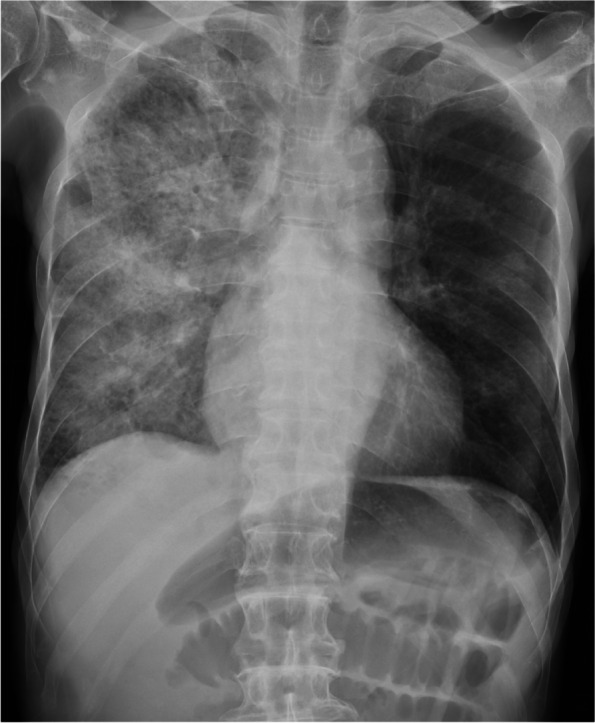
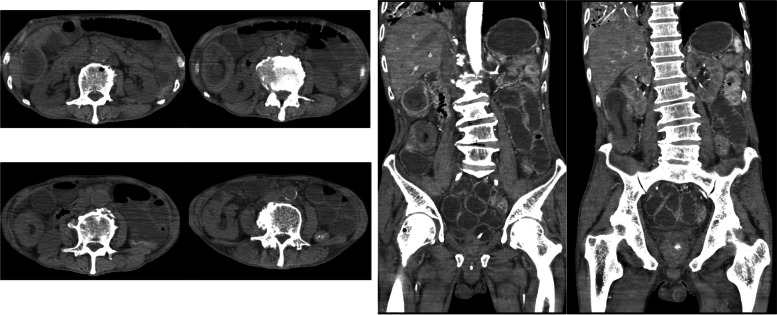
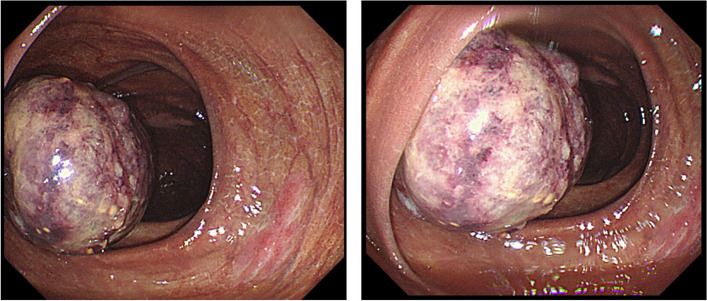
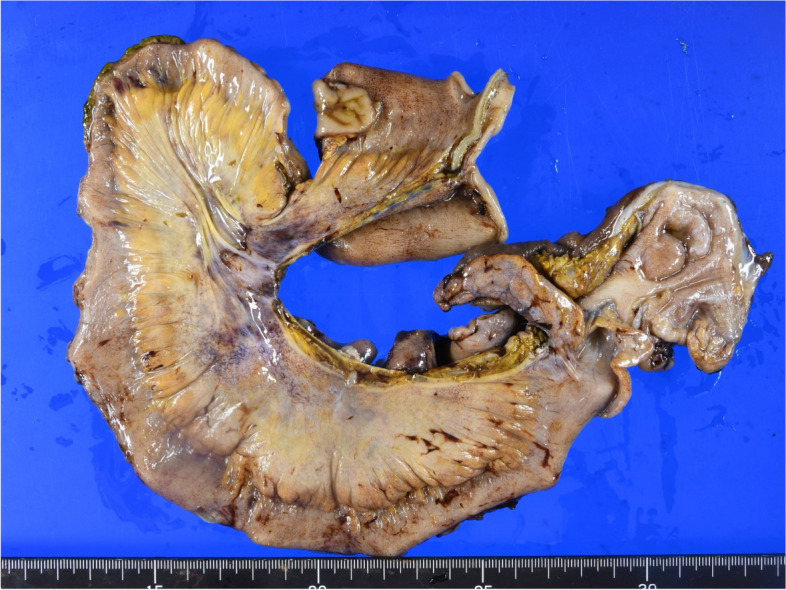
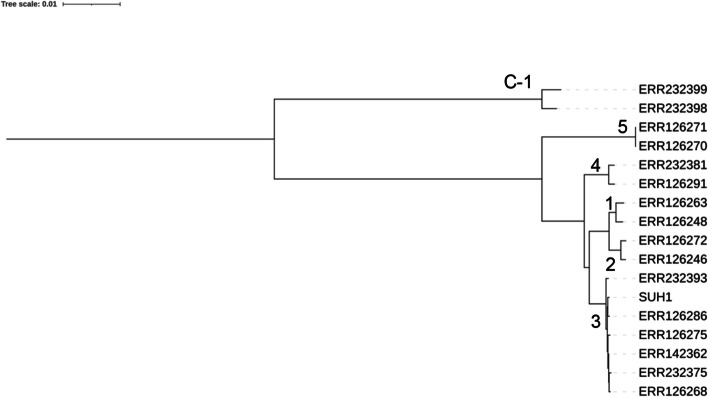
Case presentation: An 82-year-old male presented with dizziness, progressive weakness, and diarrhea. Initial vital signs indicated severe respiratory and circulatory distress, and laboratory findings revealed hypokalemia, pneumonia, and septic shock. Imaging confirmed intussusception of the ascending colon. Although colonoscopy suggested a potential tumor, no malignancy was found. The C. difficile rapid test result was positive, indicating community-acquired C. difficile infection. Treatment with vancomycin was initiated; however, intussusception relapsed. Surgical intervention was successful and led to clinical improvement. The patient's complex pathophysiology involved community-acquired C. difficile-induced severe diarrhea, hypokalemia, hypermetabolic alkalosis, and subsequent intussusception. Although adult intussusception is uncommon, this case was uniquely linked to binary toxin-producing C. difficile. The identified strain, SUH1, belonged to a novel sequence type (ST1105) and clade 3, suggesting a highly virulent clone. Resistome analysis aligned with phenotypic susceptibility to metronidazole and vancomycin, confirming their treatment efficacy.
Conclusion: This case report highlights a binary toxin-producing C. difficile that caused intussusception. The consideration of community-acquired C. difficile in the differential diagnosis of severe enteritis is necessary, even in Japan.
Keywords: Binary toxin; Clostridioides difficile; Intussusception.
© 2024. The Author(s).
Conflict of interest statement
The authors declare no competing interests.
Figures
References
-
- Jen MH, Saxena S, Bottle A, Pollok R, Holmes A, Aylin P. Assessment of administrative data for evaluating the shifting acquisition of Clostridium difficile infection in England. J Hosp Infect. 2012;2012(80):229–37. 10.1016/j.jhin.2012.01.001.[Epub. (PMID: 22306443). 10.1016/j.jhin.2012.01.001.[Epub - DOI - PubMed
-
- Arumilli BR, Koneru P, Fayyaz I. Toxic megacolon from hypervirulent Clostridium difficile infection (ribotype 027) following elective total knee replacement: An emerging challenge in modern health care. BMJ Case Rep. 2010;2010:bcr06.2009.2017. 10.1136/bcr.06.2009.2017. [Epub 2010 January 13]. PMID: 22242068, PMCID: PMC3029095. 10.1136/bcr.06.2009.2017 - DOI - PMC - PubMed
-
- Mori N, Aoki Y. Clinical characteristics and risk factors for community-acquired Clostridium difficile infection: A retrospective, case-control study in a tertiary care hospital in Japan. J Infect Chemother. 2015;2015(21):864–7. 10.1016/j.jiac.2015.09.004.[Epub. (PMID: 26482373). 10.1016/j.jiac.2015.09.004.[Epub - DOI - PubMed
Publication types
MeSH terms
Substances
LinkOut - more resources
Full Text Sources
