


Phytochemical Constituents, Biological Activities, and Health-Promoting Effects of the Melissa officinalis
- PMID: 39071243
- PMCID: PMC11283336
- DOI: 10.1155/2021/6584693
Phytochemical Constituents, Biological Activities, and Health-Promoting Effects of the Melissa officinalis
Retraction in
-
Retracted: Phytochemical Constituents, Biological Activities, and Health-Promoting Effects of the Melissa officinalis.Oxid Med Cell Longev. 2024 Jan 9;2024:9842453. doi: 10.1155/2024/9842453. eCollection 2024. Oxid Med Cell Longev. 2024. PMID: 38234522 Free PMC article.
Abstract
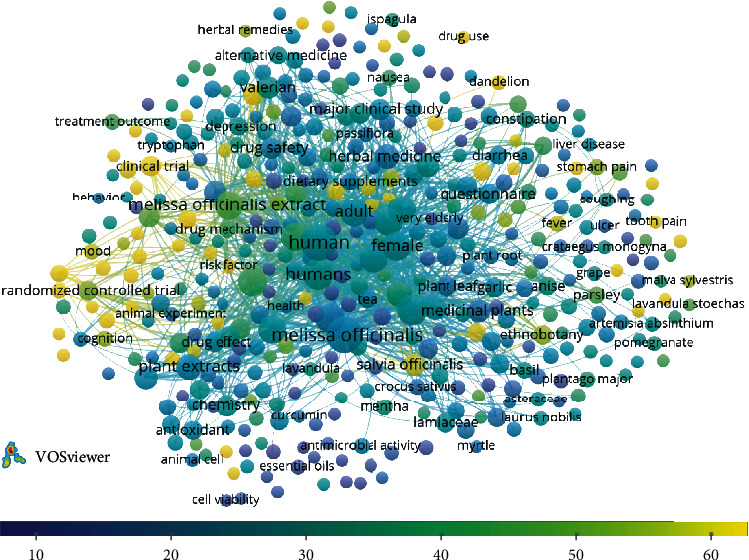
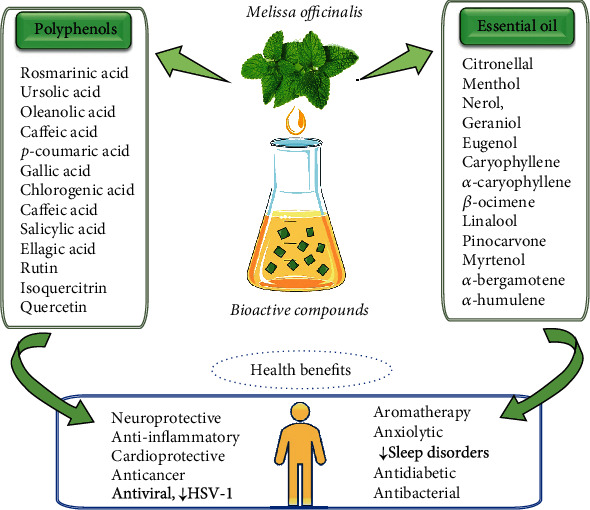
Medicinal plants are being used worldwide for centuries for their beneficial properties. Some of the most popular medicinal plants belong to the Melissa genus, and different health beneficial effects have already been identified for this genus. Among these species, in particular, the Melissa officinalis L. has been reported as having many biological activities, such as antioxidant, antimicrobial, antitumour, antiviral, antiallergic, anti-inflammatory, and also flatulence inhibiting effects. The beneficial properties of the Melissa officinalis, also known as "lemon balm herb", can be related to the bioactive compounds such as terpenoids, alcohols, rosmarinic acid, and phenolic antioxidants which are present in the plant. In this updated review, the botanical, geographical, nutritional, phytochemical, and traditional medical aspects of M. officinalis have been considered as well as in vitro and in vivo and clinically proven therapeutic properties have been reviewed with a special focus on health-promoting effects and possible perspective nutraceutical applications. To evidence the relevance of this plant in the research and completely assess the context, a literature quantitative research analysis has been performed indicating the great interest towards this plant for its beneficial properties.
Copyright © 2021 Javad Sharifi-Rad et al.
Conflict of interest statement
The authors declare no conflict of interest.
Figures
References
Publication types
LinkOut - more resources
Full Text Sources
