


Cholesterol imbalance and neurotransmission defects in neurodegeneration
- PMID: 39085348
- PMCID: PMC11371908
- DOI: 10.1038/s12276-024-01273-4
Cholesterol imbalance and neurotransmission defects in neurodegeneration
Abstract
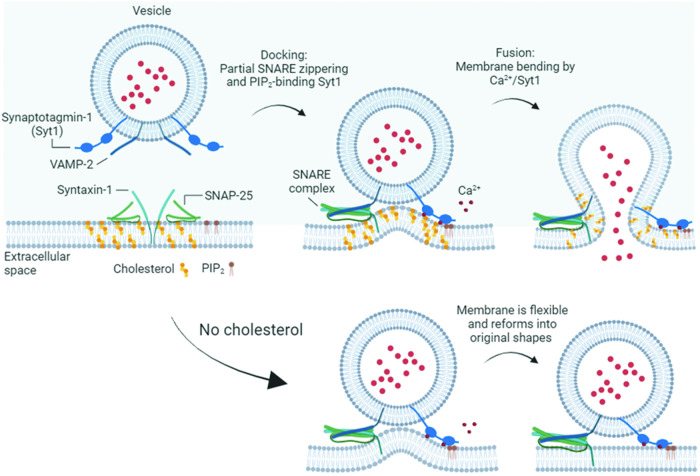
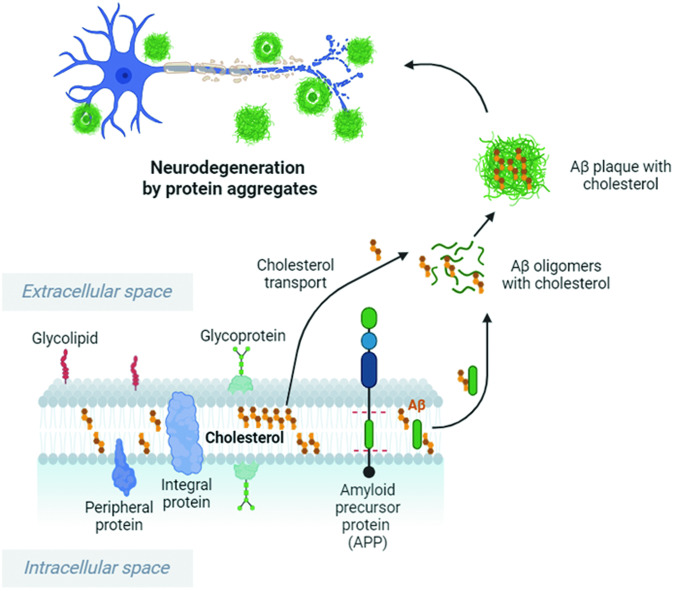
The brain contains the highest concentration of cholesterol in the human body, which emphasizes the importance of cholesterol in brain physiology. Cholesterol is involved in neurogenesis and synaptogenesis, and age-related reductions in cholesterol levels can lead to synaptic loss and impaired synaptic plasticity, which potentially contribute to neurodegeneration. The maintenance of cholesterol homeostasis in the neuronal plasma membrane is essential for normal brain function, and imbalances in cholesterol distribution are associated with various neurodegenerative disorders, including Alzheimer's disease, Parkinson's disease, and Huntington's disease. This review aims to explore the molecular and pathological mechanisms by which cholesterol imbalance can lead to neurotransmission defects and neurodegeneration, focusing on four key mechanisms: (1) synaptic dysfunction, (2) alterations in membrane structure and protein clustering, (3) oligomers of amyloid beta (Aβ) protein, and (4) α-synuclein aggregation.
© 2024. The Author(s).
Conflict of interest statement
The authors declare no competing interests.
Figures
References
-
- Dietschy, J. M. & Turley, S. D. Cholesterol metabolism in the brain. Curr. Opin. Lipidol.12, 105–112 (2001). - PubMed
-
- Bjorkhem, I. & Meaney, S. Brain cholesterol: long secret life behind a barrier. Arterioscler. Thromb. Vasc. Biol.24, 806–815 (2004). - PubMed
-
- Dietschy, J. M. & Turley, S. D. Thematic review series: brain lipids. Cholesterol metabolism in the central nervous system during early development and in the mature animal. J. Lipid Res.45, 1375–1397 (2004). - PubMed
-
- Cartocci, V., Servadio, M., Trezza, V. & Pallottini, V. Can cholesterol metabolism modulation affect brain function and behavior? J. Cell Physiol.232, 281–286 (2017). - PubMed
Publication types
MeSH terms
Substances
LinkOut - more resources
Full Text Sources
Medical
