


Hepatoprotective effects of Xiaoyao San formula on hepatic steatosis and inflammation via regulating the sex hormones metabolism
- PMID: 39086531
- PMCID: PMC11287615
- DOI: 10.4254/wjh.v16.i7.1051
Hepatoprotective effects of Xiaoyao San formula on hepatic steatosis and inflammation via regulating the sex hormones metabolism
Abstract
Background: The modified Xiaoyao San (MXS) formula is an adjuvant drug recommended by the National Health Commission of China for the treatment of liver cancer, which has the effect of preventing postoperative recurrence and metastasis of hepatocellular carcinoma and prolonging patient survival. However, the molecular mechanisms underlying that remain unclear.
Aim: To investigate the role and mechanisms of MXS in ameliorating hepatic injury, steatosis and inflammation.
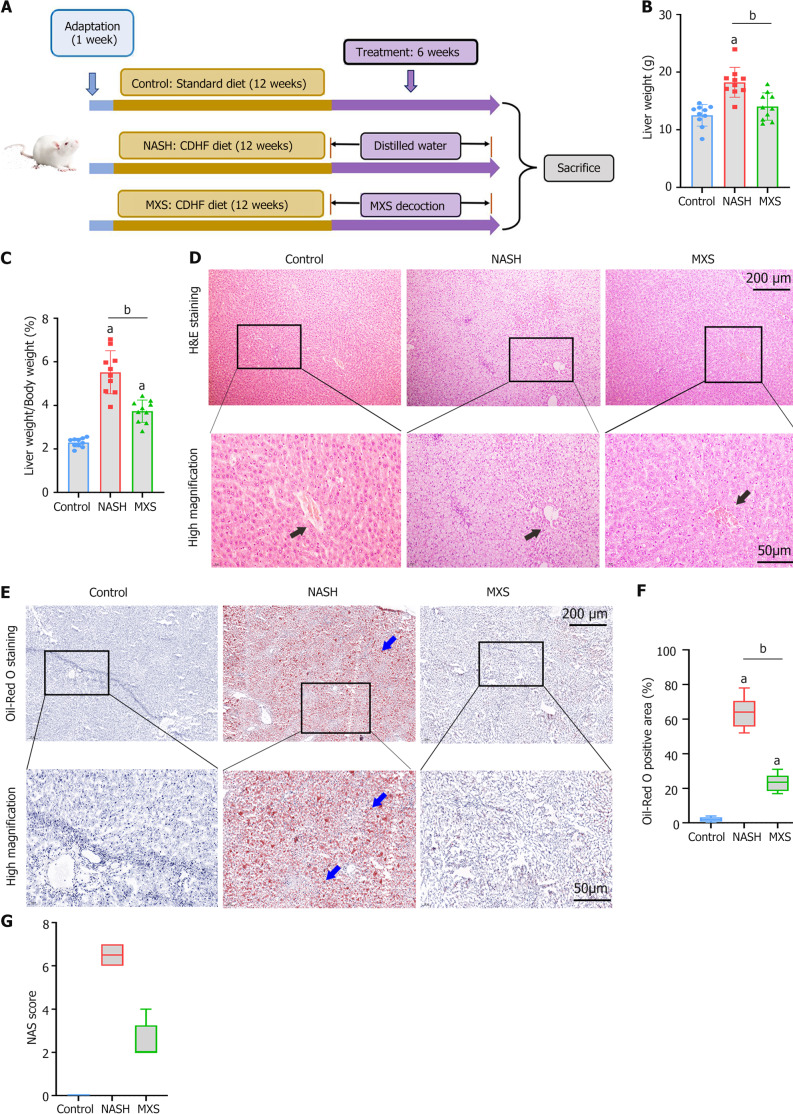
Methods: A choline-deficient/high-fat diet-induced rat nonalcoholic steatohepatitis (NASH) model was used to examine the effects of MXS on lipid accumulation in primary hepatocytes. Liver tissues were collected for western blotting and immunohistochemistry (IHC) assays. Lipid accumulation and hepatic fibrosis were detected using oil red staining and Sirius red staining. The serum samples were collected for biochemical assays and NMR-based metabonomics analysis. The inflammation/lipid metabolism-related signaling and regulators in liver tissues were also detected to reveal the molecular mechanisms of MXS against NASH.
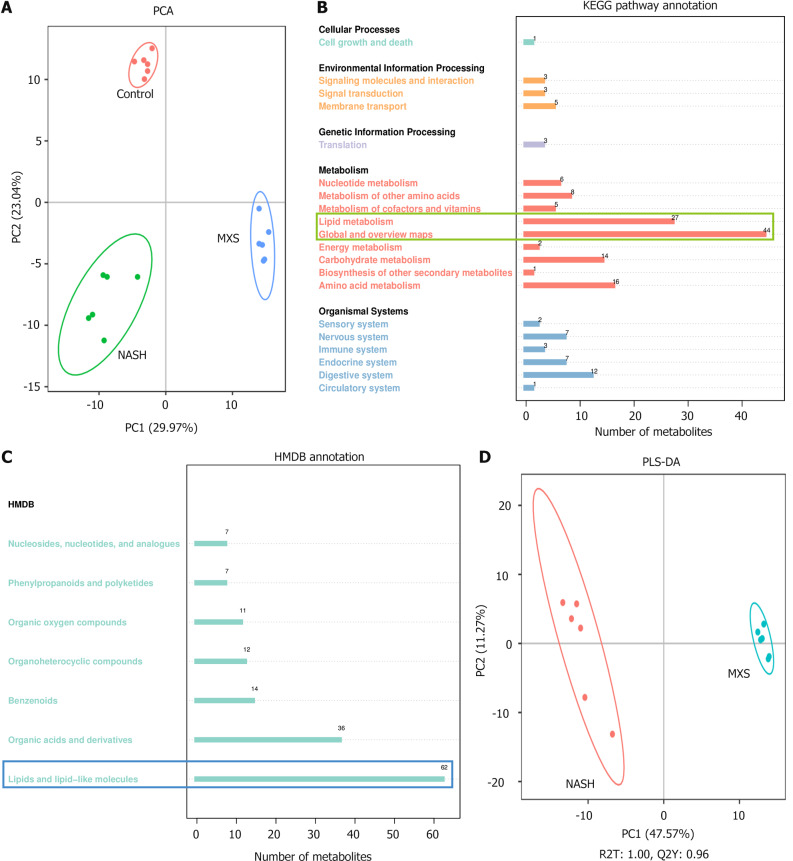
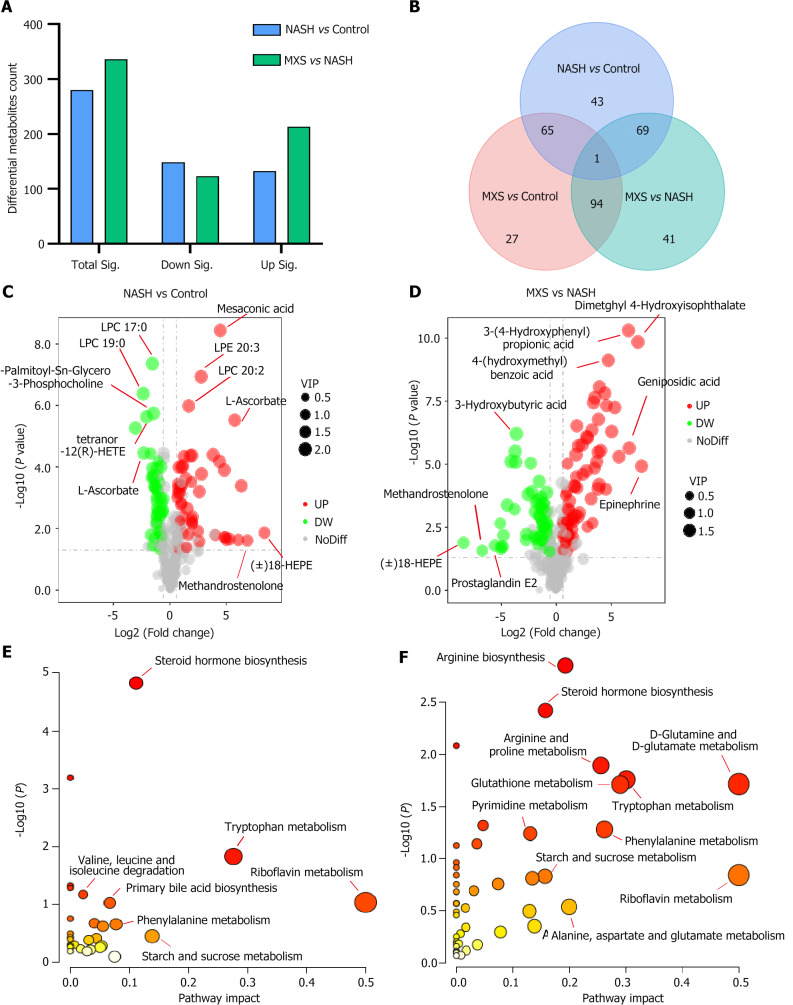
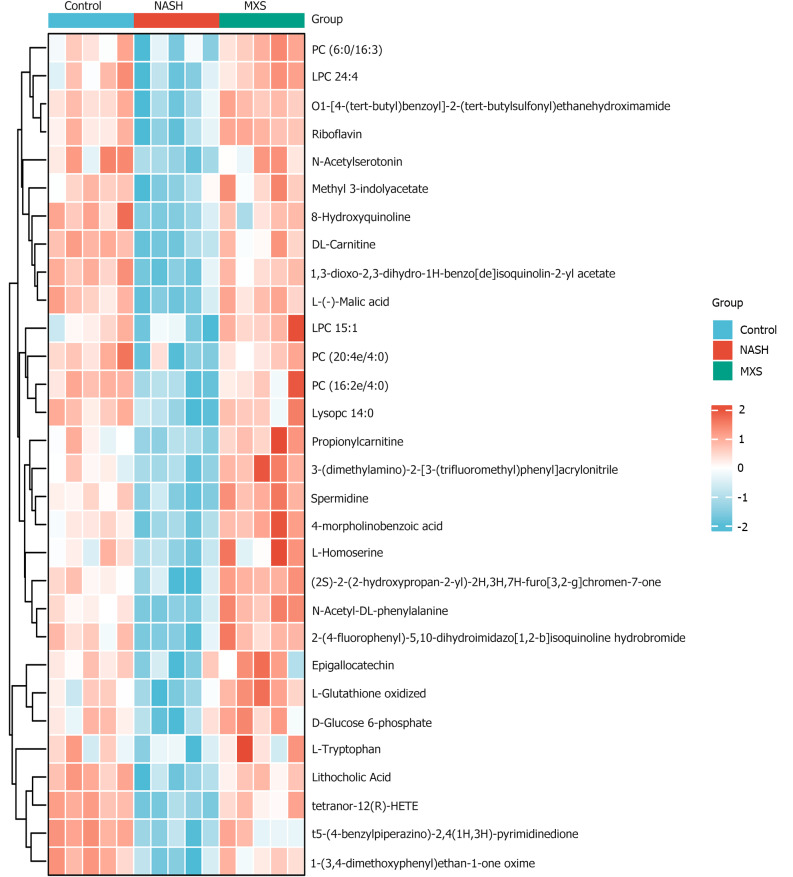
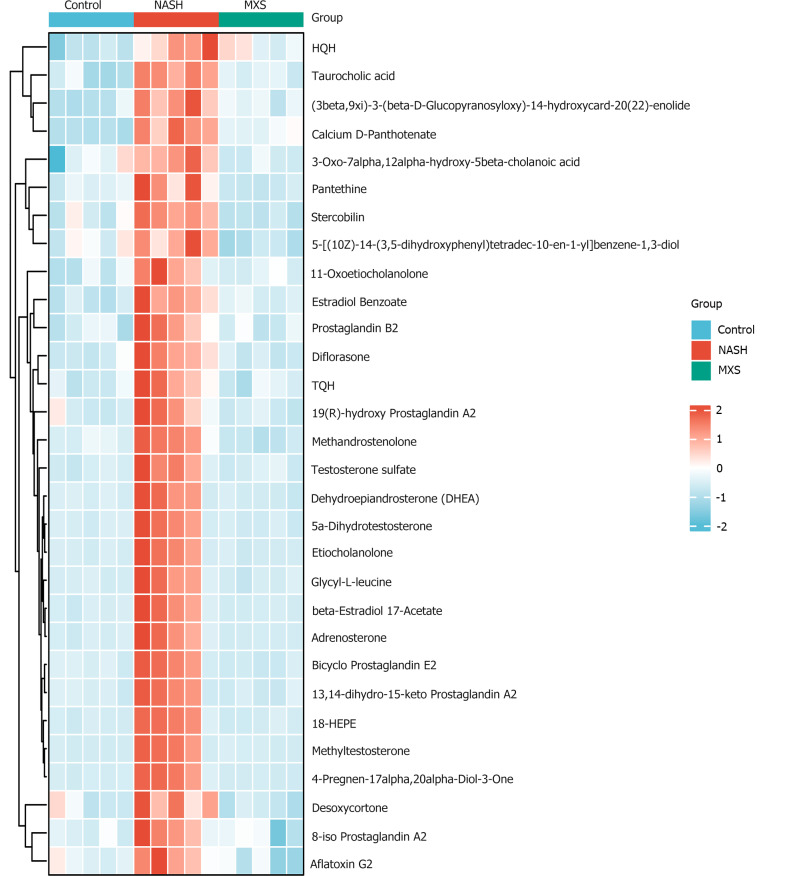
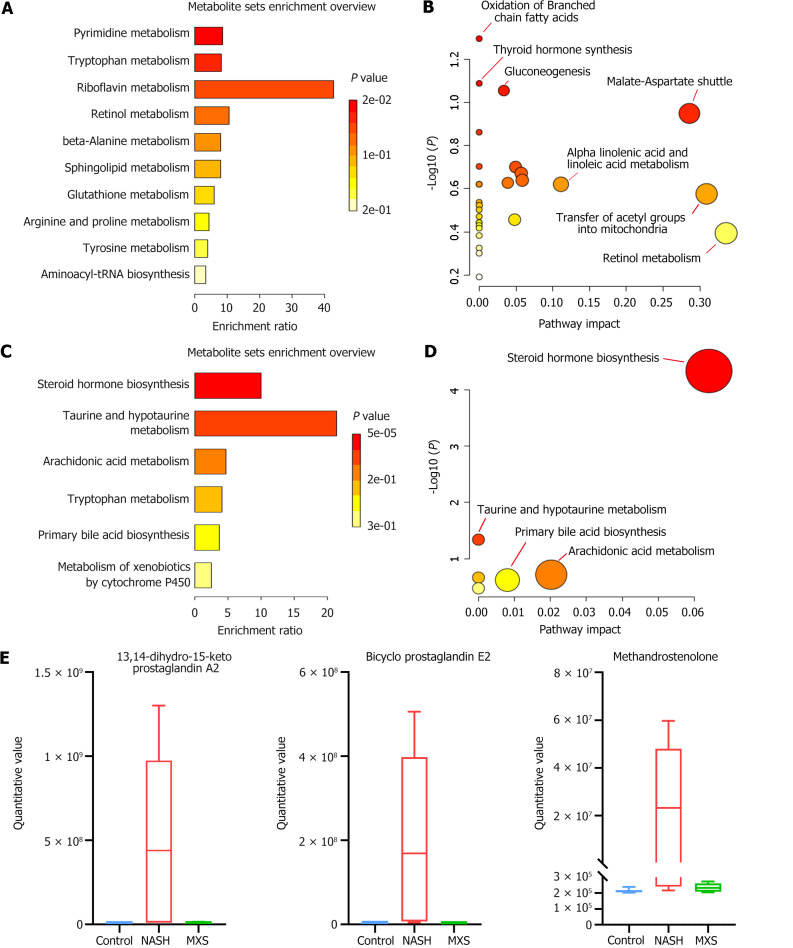
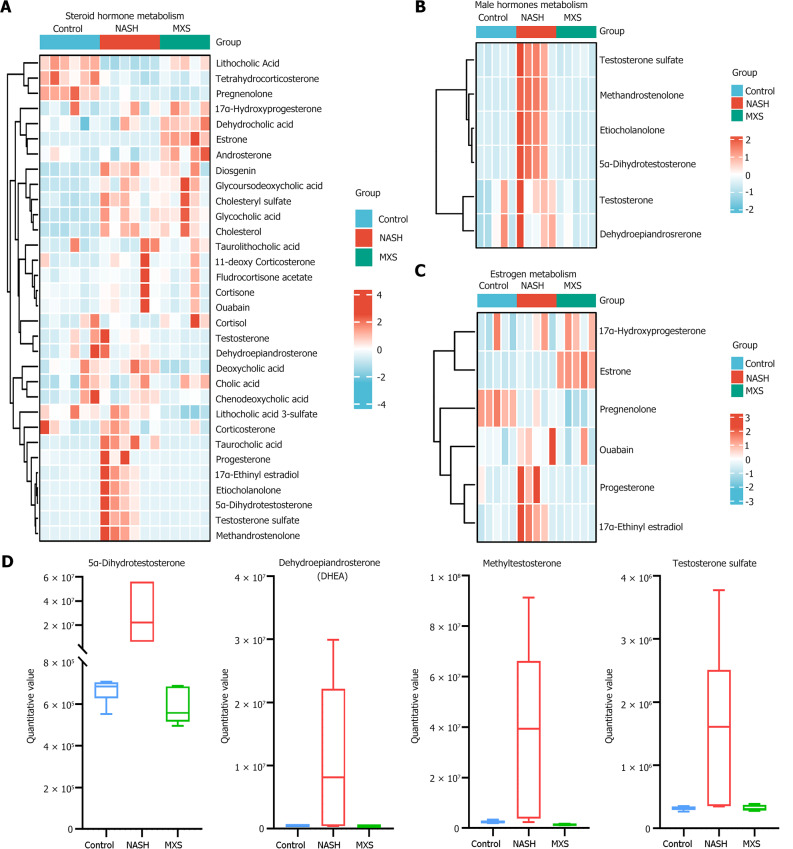
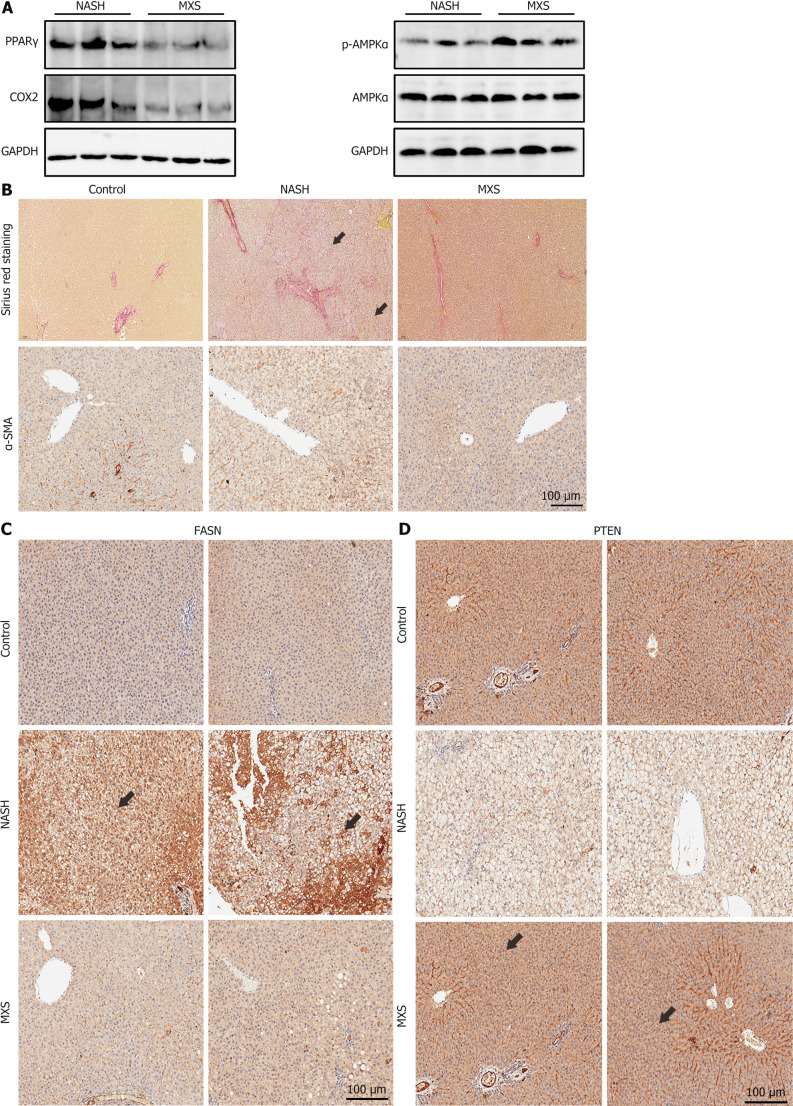
Results: MXS showed a significant decrease in lipid accumulation and inflammatory response in hepatocytes under metabolic stress. The western blotting and IHC results indicated that MXS activated AMPK pathway but inhibited the expression of key regulators related to lipid accumulation, inflammation and hepatic fibrosis in the pathogenesis of NASH. The metabonomics analysis systemically indicated that the arachidonic acid metabolism and steroid hormone synthesis are the two main target metabolic pathways for MXS to ameliorate liver inflammation and hepatic steatosis. Mechanistically, we found that MXS protected against NASH by attenuating the sex hormone-related metabolism, especially the metabolism of male hormones.
Conclusion: MXS ameliorates inflammation and hepatic steatosis of NASH by inhibiting the metabolism of male hormones. Targeting male hormone related metabolic pathways may be the potential therapeutic approach for NASH.
Keywords: Hepatic steatosis; Inflammation; Male hormone; Phosphatase and tensin homolog deleted on chromosome ten; Sex hormone metabolism.
©The Author(s) 2024. Published by Baishideng Publishing Group Inc. All rights reserved.
Conflict of interest statement
Conflict-of-interest statement: All authors have no conflicts of interest to declare.
Figures
References
-
- Tilg H, Adolph TE, Dudek M, Knolle P. Non-alcoholic fatty liver disease: the interplay between metabolism, microbes and immunity. Nat Metab. 2021;3:1596–1607. - PubMed
-
- Farrell GC, Haczeyni F, Chitturi S. Pathogenesis of NASH: How Metabolic Complications of Overnutrition Favour Lipotoxicity and Pro-Inflammatory Fatty Liver Disease. Adv Exp Med Biol. 2018;1061:19–44. - PubMed
-
- Le MH, Yeo YH, Li X, Li J, Zou B, Wu Y, Ye Q, Huang DQ, Zhao C, Zhang J, Liu C, Chang N, Xing F, Yan S, Wan ZH, Tang NSY, Mayumi M, Liu X, Liu C, Rui F, Yang H, Yang Y, Jin R, Le RHX, Xu Y, Le DM, Barnett S, Stave CD, Cheung R, Zhu Q, Nguyen MH. 2019 Global NAFLD Prevalence: A Systematic Review and Meta-analysis. Clin Gastroenterol Hepatol. 2022;20:2809–2817.e28. - PubMed
-
- Zhou J, Zhou F, Wang W, Zhang XJ, Ji YX, Zhang P, She ZG, Zhu L, Cai J, Li H. Epidemiological Features of NAFLD From 1999 to 2018 in China. Hepatology. 2020;71:1851–1864. - PubMed
-
- Lonardo A, Mantovani A, Petta S, Carraro A, Byrne CD, Targher G. Metabolic mechanisms for and treatment of NAFLD or NASH occurring after liver transplantation. Nat Rev Endocrinol. 2022;18:638–650. - PubMed
LinkOut - more resources
Full Text Sources
Research Materials
