


The Prevalence and Associated Factors of Post-COVID-19 Fatigue: A Systematic Review and Meta-Analysis
- PMID: 39092372
- PMCID: PMC11293054
- DOI: 10.7759/cureus.63656
The Prevalence and Associated Factors of Post-COVID-19 Fatigue: A Systematic Review and Meta-Analysis
Abstract
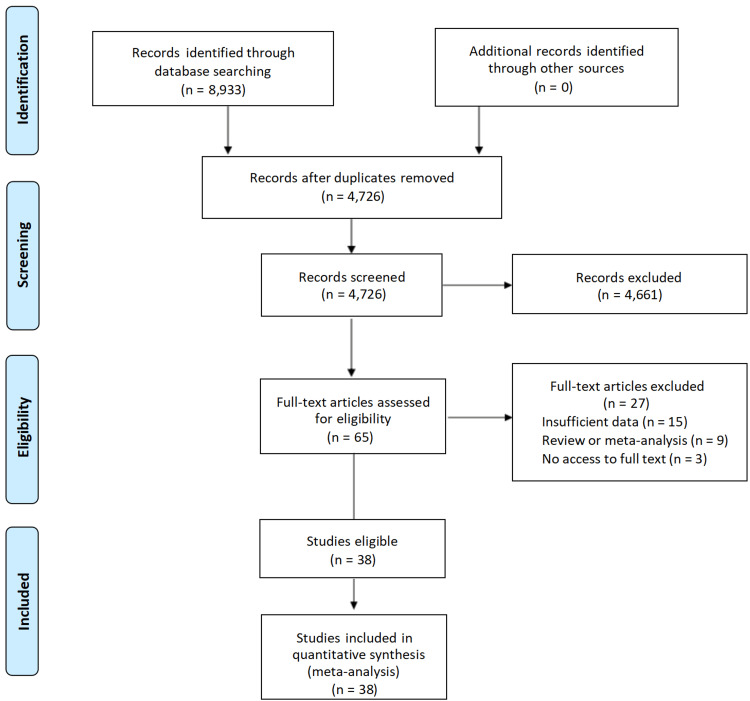
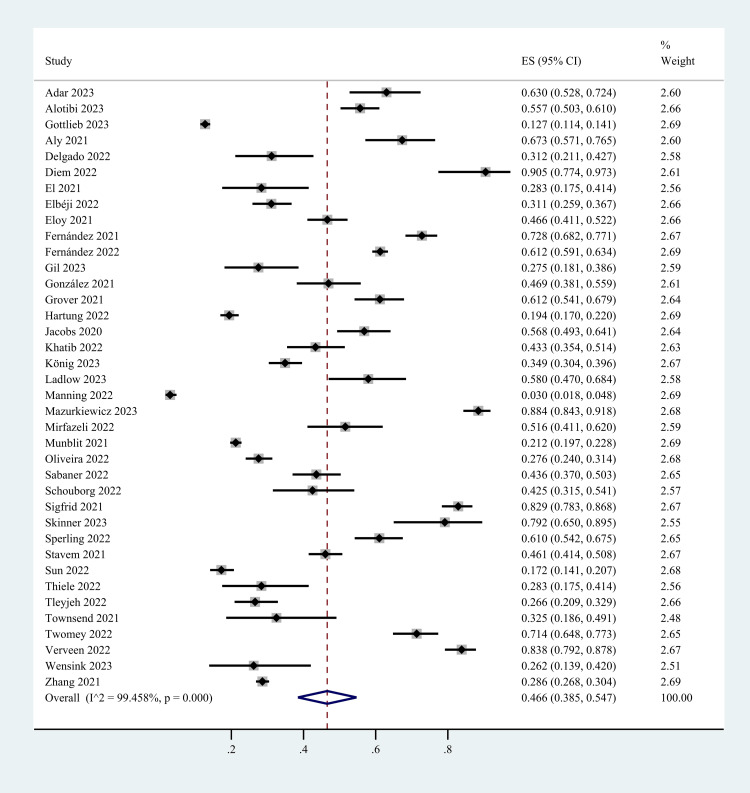
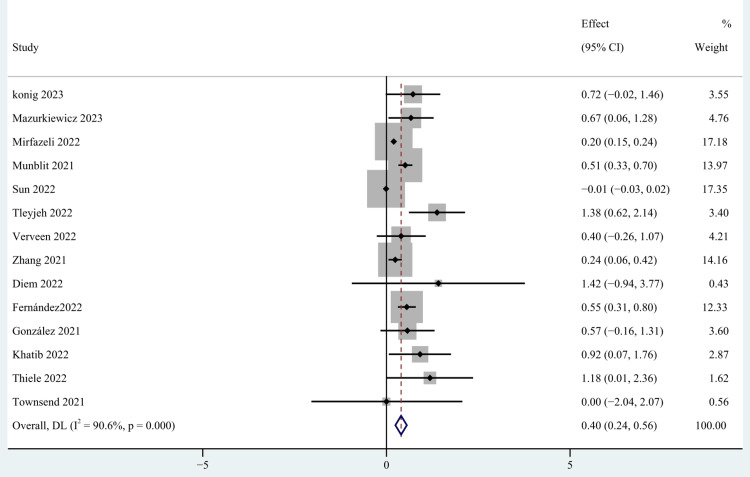
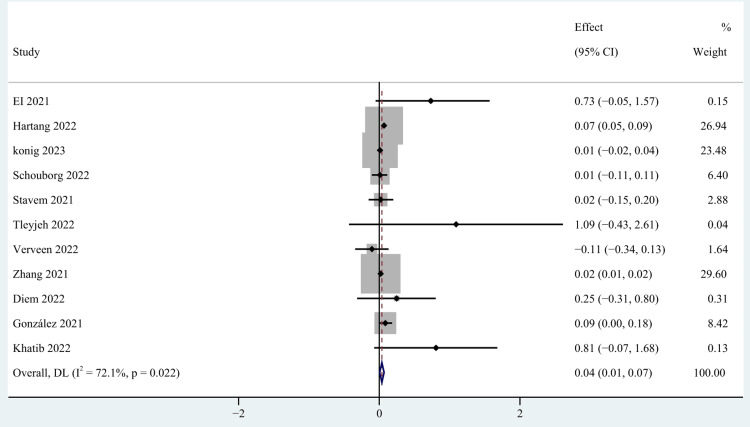
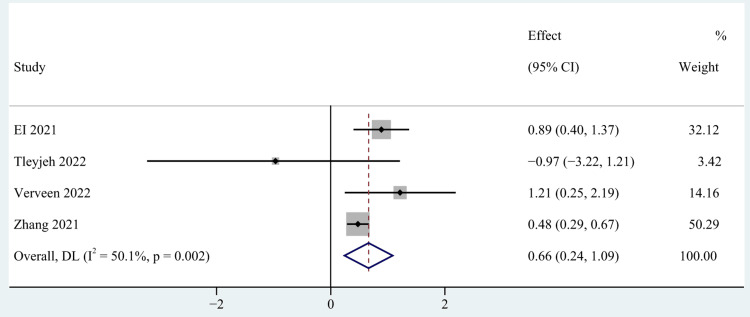
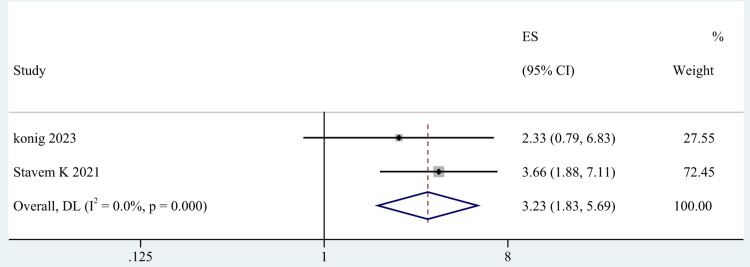
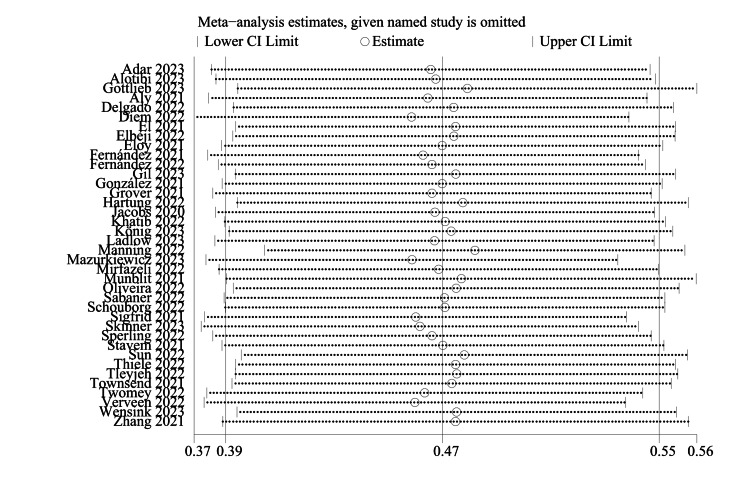
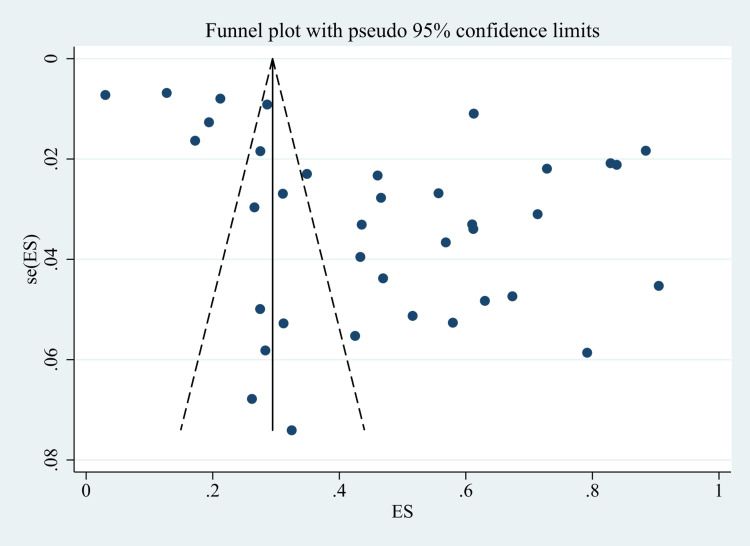
After the coronavirus disease 2019 (COVID-19) pandemic, numerous individuals experienced the enduring consequences of infection. One of the psychological symptoms that patients report most frequently is persistent fatigue, which is also called post-COVID-19 fatigue. This persistent fatigue can prolong recovery time for hospitalized patients and reduce exercise motivation for residents, affecting their health and working conditions. To determine the prevalence and associated factors, we conducted searches in PubMed, Embase, Web of Science, and Cochrane Library, from inception to 27 March 2023, and a total of 38 studies and 17,738 patients were included in this analysis. We analyzed data and estimated publication bias by Egger's test and funnel plot by STATA 14. We summarized the prevalence of post-COVID-19 fatigue and calculated the pooled OR to determine associated factors. This study revealed that the prevalence of fatigue in post-COVID-19 syndrome was 46.6% (95% CI: 38.5%-54.7%). Being female (OR: 0.40, 95% CI: 0.24-0.56), older age (OR: 0.04, 95% CI: 0.01-0.07), clinical severity (OR: 0.66, 95% CI: 0.24-1.09), the number of acute COVID symptoms (OR: 3.23, 95% CI: 1.83-5.69), preexisting hypertension (OR: 1.24, 95% CI: 1.08-1.42), lung disease (OR: 2.71, 95% CI: 1.07-6.89), and depression (OR: 1.55, 95% CI: 1.01-2.39) were risk factors for post-COVID-19 fatigue. By revealing the association of these factors with fatigue, it can help us to identify and treat post-COVID-19 fatigue early.
Keywords: covid-19; meta-analysis; post-covid-19 fatigue; prevalence; systematic review.
Copyright © 2024, Hu et al.
Conflict of interest statement
Conflicts of interest: In compliance with the ICMJE uniform disclosure form, all authors declare the following: Payment/services info: All authors have declared that no financial support was received from any organization for the submitted work. Financial relationships: All authors have declared that they have no financial relationships at present or within the previous three years with any organizations that might have an interest in the submitted work. Other relationships: All authors have declared that there are no other relationships or activities that could appear to have influenced the submitted work.
Figures
References
Publication types
LinkOut - more resources
Full Text Sources